








How to Build Winning Real Estate Agent Marketing Plans (A Step-by-Step Guide)
Trying to market your real estate business without a clear plan is like trying to build a house without a blueprint. You might get a wall up here or a window there, but you'll waste time, money, and energy on activities that don't lead to a finished product. Creating structured real estate agent marketing plans is the single most important step you can take to build a predictable, scalable business instead of constantly chasing the next commission check. It transforms your efforts from random acts of marketing into a coordinated system designed for growth.
This guide will walk you through the exact steps to build a marketing plan that works for you, whether you're a brand new agent or a seasoned pro looking to level up. We'll cover everything from defining your unique value to choosing the right tech and measuring your results. You'll leave with a clear, actionable framework to attract more clients and close more deals in 2026 and beyond.
What You'll Learn
- The Core Components: A marketing plan isn't just a to-do list. We'll break down the essential elements every successful plan must have, including your target audience, value proposition, and budget.
- A 9-Step Action Plan: Follow our detailed, step-by-step process to build your marketing plan from scratch, ensuring you cover all critical bases for sustainable growth.
- Effective Strategies & Tactics: Discover a mix of modern digital and timeless traditional agent marketing tactics you can implement immediately to generate leads and build your brand.
- Tech Stack Essentials: Learn how tools like CRMs are crucial for executing your plan and see recommendations for platforms that can automate your workflow and improve your ROI.
What Exactly Is a Real Estate Marketing Plan?
A real estate marketing plan is a strategic document that outlines your marketing goals and the specific actions you'll take to achieve them over a set period, typically a year. It's more than just a list of ideas; it's a comprehensive roadmap that defines who you want to reach, how you'll reach them, what message you'll deliver, and how you'll measure success. Think of it as your business's GPS, guiding every decision you make about advertising, branding, and lead generation.
At its core, the plan forces you to think critically about your business. Who is your ideal client. Are you targeting first-time homebuyers in a specific suburb, luxury condo sellers downtown, or investors looking for multi-family properties. A solid plan answers these questions definitively.
It also details your budget, ensuring you allocate your resources effectively instead of throwing money at the latest marketing trend without a clear purpose.
Furthermore, a well-crafted plan integrates various real estate marketing strategies into a cohesive whole. It connects your social media efforts to your email campaigns and your networking events to your website content. This integration ensures your brand message is consistent across all channels, building trust and recognition with your target audience. Without this document, your efforts will likely be disjointed, inefficient, and difficult to track.
Why Every Agent Needs a Marketing Plan (The Benefits)

Operating without a marketing plan is a common mistake, especially for new agents who are eager to start closing deals. However, this approach often leads to wasted resources and burnout. A documented plan provides the structure and clarity needed to build a long-term, successful career. The benefits are tangible and directly impact your bottom line.



First, a plan provides focus and direction. The world of real estate marketing is vast, with countless options from TikTok videos to direct mail postcards. A plan helps you cut through the noise by identifying the specific agent marketing tactics that are most likely to reach your ideal client. This focus prevents you from spreading yourself too thin and allows you to become an expert in the channels that matter most.
Second, it enables effective budget management. Marketing costs can quickly spiral out of control. A plan requires you to set a realistic budget and allocate funds to specific activities. This financial discipline allows you to track your return on investment (ROI) for each channel.
You'll know exactly which strategies are generating leads and which are draining your bank account, allowing you to optimize your spending for maximum results.
Finally, a marketing plan makes your business scalable. By documenting your strategies and measuring their performance, you create a repeatable system for growth. When you know what works, you can double down on those efforts or hire an assistant to execute the plan. This systemization is the key to moving from a solo agent working 24/7 to a business owner with predictable income and a healthy work-life balance.
The 7 Core Components of a Successful Real Estate Marketing Plan
Before you start outlining specific tactics, it's essential to understand the foundational pillars of any effective marketing plan. These components work together to create a comprehensive strategy that is aligned with your business goals. Missing any one of these can weaken your entire effort.
-
Target Audience Definition: You can't market to everyone. This section clearly defines your ideal client persona, including demographics (age, income, location), psychographics (lifestyle, values, pain points), and their real estate needs.
-
Unique Value Proposition (UVP): What makes you different from the hundreds of other agents in your market? Your UVP is a clear statement that explains the unique benefit you provide. It could be your expertise in a specific neighborhood, your tech-savvy approach, or your exceptional negotiation skills.
-
S.M.A.R.T. Goals: Your objectives must be Specific, Measurable, Achievable, Relevant, and Time-bound. Instead of a vague goal like "get more leads," a S.M.A.R.T. goal would be: "Generate 20 qualified buyer leads per month from my website within the next six months."
-
Competitive Analysis: A brief overview of your top 3-5 competitors. Analyze their strengths, weaknesses, marketing channels, and messaging. This helps you identify gaps in the market and opportunities to differentiate yourself.
-
Marketing Budget: A detailed breakdown of your expected marketing expenses. This should include costs for digital ads, software subscriptions (like your CRM), print materials, event sponsorships, and any other promotional activities.
-
Marketing Channels & Tactics: This is the "how" of your plan. It lists the specific channels you'll use (e.g., Instagram, Google Ads, email, local networking) and the tactics you'll employ on each one (e.g., video home tours, neighborhood guides, monthly newsletters).
-
Key Performance Indicators (KPIs): How will you measure success? This section defines the specific metrics you'll track for each channel. Examples include website traffic, lead conversion rate, cost per lead, and client acquisition cost.
How to Build Your Real Estate Agent Marketing Plan in 9 Steps
Building a comprehensive marketing plan doesn't have to be overwhelming. By breaking it down into manageable steps, you can create a powerful document that guides your business to success. Follow this process to build your plan from the ground up.
Step 1: Define Your Niche and Target Audience
The first and most critical step is deciding who you want to serve. Trying to be the go-to agent for everyone in your city is a recipe for failure. Instead, specialize. A niche allows you to focus your marketing message and become the recognized expert for a specific group of people or type of property.
Your niche could be based on a demographic (millennial first-time buyers), a geographic area (a specific suburb or condo building), a property type (historic homes, new construction), or a life situation (downsizing seniors, relocating families). Choose a niche that genuinely interests you and has sufficient market potential. Once you have your niche, create a detailed client persona. Give them a name, age, occupation, income, and family status.
What are their biggest fears about buying or selling. What are their goals. The clearer this picture is, the easier it will be to create marketing that resonates with them.
Step 2: Analyze Your Competition
You're not operating in a vacuum. Identify the top 3-5 agents who are already successful in your chosen niche. Don't just look at who has the most listings; look at who has the strongest brand presence. This process isn't about copying them; it's about understanding the landscape so you can find a way to stand out.
Analyze their online presence. What does their website look like. What kind of content do they post on social media, and which platforms are they most active on. Sign up for their email newsletter.
Look at their branding, their messaging, and the value they claim to offer. Note their strengths and, more importantly, their weaknesses. Is their website outdated. Is their social media engagement low.
These gaps represent your opportunities.
Step 3: Establish Your Unique Value Proposition (UVP)
Your UVP is the answer to the question: "Why should I choose you over any other agent?" It's the core of your brand and the foundation of all your marketing messages. A strong UVP is specific, memorable, and focused on a benefit that your target audience cares about.
To develop your UVP, look at the intersection of three things: what your target audience wants, what you do exceptionally well, and what your competition doesn't do. For example, if your niche is busy young professionals, and you're great with technology, your UVP might be: "I use a streamlined, all-digital process to help busy professionals buy their dream home in under 90 days, without the stress." This is much more powerful than a generic slogan like "Your trusted real estate advisor."
Step 4: Set S.M.A.R.T. Goals
Your marketing plan needs clear, measurable goals to be effective. The S.M.A.R.T. framework is the best way to set objectives that are actionable and trackable.
- Specific: Your goal should be unambiguous. Instead of "increase social media presence," use "grow my Instagram following."
- Measurable: You need to be able to track progress. "Grow my Instagram following by 500 new, local followers."
- Achievable: Your goal should be realistic given your resources and timeframe. A new agent aiming for 100 transactions in their first year is likely not achievable.
- Relevant: The goal must align with your broader business objectives. Does growing your Instagram following directly contribute to generating leads and closing deals?
- Time-bound: Set a deadline. "Grow my Instagram following by 500 new, local followers in the next 90 days."
Set goals for different areas of your business, such as lead generation, conversion rates, website traffic, and gross commission income (GCI).
Step 5: Determine Your Marketing Budget
Your marketing plan is useless without the resources to execute it. You need to establish a realistic budget based on your financial situation and business goals. There are a few common ways to approach this. Some agents allocate a percentage of their desired GCI (often 10%) to marketing.
Others use a fixed-amount method, dedicating a specific dollar amount each month.
Break your budget down into categories. How much will you spend on digital advertising (Google/Facebook ads). What about software and tools (CRM, email marketing platform). Don't forget traditional costs like printing flyers, postage for direct mail, or sponsoring a local event.
Having a detailed budget prevents overspending and helps you make informed decisions about where to invest your marketing dollars for the best return.
Pro Tip: When you're just starting out, focus your budget on lead-generation activities that have a more direct and measurable ROI, like online ads or direct mail to a targeted farm area. As your business grows and your cash flow becomes more consistent, you can allocate more funds to longer-term brand-building strategies like content marketing and community sponsorships.
Step 6: Choose Your Marketing Channels & Tactics
This is where you decide on the specific property marketing plans and strategies you'll use to reach your audience. The key is to choose channels where your ideal clients are already spending their time. Don't feel like you need to be on every platform. It's better to master one or two channels than to have a mediocre presence on five.
Your choices should be a mix of digital and traditional methods. Digital channels could include a search-engine-optimized (SEO) website, a Google Business Profile, social media platforms like Instagram or Facebook, a YouTube channel for video tours, and email marketing campaigns. Traditional channels might involve direct mail, local networking groups, hosting open houses, or even door-knocking. For each channel you choose, outline the specific tactics you'll use.
For Instagram, this might mean posting three reels, two carousel posts, and five stories per week.
Step 7: Create a Content Calendar
Consistency is the key to successful marketing. A content calendar is a simple tool, often a spreadsheet, that plans out your marketing activities on a weekly or monthly basis. It ensures you're consistently putting out valuable content and prevents the last-minute scramble of trying to figure out what to post.
Your calendar should map out your content across all your chosen channels. For example, on Monday you might post a blog about "5 Tips for First-Time Homebuyers." On Tuesday, you could create an Instagram reel summarizing tip #1. On Wednesday, you could send an email newsletter that links to the full blog post. This approach allows you to repurpose content efficiently and maintain a cohesive message.
Step 8: Select the Right Tech Stack to Execute Your Plan
A marketing plan is only as good as your ability to execute it. The right technology can automate tasks, manage leads, and provide the data you need to make smart decisions. The cornerstone of any agent's tech stack is a Customer Relationship Management (CRM) system.
A CRM is your digital command center. It helps you track all your leads, manage your client relationships, and automate your follow-up. Instead of relying on sticky notes and spreadsheets, a CRM ensures no lead falls through the cracks. Many modern CRMs also include powerful marketing automation features.
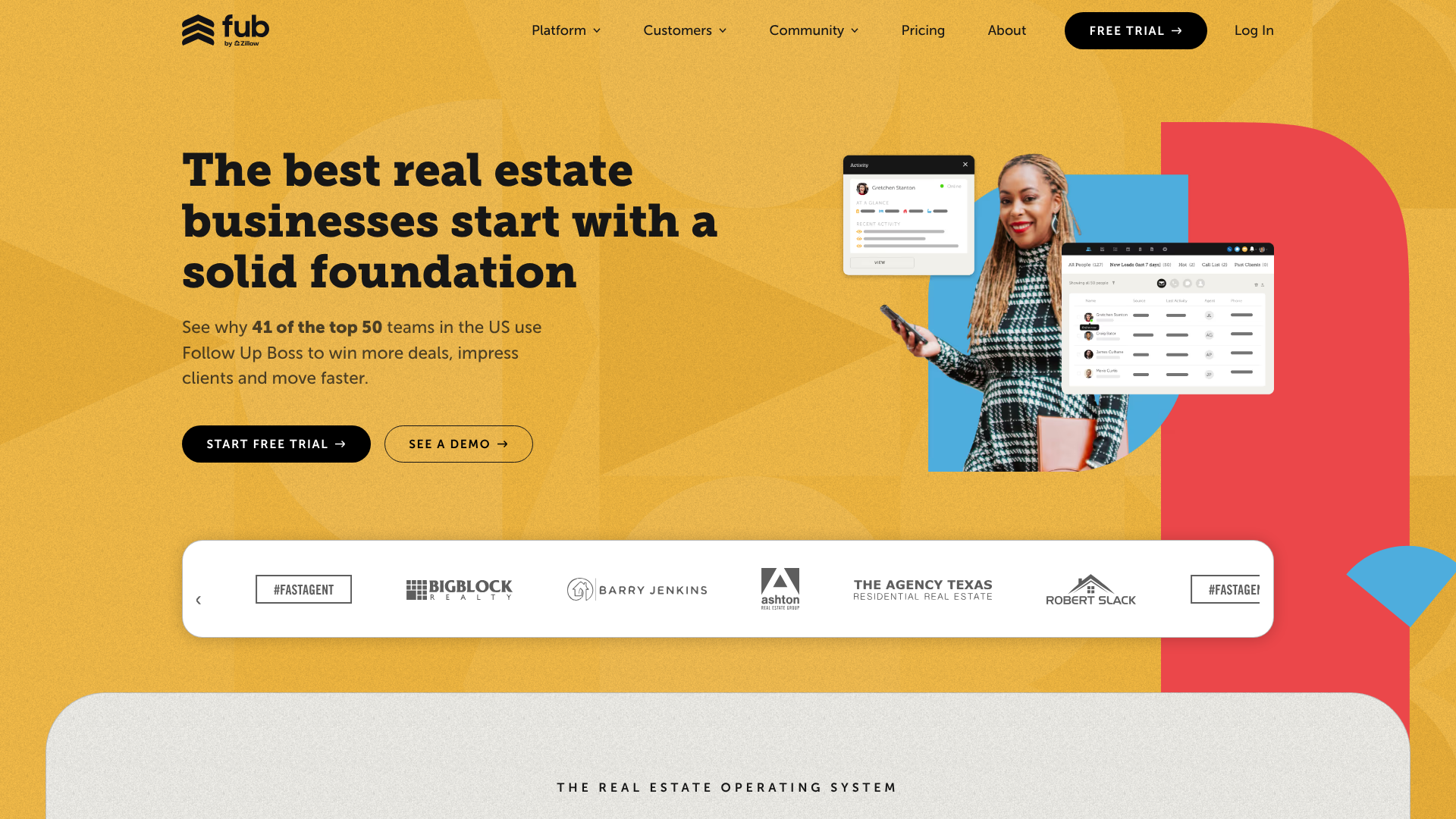
Here are a few excellent options to consider:
- Follow Up Boss: Widely regarded as one of the best CRMs for lead management and follow-up. It's especially powerful for teams, with advanced lead routing and agent accountability features. Its clean interface makes it easy to use, and it integrates with hundreds of other real estate tools.
- LionDesk: A great all-in-one solution for individual agents or small teams. LionDesk includes robust CRM features, but also has built-in tools for video email and video texting, which can significantly boost engagement. It offers a good balance of features and affordability.
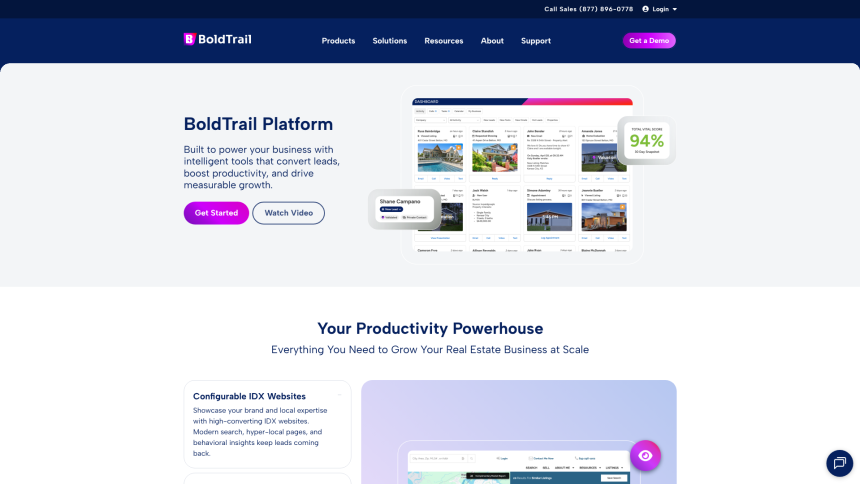
- kvCORE: This is more than just a CRM; it's a complete real estate platform. kvCORE provides agents with a customizable IDX website, lead generation tools, marketing automation, and a powerful backend CRM. It's an excellent choice for agents or brokerages looking for an integrated, all-in-one system.
Step 9: Measure, Analyze, and Adjust
Your marketing plan is not a static document. It's a living guide that should be reviewed and updated regularly. The final step is to consistently track your KPIs to understand what's working and what isn't. Set aside time each month or quarter to review your metrics.
Are you hitting your lead generation goals. What is your cost per lead from Facebook ads versus Google ads. Which email subject lines are getting the highest open rates. Use this data to make informed decisions.
If a particular channel isn't performing well, don't be afraid to shift your budget and efforts to the ones that are. This continuous cycle of measuring, analyzing, and adjusting is what separates top-producing agents from the rest.
Top Real Estate Marketing Strategies to Include in Your Plan
Once you have your foundational plan, it's time to fill it with effective strategies. A successful approach uses a blend of modern digital tactics and proven traditional methods to create a well-rounded lead generation engine.

Digital-First Agent Marketing Tactics
In today's market, a strong online presence is non-negotiable. These strategies are designed to attract, engage, and convert clients in the digital space.
- Hyper-Local SEO: Optimize your website and Google Business Profile to rank for local search terms like "real estate agent in [your neighborhood]" or "homes for sale in [your city]." Create blog posts and neighborhood guides filled with local keywords to attract organic traffic from motivated buyers and sellers.
- Video Marketing: Video is the most engaging form of content. Create short-form videos (Reels, TikToks) for property tours, market updates, and homebuyer tips. Host longer-form videos on YouTube for in-depth neighborhood tours or client testimonials.
- Social Media Marketing: Choose 1-2 platforms where your target audience is most active. Use Facebook for community groups and targeted ads. Use Instagram for visually appealing content like high-quality property photos and behind-the-scenes stories.
- Email Marketing: Build an email list and nurture it with valuable content. Send out a weekly or bi-weekly newsletter with new listings, market stats, and local events. Use automated drip campaigns to stay in touch with new leads over the long term.
Timeless Traditional Property Marketing Plans
While digital is essential, don't neglect the power of face-to-face and community-based marketing. These methods build deep trust and can generate high-quality, referral-based business.
- Geographic Farming: Become the go-to expert in a specific neighborhood. Send out consistent direct mail, like postcards with market updates or just-sold announcements. Sponsor local events or sports teams to increase your name recognition.
- Networking: Actively participate in local business groups, your Chamber of Commerce, or community organizations. Building relationships with other local professionals (like mortgage lenders, attorneys, and contractors) can be a powerful source of referrals.
- Hosting Open Houses: An open house is not just about selling one property; it's a lead generation opportunity. Use it to meet potential buyers and sellers in the neighborhood. Have a sign-in system to capture contact information for your CRM.
- Client Appreciation Events: Your past clients are your best source of future business. Host an annual event, like a pie giveaway around Thanksgiving or a summer barbecue, to show your appreciation and stay top-of-mind for referrals.
Common Pitfalls to Avoid When Creating Your Plan
Even with the best intentions, agents can make mistakes that derail their marketing efforts. Being aware of these common pitfalls can help you create a more resilient and effective plan.
- Being Too Vague: A plan with goals like "get more leads" or "post on social media" is not a plan. It's a wish list. Your plan must be filled with specific, measurable actions and deadlines.
- Ignoring Your Budget: It's easy to get excited about new marketing ideas, but if they aren't accounted for in your budget, you risk overspending and creating financial stress. Stick to your budget and track every dollar.
- Setting It and Forgetting It: A marketing plan is not a one-time task. The market changes, new platforms emerge, and your initial assumptions might be wrong. If you don't review and adjust your plan at least quarterly, it will quickly become outdated and ineffective.
- Trying to Do Everything: The fear of missing out (FOMO) can lead agents to try every new marketing tactic they hear about. This spreads your resources too thin. It's far more effective to focus on mastering a few key strategies that align with your niche and strengths.
Frequently Asked Questions
Here are answers to some common questions agents have when developing their marketing plans.
What are the 7 P's of marketing in real estate?
The 7 P's of marketing is a classic framework that applies well to real estate. They are: Product (the properties you list and your services), Price (your commission structure and the listing prices of homes), Place (the geographic areas you serve), Promotion (your advertising and marketing activities), People (you, your team, and your clients), Process (the systems you use for client transactions), and Physical Evidence (your branding, office, website, and marketing materials).
What is the 80/20 rule for realtors?
The 80/20 rule, or Pareto Principle, suggests that 80% of your results will come from 20% of your efforts. For realtors, this often means that 20% of your marketing activities will generate 80% of your qualified leads. The key is to use data and tracking to identify that critical 20%—whether it's your email newsletter, your networking group, or your Zillow profile—and focus the majority of your time and budget there.
What is a marketing plan for a real estate agent?
A marketing plan for a real estate agent is a strategic document that outlines your business goals and the specific marketing strategies and tactics you will use to achieve them. It includes your target audience, unique value proposition, budget, chosen marketing channels, and the key performance indicators (KPIs) you'll use to measure success. It's a roadmap for growing your business.
What is the 3 3 3 rule in real estate?
The 3-3-3 rule is a guideline for new agents to build their sphere of influence (SOI) and generate initial business. It typically involves three parts: 1) Every day, add 3 new people to your database. 2) Every day, have 3 meaningful conversations about real estate. 3) Every week, do 3 outreach activities, like hosting an open house, sending a video message, or meeting a contact for coffee.
It's a simple framework for building consistent habits.
Final Thoughts: Your Blueprint for Success
Creating a comprehensive real estate agent marketing plan is the most powerful investment you can make in your career. It provides the clarity, focus, and accountability needed to navigate a competitive industry and build a business that not only survives but thrives. By following the steps outlined in this guide, you can move from reactive, inconsistent marketing to a proactive, systematic approach that generates a predictable stream of clients.
Remember, your plan is a dynamic tool. Revisit it, refine it, and adapt it as your business evolves and the market shifts. The strategies you choose will depend on your unique strengths and target audience, but the principles of planning, executing, and measuring remain constant. Start building your blueprint today and take control of your business's future.
If you're looking for the right technology to power your new marketing plan, exploring a robust CRM is your best next step. Platforms like Follow Up Boss for team-based lead management or LionDesk for its all-in-one features can provide the engine you need to execute your strategies effectively.