









How to Become a Real Estate Agent: A Beginner's Step-by-Step Guide
Thinking about a career with unlimited income potential, a flexible schedule, and the satisfaction of helping people make one of the biggest decisions of their lives? A career in real estate offers all of this and more. But figuring out how to become a real estate agent can feel overwhelming, with state-specific rules, exams to pass, and business costs to consider. It’s a path that requires dedication and a clear plan.
This guide breaks down the entire process into simple, manageable steps. We'll walk you through everything from the initial requirements and educational courses to passing your exam and launching a successful career. Whether you're looking for a full-time profession or a flexible side hustle, this is your roadmap to getting licensed and closing your first deal.
What You'll Learn
- State-Specific Requirements: Every state has different rules. The first step is always to understand your local requirements for age, education, and legal residency before you begin.
- The Licensing Process: Becoming a licensed agent involves a clear sequence: completing pre-licensing education, passing the state exam, and undergoing a background check.
- Choosing a Brokerage is Crucial: As a new agent, you must work under a sponsoring broker. Selecting one with strong training, mentorship, and a fair commission structure is vital for your early success.
- Costs Can Vary: Expect to invest between $500 and $2,000 to get started. This covers course fees, exam applications, licensing, and initial association dues.
- Success Requires More Than a License: Getting licensed is just the beginning. Long-term success depends on lead generation, client management, and using the right technology to streamline your business.
Understanding the Role: What Does a Real Estate Agent Actually Do?
Before diving into the licensing process, it’s important to understand what the day-to-day life of a real estate agent looks like. It’s far more than just showing beautiful houses. A real estate agent is a licensed professional who represents buyers and sellers in real estate transactions. They are part-guide, part-negotiator, part-marketer, and part-therapist.
On any given day, an agent might be:
- Generating Leads: Finding new clients through networking, marketing, social media, and open houses.
- Working with Buyers: Understanding their needs, finding suitable properties, scheduling viewings, and guiding them through the offer process.
- Working with Sellers: Conducting market analysis to price homes correctly, marketing properties, hosting open houses, and negotiating offers.
- Managing Paperwork: Drafting contracts, disclosures, and other legal documents required for a transaction.
- Coordinating with Professionals: Working with mortgage lenders, home inspectors, appraisers, and attorneys to ensure a smooth closing.
It’s a dynamic career that demands strong communication skills, self-discipline, and a genuine desire to help people. You are essentially running your own small business under the umbrella of a brokerage.
The Allure of Real Estate: Key Benefits of Becoming an Agent
People are drawn to real estate for many reasons, and the benefits can be substantial for those who are willing to put in the work. While the first year can be challenging, the long-term rewards make it a highly attractive career path.
One of the most significant benefits is the unlimited income potential. Unlike a salaried job, your income is directly tied to your efforts. The more deals you close, the more you earn. This commission-based structure provides a powerful incentive for hard work and smart business practices.
Another major draw is flexibility and autonomy. As a real estate agent, you are your own boss. You set your own hours, decide how to run your business, and choose which clients to work with. This is ideal for self-starters who thrive without the constraints of a traditional 9-to-5 job.



However, this freedom requires immense self-discipline, as you're also responsible for your own success.
Finally, there is the personal satisfaction of guiding clients through a major life event. Buying or selling a home is often an emotional and stressful process. A great agent provides expert advice, calm reassurance, and skilled negotiation to help their clients achieve their goals. This creates lasting relationships and a strong sense_of purpose.

The Step-by-Step Path to Your Real Estate License
Becoming a real estate agent is a structured process governed by your state's real estate commission. While the specifics vary, the core steps are generally the same across the country. Here is the fundamental path you'll need to follow.
Step 1: Meet the Basic Real Estate Agent Requirements
Before you can even sign up for a course, you must meet your state's baseline qualifications. These are non-negotiable and serve as the entry gate to the profession. You can find the exact requirements on your state's real estate commission website.
Generally, you must:
- Be of Legal Age: Most states require you to be at least 18 or 19 years old.
- Have Legal Residency: You must be a legal U.S. resident and, in many cases, a resident of the state where you are applying for a license.
- Hold a High School Diploma or GED: A basic level of education is required to ensure you can handle the coursework and legal complexities of the job. According to the U.S. Bureau of Labor Statistics, a high school diploma is the typical entry-level education for this field.
These requirements ensure that all licensed agents have a foundational level of maturity and education before they begin handling complex financial transactions for clients.
Step 2: Complete Your Pre-Licensing Education
This is the most time-intensive part of the process. Every state requires aspiring agents to complete a certain number of hours of approved real estate education. The required hours can range significantly, from as little as 40 hours in some states to over 150 hours in others.
These courses cover essential topics, including:
- Real estate principles and practices
- Real estate law and ethics
- Contracts and agency relationships
- Real estate finance
- Property valuation
You can typically choose between in-person classes at a local real estate school or online courses that offer more flexibility. As one user on a Facebook real estate group asked, finding the right school is important. Consider factors like pass rates, instructor support, and course materials when making your choice. Online courses are great for those with busy schedules, but some people learn better in a structured classroom environment.
Step 3: Pass the State Real Estate Exam
Once you've completed your coursework, the next hurdle is the state licensing exam. This exam is designed to test your knowledge of both national real estate principles and your state's specific laws and regulations. It's typically divided into two sections: a national portion and a state-specific portion.
You'll need to score a minimum percentage on both sections to pass (usually around 70-75%). Don't underestimate this test. Many people need more than one attempt to pass. Use exam prep courses, practice tests, and study guides to give yourself the best possible chance of success on your first try.
Pro Tip: Schedule your exam as soon as possible after finishing your coursework. The information will be fresh in your mind, which can significantly increase your chances of passing. Don't wait several weeks or months, as you may forget key concepts.
Step 4: Undergo a Background Check
Because real estate agents handle sensitive financial information and operate in a position of trust, all states require a criminal background check. This process typically involves submitting your fingerprints to the state and FBI.
Certain felonies, especially those related to fraud or moral turpitude, can disqualify you from receiving a license. If you have a criminal record, it's wise to check with your state's real estate commission about their policies before you invest time and money into courses.
Step 5: Activate Your License and Join a Brokerage
After passing your exam and background check, you'll submit your final application and fees to the state. Once approved, your license will be issued. However, you can't start practicing just yet. As a new sales agent, you must work under the supervision of a licensed real estate broker.
This is one of the most critical decisions you'll make in your early career. Your sponsoring brokerage will hold your license, provide you with resources, and oversee your transactions. When choosing a brokerage, look for:
- Training and Mentorship: Does the brokerage offer a strong training program for new agents?
- Commission Splits: Understand how commissions are divided between you and the brokerage.
- Company Culture: Find a supportive environment where you feel you can thrive.
- Technology and Resources: What tools (like a CRM, marketing materials, etc.) does the brokerage provide?
Interview at least three different brokerages to find the best fit for your goals and working style.
How to Be a Realtor: The Difference and Why It Matters
Many people use the terms "real estate agent" and "Realtor" interchangeably, but they are not the same thing. A real estate agent is anyone who has earned a state license to practice real estate. A Realtor, on the other hand, is a licensed agent who is also a member of the National Association of Realtors (NAR).
To become a Realtor, you must join your local NAR-affiliated association. Membership requires you to subscribe to the Realtor Code of Ethics, a strict set of 17 articles that governs professional conduct and standards of practice. This code goes beyond what state law requires and holds members to a higher standard of professionalism.
While not mandatory, becoming a Realtor offers significant benefits. It provides access to valuable resources, including market data, educational opportunities, and the Multiple Listing Service (MLS), which is the primary database of properties for sale. Most brokerages require their agents to become Realtors.
The Financial Investment: How Much Does It Cost to Become a Real Estate Agent?
Budgeting for your new career is essential. While real estate doesn't require the massive startup capital of many other businesses, there are initial costs you need to plan for. The total investment to get your license and start your business typically ranges from $500 to over $2,000, depending on your state and the choices you make.
Here's a breakdown of the common expenses:
| Expense Category | Estimated Cost Range | Description |
|---|---|---|
| Pre-Licensing Course | $200 – $900 | Varies based on online vs. in-person and the school's reputation. |
| Exam Application Fee | $50 – $100 | The fee to register and sit for the state licensing exam. |
| License Application Fee | $100 – $250 | The fee paid to the state to issue your official license. |
| Background Check/Fingerprinting | $40 – $100 | The cost for processing your criminal background check. |
| Association/MLS Dues | $400 – $700+ (annual) | Fees to join the local Realtor association and access the MLS. |
| Initial Business Expenses | $200 – $1,000+ | Includes business cards, signs, lockboxes, and marketing materials. |
Remember that most agents are independent contractors, so you'll also need to budget for ongoing expenses like marketing, vehicle costs, and technology subscriptions. It's wise to have at least 3-6 months of living expenses saved up, as it can take time to close your first deal and earn your first commission check.

Weighing Your Options: The Pros and Cons of a Real Estate Career
Like any profession, a career in real estate has its upsides and downsides. It's important to go in with a realistic perspective. The lifestyle portrayed on reality TV shows is rarely the norm, especially in the beginning.
The Advantages of Being a Real Estate Agent
- Control Over Your Business: You have the freedom to build a business that reflects your values and goals.
- Direct Correlation Between Effort and Reward: Your hard work directly impacts your income, offering a powerful sense of accomplishment.
- Helping People: You play a key role in one of the most significant moments in your clients' lives.
- Dynamic Work Environment: Every day is different, and you're constantly meeting new people and seeing new places.
The Challenges and Realities to Consider
- Irregular Income: Commission-based income can be unpredictable, especially in your first year. There will be high and low months.
- Long Hours: Flexibility doesn't mean working less. Agents often work nights and weekends to accommodate clients' schedules.
- High Failure Rate: A significant number of new agents leave the industry within the first few years, often due to a lack of preparation or unrealistic expectations.
- Emotional Stress: You're dealing with high-stakes transactions and emotional clients, which can be draining.
Setting Yourself Up for Success: Tools and Strategies for New Agents
Getting your license is just the entry ticket. Thriving as a real estate agent requires building a solid business foundation from day one. This means mastering marketing, lead generation, and client management with the help of modern technology.
Building Your Brand and Marketing Yourself
In a competitive market, you need to stand out. Your brand is your reputation—it's what people think of when they hear your name. Start by creating a professional headshot, designing clean business cards, and setting up social media profiles dedicated to your real estate business. Share valuable content about the local market, homeownership tips, and community events to establish yourself as a local expert.
Mastering Lead Generation and Client Management
Your most important job as a new agent is finding clients. This is called lead generation. In the beginning, your primary source of leads will be your sphere of influence (SOI)—friends, family, and acquaintances. Let everyone know you're in the business.
As leads start coming in, managing them effectively is critical. A simple spreadsheet won't cut it for long. This is where a Customer Relationship Management (CRM) system becomes your most valuable tool. Platforms like Follow Up Boss and LionDesk are designed specifically for agents to track conversations, schedule follow-ups, and nurture relationships from initial contact to closing and beyond.
Streamlining Transactions and Paperwork
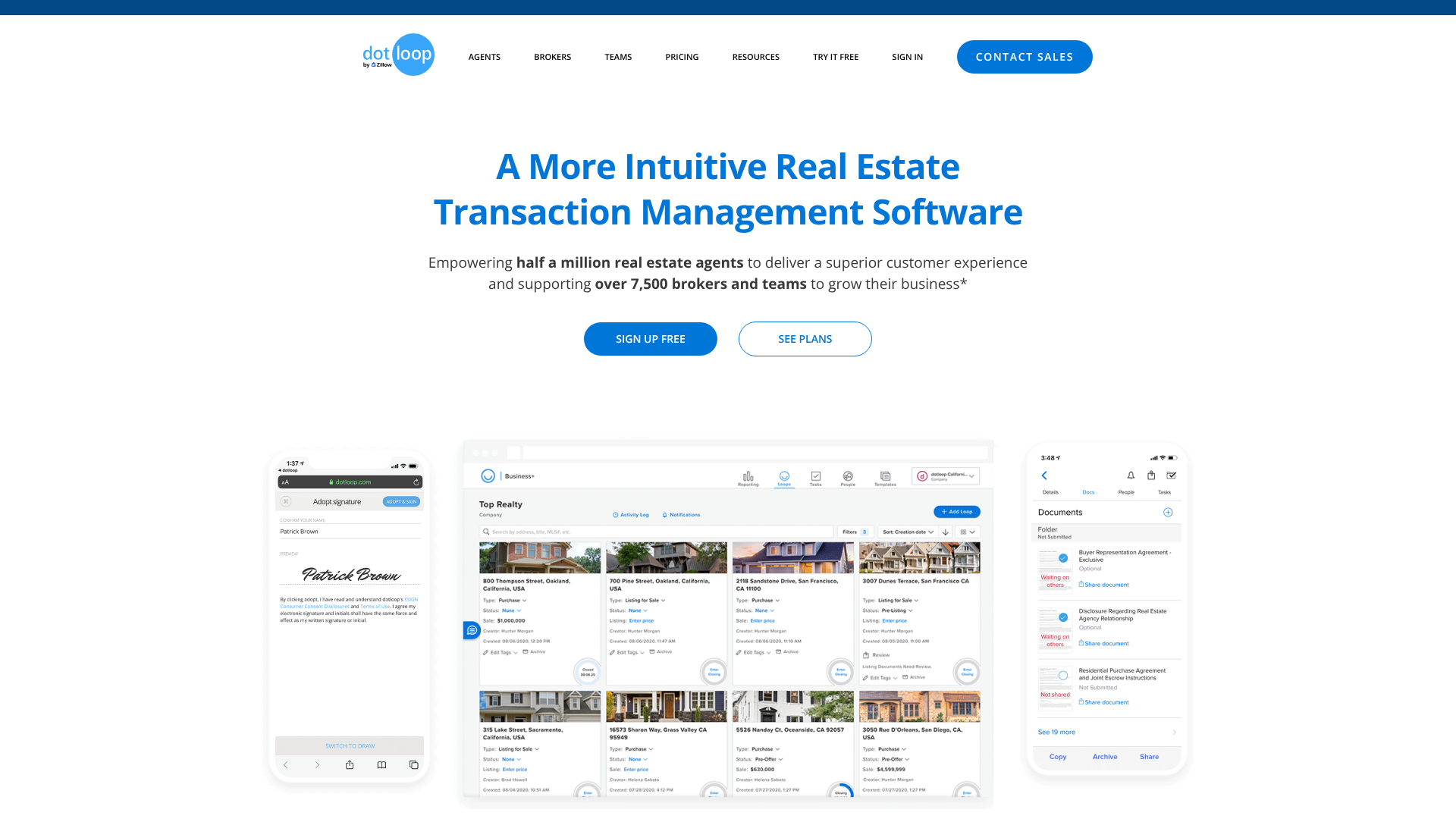
Real estate transactions involve a mountain of paperwork. Contracts, addendums, disclosures—it can be overwhelming. Modern agents use transaction management software to keep everything organized, secure, and compliant. These tools allow for digital signatures and create a central hub for all documents related to a deal.
A popular solution in the industry is Dotloop, which helps agents manage the entire transaction process online. Using a tool like this not only saves time but also provides a better, more professional experience for your clients.
Pro Tip: Don't try to do everything yourself. Find a mentor—an experienced agent in your office—who can answer your questions and guide you through your first few transactions. Their advice can be invaluable and help you avoid common rookie mistakes.
Frequently Asked Questions About Becoming a Real Estate Agent
Here are answers to some of the most common questions people have when considering a career in real estate.
Is it difficult to be a real estate agent?
Yes, it can be very difficult, but it's also very rewarding. The difficulty doesn't come from the coursework or the exam—most dedicated students can pass those. The real challenge lies in the entrepreneurial nature of the job. You have to be self-motivated to find clients, disciplined enough to manage your time, and resilient enough to handle rejection and deals that fall through.
The high failure rate for new agents is a testament to these challenges.
How much would a real estate agent make on a $300,000 house?
This depends on the commission rate and the agent's split with their brokerage. Let's assume a total commission of 6%, which is $18,000 on a $300,000 house. This is typically split between the buyer's agent and the seller's agent, so each side gets 3% ($9,000). From that $9,000, the agent then has to pay their brokerage.
If the agent is on a 60/40 split, they would keep 60% of the $9,000, which is $5,400 (before taxes and business expenses).
How many realtors fail in the first year?
Industry statistics vary, but it's widely cited that a large percentage of new agents don't last long in the business. Some reports suggest that as many as 87% of new agents quit within five years. The primary reasons for this are often unrealistic expectations about income, a lack of leads, and insufficient savings to get through the slow initial period before commissions start coming in.
Is real estate a good side hustle?
It can be, but it's challenging. Many people get their license with the intention of working part-time. However, real estate demands a high level of availability. You need to be able to show properties, answer client calls, and attend inspections, often during traditional work hours.
It's more feasible if your full-time job offers significant flexibility. As one Reddit user in r/RealEstate discussed, managing a full-time job, a baby, and a new real estate career requires incredible time management and a strong support system.
Is 30 too late to become a real estate agent?
Absolutely not. In fact, many people start successful real estate careers in their 30s, 40s, 50s, and beyond. Life experience is a huge asset in this industry. Older agents often have larger professional networks, a better understanding of finance, and more credibility with clients who are making major financial decisions.
There is no age limit to success in real estate.
Final Thoughts: Is a Career in Real Estate Right for You?
Becoming a real estate agent is a journey that requires a significant investment of time, money, and effort. It's not a get-rich-quick scheme; it's a business you build from the ground up. The path involves meeting state requirements, dedicating yourself to education, passing a rigorous exam, and finding the right brokerage to support your growth.
Success in this field is for the self-starters, the networkers, and the problem-solvers who are passionate about helping others. If you're ready to take control of your career and are prepared for the challenges ahead, real estate can offer a level of financial freedom and personal fulfillment that few other professions can match.
As you begin building your business, remember that leveraging the right technology can set you apart. Exploring powerful CRMs like Follow Up Boss or transaction management systems like Dotloop can help you stay organized, efficient, and focused on what matters most: serving your clients and closing deals.