








10 Proven Real Estate Agent Marketing Strategies for Lasting Growth
Standing out in a competitive market requires more than just a license and a list of properties. Effective real estate agent marketing strategies are the foundation of a successful career, helping you attract qualified leads, build a memorable brand, and close more deals. The key isn't just knowing what to do, but understanding how to integrate different tactics into a cohesive plan that works for you and your target market.
This guide breaks down ten essential strategies that top agents use to build and sustain their business. From mastering your digital presence to perfecting the art of the open house, these methods provide a clear roadmap. We'll cover how to build a brand that resonates, create content that converts, and use data to make smarter marketing decisions for long-term growth.
What to Know
- Build a Strong Personal Brand: Your brand is your reputation. It's how clients perceive you and what makes you different from other agents. A strong brand builds trust and attracts your ideal clients.
- Master Digital Marketing: A professional website with strong SEO, an active social media presence, and strategic email campaigns are no longer optional. These are the primary channels where modern clients find and vet agents.
- Content is Your Currency: High-quality photos, compelling property descriptions, and valuable blog content (like neighborhood guides) establish your expertise and engage potential buyers and sellers.
- Combine Digital and Traditional Methods: While digital is key, don't neglect the power of in-person networking, community involvement, and well-executed open houses. A hybrid approach often yields the best results.
1. Build a Powerful Personal Brand as a Real Estate Agent
Before you market a single property, you need to market yourself. Your personal brand is the combination of your reputation, expertise, and personality that makes you the go-to agent in your area. It’s the reason a client chooses you over the dozens of other agents they could work with. Building a brand is the most critical of all property marketing strategies because it creates a foundation of trust.
First, define your niche and unique value proposition. Are you the expert in first-time homebuyers, luxury waterfront properties, or historic downtown homes. Specializing makes your marketing more targeted and effective. Your value proposition is what you promise to deliver.
Is it unparalleled local knowledge, exceptional negotiation skills, or a tech-savvy, streamlined process. Clearly state this in your marketing materials.
Next, create a consistent visual identity. This includes a professional headshot, a logo, and a consistent color scheme used across your website, social media profiles, business cards, and signage. Consistency makes your brand recognizable and professional. Your brand voice should also be consistent, whether it's friendly and approachable or sophisticated and formal.
This voice should reflect your personality and appeal to your target clientele.
2. Implement SEO Techniques for Your Real Estate Website
Your website is your digital storefront, and Search Engine Optimization (SEO) is how you ensure clients can find it. A well-optimized website can become a 24/7 lead generation machine, attracting buyers and sellers actively searching for properties and agents in your area. The goal is to appear on the first page of Google for relevant local searches.



Local SEO is your top priority. Start by creating and optimizing your Google Business Profile (GBP). Fill out every section completely with accurate information, including your service areas, hours, and phone number. Encourage satisfied clients to leave reviews, as positive reviews significantly boost your local ranking.
Consistently post updates, photos, and answer questions on your GBP to signal to Google that your profile is active and relevant.
On-page SEO involves optimizing the content on your website. Every page should target specific keywords. Think like a client: what would they search for. Examples include "realtor in [Your City]," "homes for sale in [Neighborhood]," or "how to sell my house in [Your State]." Create dedicated pages or blog posts for the neighborhoods you serve.
These hyper-local pages, filled with information about schools, amenities, and market trends, are highly valuable to both users and search engines.
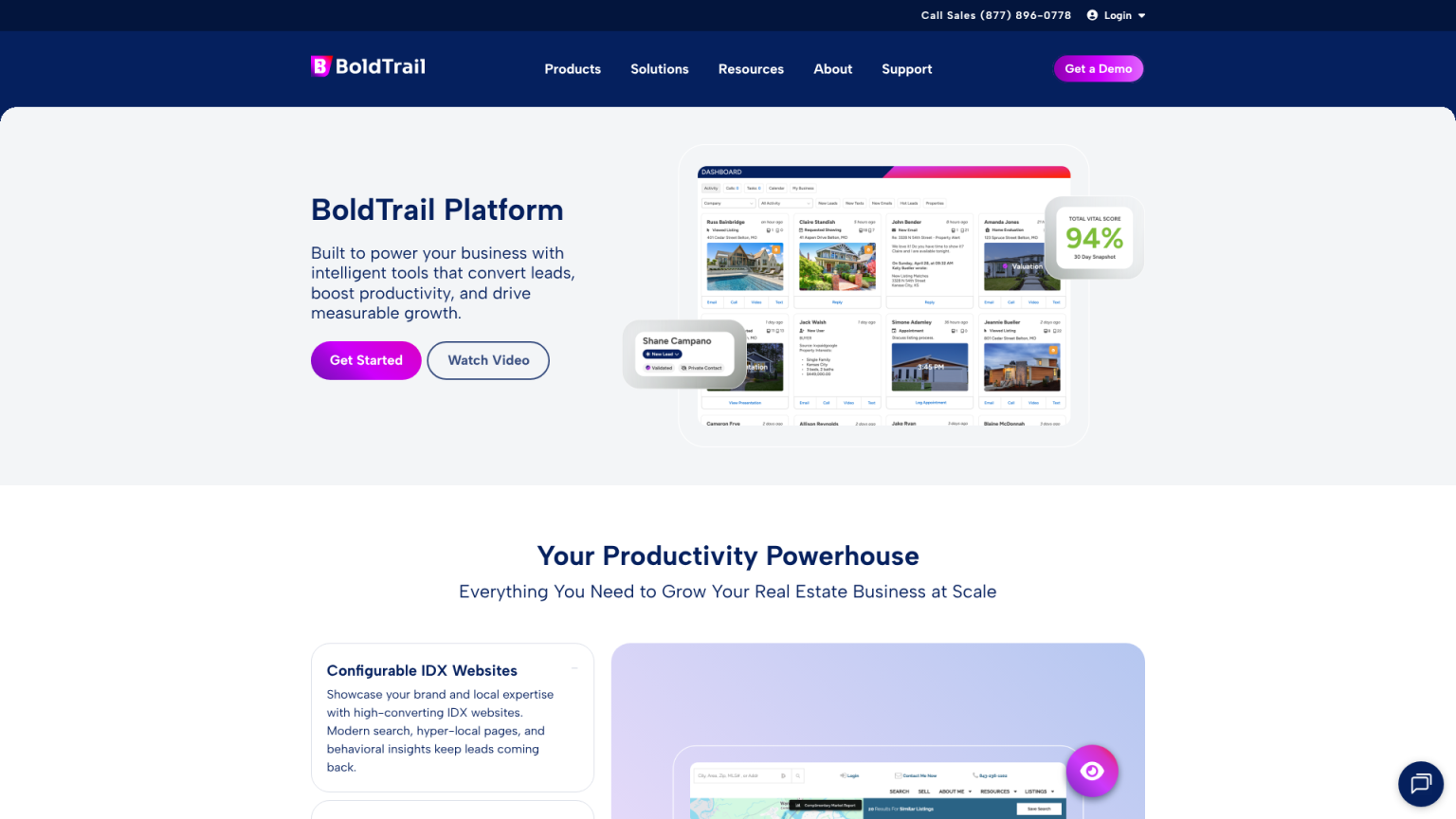
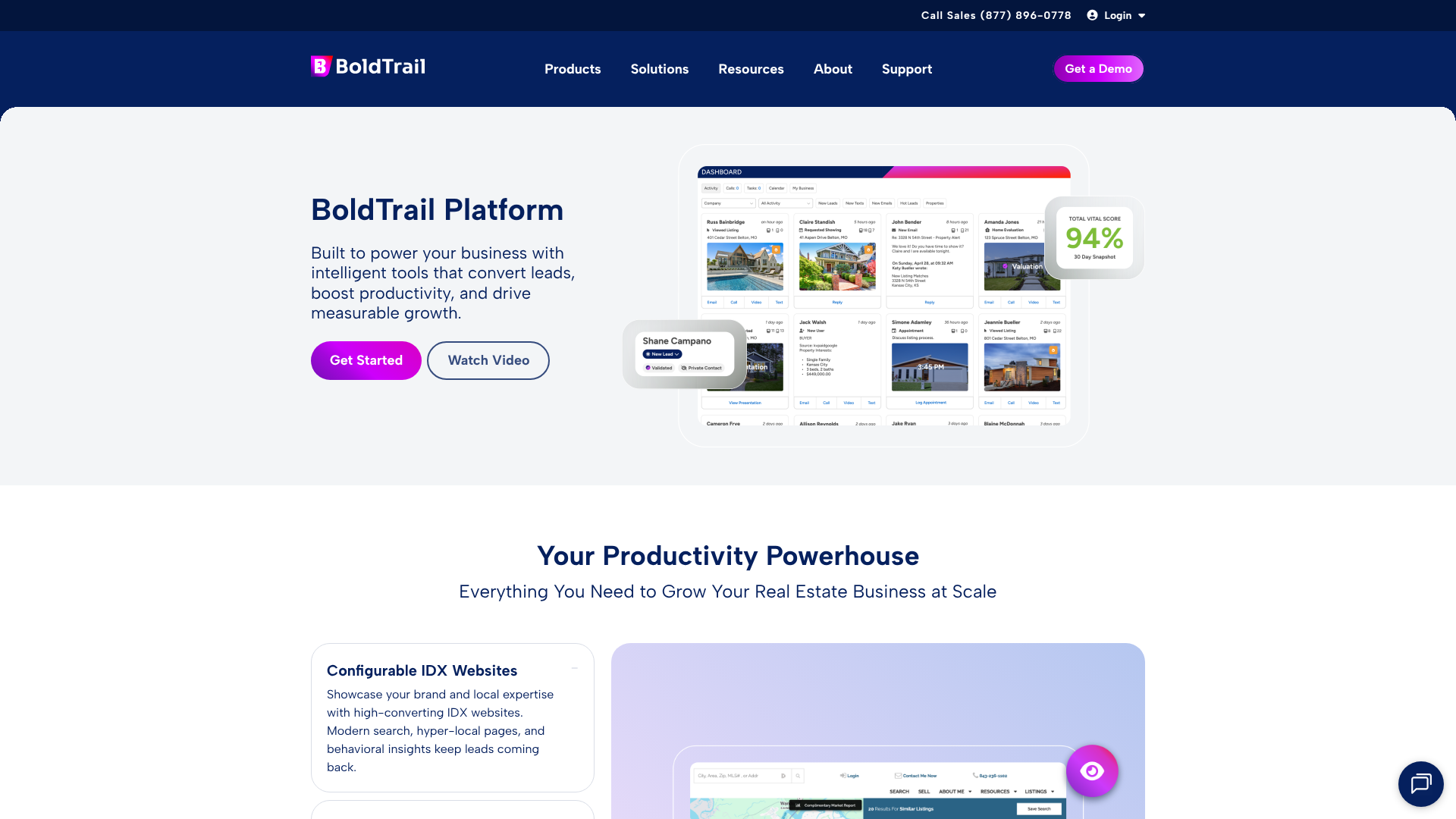
Many all-in-one real estate platforms like kvCORE or BoomTown offer IDX-enabled websites designed with real estate SEO in mind. These platforms can simplify the technical side, allowing you to focus on creating the valuable local content that drives traffic.

3. Create Engaging Content for Real Estate Listings
In real estate, you're not just selling a house; you're selling a lifestyle. Your listing content must create an emotional connection with potential buyers. This starts with high-quality, professional photography. Grainy, poorly lit smartphone photos are a major red flag.
Invest in a professional photographer who can capture the property's best features with wide-angle lenses and proper lighting.
Drone photography and videography are excellent agent marketing ideas for properties with significant land, unique exterior features, or scenic views. An aerial shot can showcase the entire property and its surroundings in a way that ground-level photos cannot. This perspective helps buyers understand the layout and context of the home within its neighborhood.
Your property descriptions should tell a story. Instead of just listing facts ("3 bed, 2 bath"), paint a picture of what it's like to live in the home. Use descriptive language to highlight key features and benefits. Mention the morning sun streaming into the kitchen, the cozy fireplace perfect for winter nights, or the backyard designed for summer barbecues.
Focus on the feelings and experiences the home offers. If writing isn't your strong suit, you can use AI-powered tools like Trof AI to help brainstorm compelling descriptions that capture a property's unique charm.
4. Leverage Social Media for Real Estate Marketing
Social media is a powerful tool for connecting with your community, showcasing your expertise, and generating leads. The key is to choose the right platforms and post content that provides value, not just sales pitches. For real estate, the most effective platforms are typically visual ones like Instagram and Facebook.
On Instagram, use high-quality images and videos. Reels are particularly effective for giving quick property tours, sharing market updates, or offering home-buying tips. Use Stories for behind-the-scenes content, like a day in the life of an agent, client testimonials, or Q&A sessions. This helps humanize your brand and build a personal connection with your followers.
Facebook is ideal for community building. Join and participate in local community groups (where permitted) to answer real estate questions and establish yourself as a helpful expert. You can also run targeted Facebook Ads to promote your listings to specific demographics, locations, and interest groups. For example, you can target ads for a family home to users who have shown interest in parenting-related topics and live within a certain radius.
No matter the platform, consistency is crucial. Create a content calendar to plan your posts in advance, ensuring a steady stream of valuable content. Mix up your posts between listings, educational content, community spotlights, and personal updates to keep your feed interesting and engaging.
5. Utilize Email Marketing to Nurture Leads
Email marketing remains one of the most effective real estate marketing tips for nurturing leads and staying top-of-mind with past clients. Unlike social media, where algorithms control who sees your content, email gives you a direct line of communication with your audience. The goal is to build relationships by consistently providing value.
First, focus on building your email list. You can collect emails from your website through a newsletter signup form, at open houses with a digital sign-in sheet, or by offering a valuable resource (a "lead magnet") like a free home buyer's guide or a local market report in exchange for an email address.
Once you have a list, segment it into different groups, such as active buyers, potential sellers, past clients, and local contacts. This allows you to send more targeted and relevant content. For example, active buyers could receive a weekly email with new listings that match their criteria, while potential sellers might get market updates and tips on how to prepare their home for sale.
This is where a real estate-specific Customer Relationship Management (CRM) system becomes essential. Tools like Follow Up Boss or LionDesk are designed to help agents manage their contacts, track interactions, and automate email campaigns. You can set up automated "drip campaigns" to send a pre-written series of emails to new leads, ensuring no opportunity falls through the cracks.
Pro Tip: Your email newsletter shouldn't just be about real estate. Include information about local events, new restaurant openings, or community news. This positions you as a local expert and gives people a reason to open your emails even when they're not actively buying or selling.
6. Embrace the Role of Virtual Tours in Modern Marketing
Virtual tours have transformed from a novelty into a standard expectation in real estate marketing. They offer an immersive, 24/7 open house experience that allows potential buyers to explore a property from anywhere in the world. This is a massive advantage for attracting out-of-town buyers and for pre-qualifying local leads before they schedule an in-person showing.
3D tours, like those created with Matterport technology, allow users to digitally "walk" through a home at their own pace. They can look up at the ceilings, down at the floors, and get a true sense of the space and layout that photos alone cannot convey. This level of detail helps buyers form a stronger emotional connection to the property and increases their confidence in its suitability.
Beyond 3D tours, you can create guided video tours. In these videos, you walk through the property, pointing out key features and narrating the experience as if you were giving a private showing. This is an excellent way to inject your personality and expertise into the listing. Share these video tours on your website, social media channels (especially YouTube and Instagram Reels), and in your email newsletters.
Promoting your virtual tours is just as important as creating them. Make sure the link is prominently displayed on the MLS listing, your website, and all social media posts about the property. A virtual tour can be the deciding factor that makes a buyer click for more information or schedule a visit.
7. Perfect Your Networking and Open House Techniques
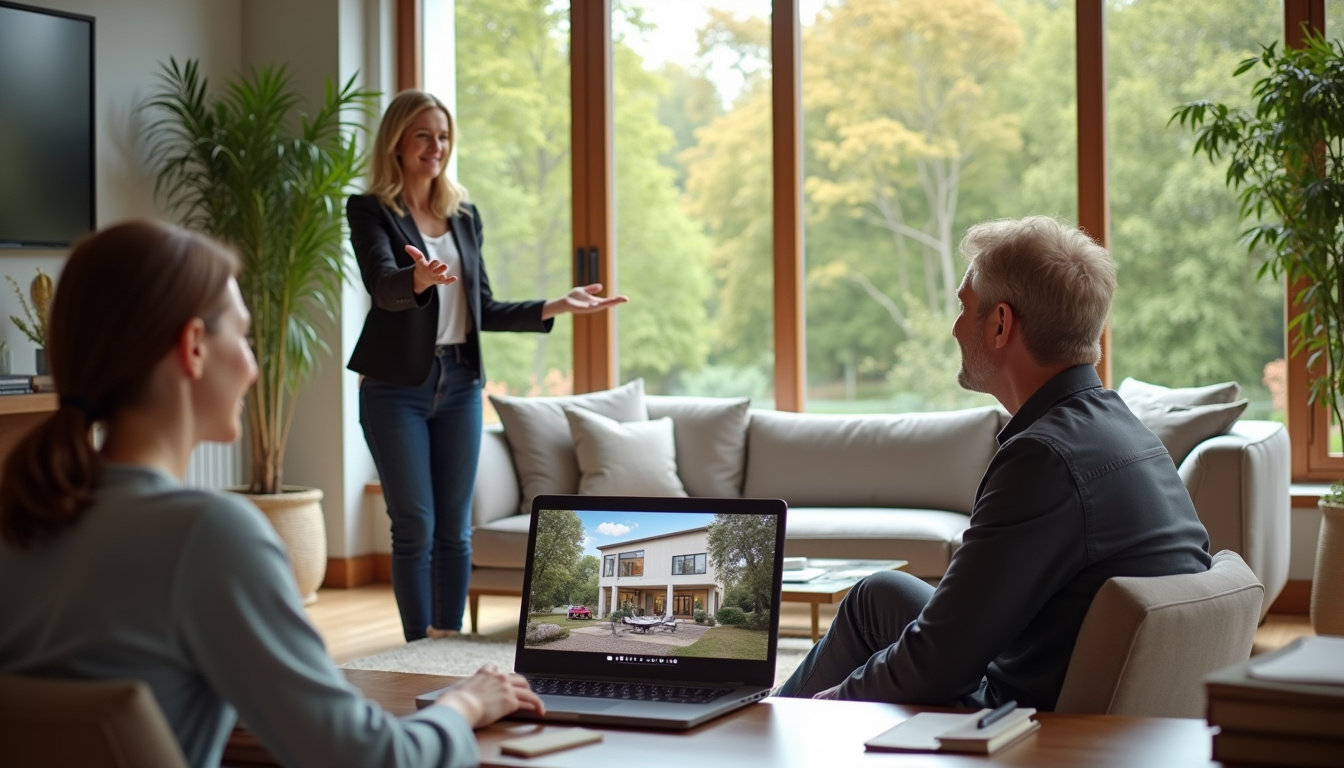
Real estate is, and always will be, a relationship business. While digital marketing is essential for reach, old-school networking and effective open houses are where you build the trust that seals deals. These strategies put you face-to-face with potential clients and referral partners in your community.
Effective networking goes beyond just attending industry events. Build relationships with other local professionals who serve homeowners, such as mortgage brokers, home inspectors, contractors, and interior designers. A strong referral network can be a consistent source of high-quality leads. Also, get involved in your community.
Join a local business association, volunteer for a charity, or sponsor a youth sports team. The more visible you are in your community, the more people will think of you when they need a real estate agent.
Modernize your open house techniques to maximize their impact. Instead of a paper sign-in sheet, use a tablet with a digital form that automatically adds attendees to your CRM. This makes follow-up faster and more organized. Make the open house an experience.
Offer good coffee and local pastries, play some light music, and have high-quality feature sheets available. Your goal is to create a welcoming environment where visitors feel comfortable exploring and asking questions.
After the open house, follow up promptly with everyone who attended. Thank them for coming and ask if they have any questions. This simple step can turn a casual visitor into a serious lead.
8. Use Data Analytics to Target Potential Clients
Marketing without data is like driving with your eyes closed. Data analytics allows you to understand what's working, what's not, and where to focus your time and money for the best return on investment. It transforms your marketing from guesswork into a calculated strategy.
Start by tracking key metrics from your digital platforms. On your website, use Google Analytics to monitor your traffic sources, most popular pages, and user behavior. Are people finding you through organic search or social media. Are they spending time on your neighborhood guide pages.
This information tells you what content is resonating with your audience.
For social media, pay attention to engagement rates (likes, comments, shares) and reach. Which types of posts get the most interaction. Is video performing better than static images. Use these insights to refine your content strategy.
Email marketing platforms provide data on open rates and click-through rates. If a particular subject line gets a high open rate, use similar formats in the future. If a link to a new listing gets a lot of clicks, you know your audience is interested in that type of property.
CRMs built for real estate are powerful data hubs. Platforms like Follow Up Boss track where your leads are coming from (e.g., Zillow, your website, an open house) and help you calculate the ROI for each channel. By analyzing this data, you can double down on your most profitable lead sources and cut spending on those that aren't performing.
9. Master Advertising Strategies for Luxury Real Estate
Marketing luxury properties requires a different approach than standard residential real estate. The target audience is smaller, more discerning, and expects a higher level of quality and exclusivity in all marketing materials. Your property marketing strategies must reflect the prestige of the home itself.
Visuals are paramount. This is where you invest in the absolute best. This includes architectural photography, cinematic video tours with a narrative, and stunning twilight shots that create a dramatic, high-end feel. Virtual staging can be used to furnish empty luxury homes with designer furniture, helping affluent buyers visualize the lifestyle.
Your advertising needs to be highly targeted. Instead of broad campaigns, focus on platforms and publications that cater to a high-net-worth audience. This could include digital ads on websites like The Wall Street Journal or Robb Report, as well as print ads in luxury lifestyle magazines. On social media, use platforms like LinkedIn to target users by job title or industry, and use Facebook's and Instagram's detailed targeting options to reach users with interests in luxury brands, travel, and finance.
Exclusivity is a powerful marketing tool. Instead of a public open house, host a private, invitation-only event for qualified buyers and top brokers in the area. This creates a sense of urgency and prestige. Your entire marketing package, from the property website to the printed brochures, should be of the highest quality, using premium materials and sophisticated design to match the caliber of the property.
10. Consistently Ask for Reviews and Testimonials
Social proof is one of your most powerful marketing assets. Positive reviews and testimonials build trust and credibility with potential clients faster than any advertisement ever could. In a business built on relationships, hearing about a positive experience from a past client can be the final push a new lead needs to contact you.
Make asking for reviews a standard part of your closing process. Once a deal is successfully closed and your clients are happy, send them a direct, personal email. Thank them for their business and politely ask if they would be willing to share their experience on a few key platforms. Make it easy for them by providing direct links to your profiles on Google, Zillow, and Yelp.
Don't just let these testimonials sit on review sites. Repurpose them across all your marketing channels. Create visually appealing graphics with snippets of great reviews to post on social media. Add a dedicated testimonials page to your website.
Include a powerful quote in your email signature. Reading about your professionalism, dedication, and results in the words of a happy client is incredibly persuasive.
Pro Tip: Ask for video testimonials. A short, 30-60 second video of a client sharing their positive experience is incredibly authentic and impactful. It's much more powerful than written text and can be shared across your website and social media for maximum effect.
Frequently Asked Marketing Questions for Agents
What are the 4 P's of real estate marketing?
The 4 P's are a classic marketing framework that applies well to real estate. They are Product (the property itself, including its features and condition), Price (the listing price, which must be competitive for the market), Place (the property's location and where it's marketed, like the MLS, Zillow, or social media), and Promotion (the advertising and communication strategies used to attract buyers, such as open houses, digital ads, and email marketing).
What is the 80/20 rule for realtors?
The 80/20 rule, or Pareto Principle, suggests that 80% of your results often come from 20% of your efforts. For realtors, this means identifying the most effective marketing activities and focusing your energy there. For example, you might find that 80% of your best leads come from your email newsletter and local networking (your 20% effort), while other activities yield fewer results. The key is to track your results to identify that critical 20%.
What is the best marketing idea for real estate agents?
There is no single "best" idea, as the most effective strategy depends on your market, niche, and personal strengths. However, a universally powerful approach is creating hyper-local content. Developing detailed neighborhood guides, market reports, and blog posts about your specific service areas establishes you as the undisputed local expert. This builds immense trust and attracts highly qualified leads who are actively looking to buy or sell in that area.
What is the 70-20-10 rule in marketing?
This rule provides a framework for balancing your marketing efforts to encourage innovation while maintaining stability. It suggests allocating your resources as follows: 70% of your effort should go toward your proven, core marketing strategies (the things you know work). 20% should be dedicated to expanding on those strategies (e.g., trying a new ad format on a platform you already use). The final 10% should be for purely experimental tactics (e.g., testing a brand-new social media platform).
Final Thoughts: Putting Your Strategy into Action
Building a successful real estate business requires a thoughtful and consistent marketing plan. The most effective real estate agent marketing strategies are not executed in isolation; they work together to create a powerful system for attracting, nurturing, and converting leads. Your brand sets the stage, your website and SEO draw people in, your content engages them, and your email and networking efforts build the relationships that last a lifetime.
Start by mastering one or two of these areas and then gradually expand your efforts. Track your results, see what works for your market, and don't be afraid to adapt. By combining timeless relationship-building with modern digital tactics, you can create a resilient marketing engine that fuels your business growth for years to come.
If you're looking to streamline your lead nurturing and communication, exploring a CRM like Follow Up Boss or LionDesk can be a great next step. These tools are designed to help you implement many of the follow-up and data-tracking strategies discussed here, saving you time and helping you close more deals.