









How to Build Real Estate Agent Marketing Plans: A Step-by-Step Guide
Creating a predictable stream of leads is the biggest challenge for most real estate agents. One week you're busy with clients, and the next you're scrambling for new business because your marketing efforts fell by the wayside. The solution isn't just working harder; it's working smarter with a documented strategy. Effective real estate agent marketing plans are the difference between a thriving, sustainable business and a career of frustrating ups and downs.
This guide provides a clear, step-by-step framework to build a plan that attracts clients consistently.
This isn't about chasing trends or trying random tactics. It's about building a foundational system that works for you, whether you're a new agent or a seasoned pro looking to scale. We'll cover everything from identifying your ideal client to using the right technology and measuring what truly matters, giving you a repeatable blueprint for success.
What You'll Learn
- Define Your Niche: The first step to effective marketing is knowing exactly who you're talking to. A focused target audience makes every other marketing decision easier and more impactful.
- Combine Digital and Traditional Methods: The most successful agents use a balanced approach. We'll cover how to master online channels like SEO and social media while still capitalizing on proven offline tactics like networking.
- Systemize with Technology: A Customer Relationship Management (CRM) tool is non-negotiable for modern agents. It helps you manage leads, automate communication, and ensure no opportunity is missed.
- Measure Everything: You can't improve what you don't measure. Tracking key performance indicators (KPIs) is essential for understanding your return on investment and refining your marketing strategies over time.
Step 1: Laying the Foundation – Identify Your Target Audience
Before you spend a single dollar on ads or an hour creating content, you must answer one question: Who are you trying to reach? Without a clear answer, your marketing messages will be too generic to resonate with anyone. This is the most critical part of all agent marketing plans because it dictates the channels you use, the content you create, and the language you speak.
Start by creating detailed client personas. A persona is a semi-fictional representation of your ideal client based on market research and real data. Go beyond basic demographics like age and income. Dig into their psychographics, including their goals, challenges, and motivations.
For example, are you targeting:.
- First-Time Homebuyers: Their pain points might include feeling overwhelmed by the process, saving for a down payment, and understanding mortgage options. Your marketing should be educational, reassuring, and focused on guidance.
- Luxury Sellers: Their concerns are different. They value discretion, premium marketing for their unique property, and an agent who understands high-net-worth individuals. Your branding and materials must reflect sophistication and exclusivity.
- Real Estate Investors: This group is numbers-driven. They care about cap rates, cash flow, and market trends. Your content should be analytical, data-rich, and focused on ROI.
Once you have 2-3 personas, every piece of marketing you create should be designed to speak directly to one of them. This focus makes your efforts far more effective than trying to be everything to everyone.
Step 2: Building Your Digital Footprint – Key Online Strategies




A strong online presence is essential for meeting clients where they are. Today, over 95% of buyers use online tools in their home search process, according to the National Association of Realtors. Your digital strategy is how you capture their attention early and establish yourself as a trusted authority. This involves a multi-pronged approach that works together to build visibility and generate leads.
The Role of SEO in Real Estate Marketing
Search Engine Optimization (SEO) is the process of making your website more visible on search engines like Google for relevant queries. For real estate, this is all about local SEO. When someone searches "homes for sale in Austin, TX" or "best real estate agent in Denver," you want to be the one they find.
Your first priority should be your Google Business Profile (GBP). This is the free listing that appears in Google Maps and the local search results. Optimize it completely with high-quality photos, your service areas, a detailed business description, and consistent posts. Most importantly, actively solicit reviews from past clients, as positive reviews are a major ranking factor.
Beyond GBP, your website needs to be optimized. This means performing keyword research to find the terms your target audience is using. Create dedicated pages for the neighborhoods you serve, and write blog posts that answer common client questions. This not only helps you rank on Google but also positions you as a local market expert.

Content Marketing Ideas for Real Estate Professionals
Content marketing is about creating and sharing valuable, relevant, and consistent content to attract and retain a clearly defined audience. It's not about a hard sell; it's about building trust. When you provide helpful information, potential clients are more likely to choose you when it's time to transact.
Here are some powerful property marketing ideas for your content strategy:
- Neighborhood Guides: Create in-depth guides for the communities you specialize in. Include information on schools, parks, local restaurants, and market statistics. This is incredibly valuable for buyers moving to the area.
- Blog Posts: Write articles that answer your clients' most pressing questions. Topics could include "10 Steps to Buying Your First Home," "How to Prepare Your House for Sale," or "Understanding the Current Housing Market in [Your City]."
- Video Content: Video is highly engaging and a great way to showcase your personality. Create property video tours, host Q&A sessions on Instagram Live, or film short clips explaining complex real estate concepts.
Utilizing Virtual Tours and 3D Tours in Your Listings
In today's market, professional photos are table stakes. To truly stand out, you need to incorporate immersive media like virtual and 3D tours. These digital assets allow potential buyers to walk through a property from anywhere in the world, at any time.
The benefits are significant. Virtual tours can pre-qualify buyers, meaning the people who schedule in-person showings are already highly interested. This saves you and your sellers valuable time. They also give your listings a much wider reach, attracting out-of-state or even international buyers.
Promote these tours everywhere. Embed them directly on your listing page, share them on social media, and include them in your email newsletters. Highlighting this technology in your listing presentations also shows sellers that you use modern real estate marketing strategies to get their home sold for the best possible price.
Step 3: Engaging Your Audience with Social Media and Email
Once you've built your digital foundation, the next step is to actively engage with your audience. Social media and email marketing are two of the most powerful channels for building relationships at scale. They allow you to stay top-of-mind with your sphere of influence and nurture new leads until they are ready to transact.
Creating Effective Social Media Campaigns
Social media for real estate is about community, not just listings. While you should showcase your properties, your content mix needs to be much broader to keep your audience engaged. A good rule of thumb is the 80/20 rule: 80% of your content should be valuable and community-focused, while only 20% is directly promotional.
First, choose the right platforms. Facebook and Instagram are excellent for visual storytelling and reaching a broad local audience. LinkedIn is better suited for networking with other professionals and connecting with clients in corporate or luxury spheres. The key is to be consistent on one or two platforms rather than spreading yourself too thin across many.
Your content pillars could include:
- Local Highlights: Feature local businesses, parks, and events to position yourself as a community insider.
- Client Testimonials: Share success stories and photos of happy clients (with their permission).
- Educational Content: Post short video tips, infographics, or carousels explaining market trends or the home-buying process.
- Behind-the-Scenes: Show your personality. People work with agents they know, like, and trust.
As noted in a post by agenttoolsforsuccess on Instagram, consistency is the biggest hurdle for agents. They suggest that "without a strategy, it turns into guesswork." This is why planning your content in a calendar is essential for long-term success.
Leveraging Email Marketing for Nurturing Leads
Email marketing delivers one of the highest ROIs of any marketing channel because you own the list. Unlike social media, you're not subject to algorithm changes that can limit your reach. It's your direct line of communication to your most valuable contacts.
Start by building your email list at every opportunity: add a sign-up form to your website, collect emails at open houses, and create a lead magnet (like a free seller's guide) that people receive in exchange for their email address. Once you have a list, segment it into different categories, such as new buyer leads, new seller leads, past clients, and your personal sphere.
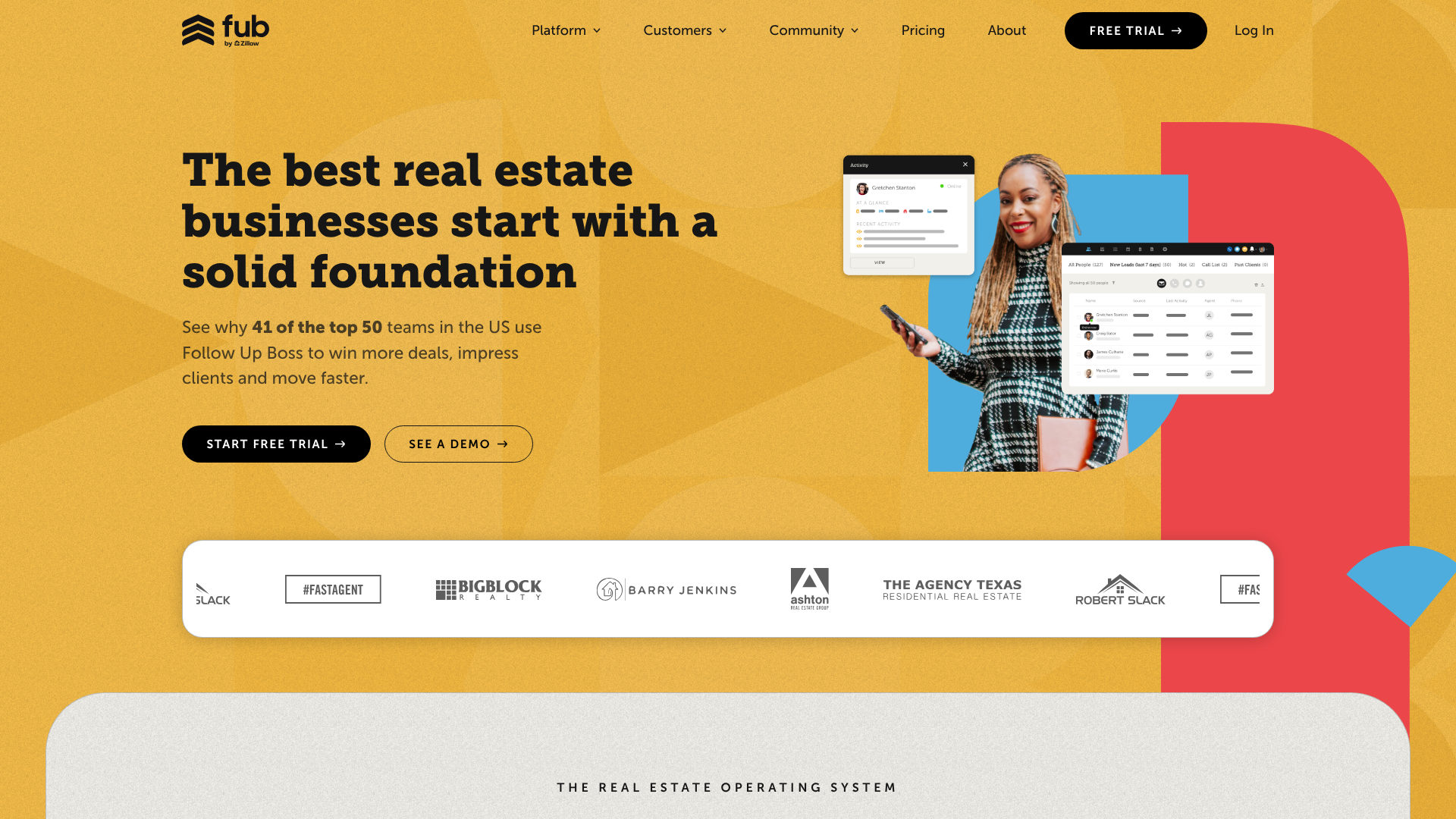
This is where a Customer Relationship Management (CRM) system becomes indispensable. Tools like Follow Up Boss or LionDesk are designed to help agents manage their contacts and automate communication. You can set up automated email drip campaigns for new leads, sending them a series of helpful emails over several weeks to build trust and rapport without manual effort. For past clients, a simple monthly newsletter with market updates and home maintenance tips can keep you top-of-mind for future referrals.
Pro Tip: Your email subject line is the most important part of your email. Spend extra time crafting a compelling, curiosity-driven subject line. An amazing email is useless if no one opens it. Tools that analyze subject lines can help you improve your open rates significantly.
Step 4: Forging Connections Through Networking and Branding
While digital marketing is powerful, real estate will always be a relationship-based business. Your offline efforts to build connections and craft a memorable personal brand are just as important as your online presence. These are the strategies that build deep trust and generate word-of-mouth referrals, the lifeblood of any successful agent's business.
The Power of Networking and Community Engagement
Networking isn't just about handing out business cards at stuffy events. It's about genuinely embedding yourself in your community and becoming a valuable, recognized local figure. When people in your town think of real estate, your name should be the first one that comes to mind.
Effective networking strategies include:
- Partnering with Local Businesses: Build relationships with mortgage brokers, home inspectors, contractors, and local shop owners. You can cross-promote each other's services, creating a powerful referral network.
- Sponsoring Local Events: Sponsoring a local youth sports team or a community festival gets your name and face in front of hundreds of local families in a positive context.
- Joining Community Groups: Get involved in the local Chamber of Commerce, a neighborhood association, or a non-profit board. This allows you to build relationships with other community leaders.
- Hosting Events: Host a free seminar for first-time homebuyers at the local library or a client appreciation party at a neighborhood park. These events provide value and strengthen relationships.
Building a Powerful Personal Brand as a Real Estate Agent
Your personal brand is your reputation. It's what people say about you when you're not in the room. A strong brand differentiates you from the hundreds of other agents in your market. It's your unique value proposition (UVP)—the thing that makes you the obvious choice for your ideal client.
To build your brand, first define it. What are your core values. What are you best at. Are you the tech-savvy agent who uses data to win negotiations.
The empathetic guide for nervous first-time buyers. The luxury expert with an eye for design. Your brand should be an authentic reflection of your strengths and passions.
Once defined, ensure your brand is consistent across every single touchpoint:
- Visual Identity: Your headshot, logo, and color scheme should be professional and used consistently on your website, social media, email signature, and print materials.
- Brand Voice: The tone you use in your marketing copy should align with your brand. Is it friendly and approachable, or sophisticated and formal?
- Client Experience: Your brand is ultimately defined by the experience you deliver. Every interaction, from the first phone call to the closing table, should reinforce your brand promise.
Step 5: Systemizing for Success with Tools and Measurement
A marketing plan is only effective if it's implemented consistently and its results are tracked. This is where technology and data analysis come in. The right tools can automate repetitive tasks, save you hours each week, and provide the insights you need to make smart business decisions. Without systems, even the best real estate marketing strategies will fail due to a lack of execution.
Choosing the Right Real Estate Tech Stack
Your technology stack doesn't need to be complicated, but it does need to be integrated. At the center of your stack should be a real estate-specific CRM. This is your command center for all lead generation and client relationship activities.
A good CRM helps you:
- Consolidate Leads: Pull in leads from all your sources (Zillow, your website, Facebook ads) into one organized database.
- Automate Follow-Up: Use action plans and drip campaigns to ensure every lead is contacted immediately and nurtured over time.
- Track Conversations: Keep a record of every call, email, and text message with your clients so you always have context.
- Manage Your Pipeline: Visualize where every client is in the transaction process, from prospect to closing.
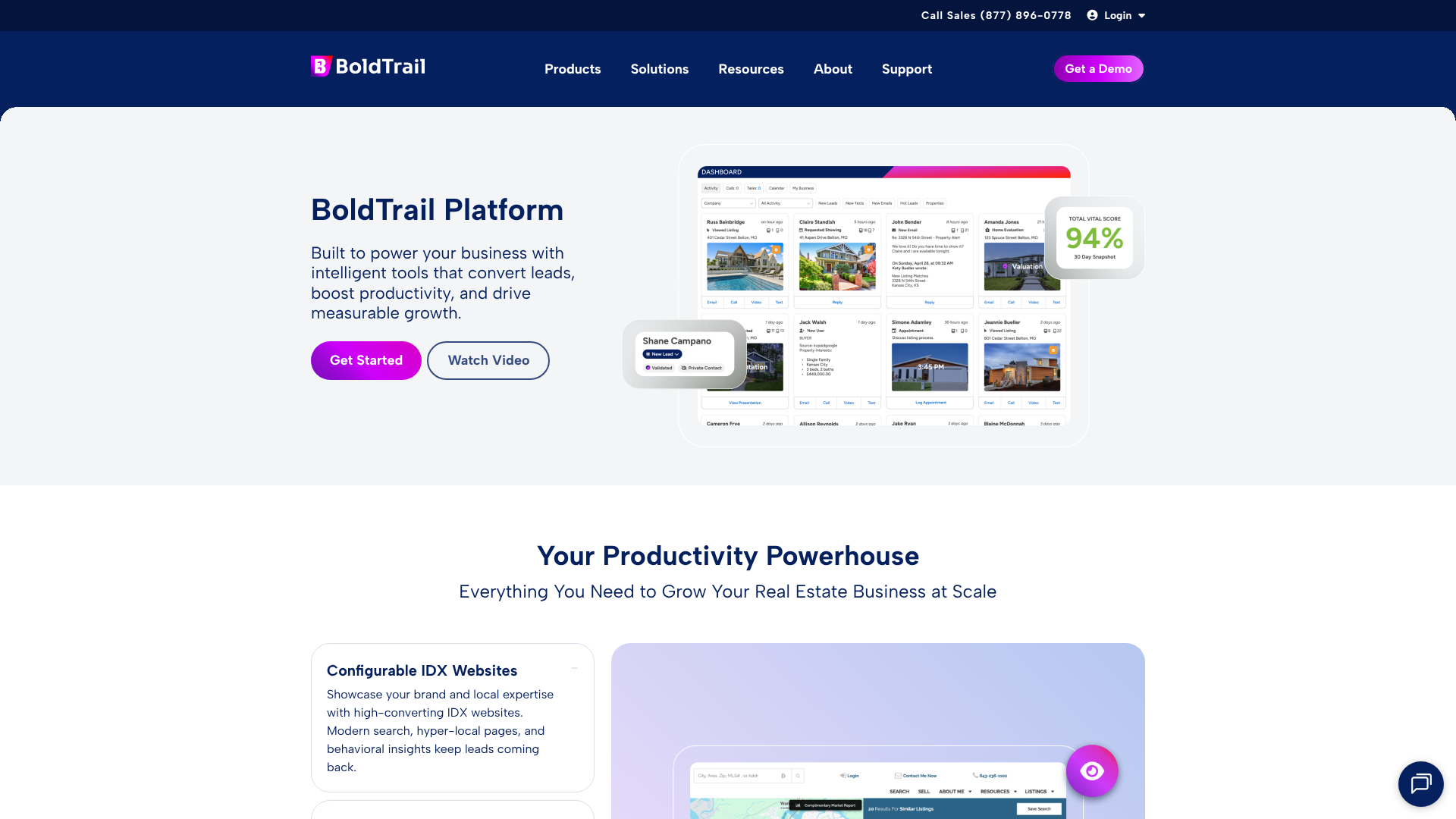
There are many great options on the market. All-in-one platforms like kvCORE and BoomTown provide a website, CRM, and marketing automation in a single package. For agents who already have a website and are looking for a best-in-class system for lead management, Follow Up Boss is a highly popular and powerful choice. For transaction management, a tool like Dotloop can streamline the paperwork process from contract to close.
Tracking and Measuring Your Marketing Success
Marketing without measurement is just guessing. To build a scalable business, you must track your Key Performance Indicators (KPIs) to understand what's working and what's not. This data allows you to double down on your most profitable activities and cut spending on things that aren't delivering a return.
Key real estate marketing KPIs to track include:
- Leads Generated per Channel: How many leads did you get from your website, Facebook ads, and open houses this month?
- Cost Per Lead (CPL): If you spent $500 on Facebook ads and generated 25 leads, your CPL is $20.
- Conversion Rate: What percentage of your leads turn into appointments? What percentage of appointments turn into clients?
- Return on Investment (ROI): This is the ultimate metric. If you spent $1,000 on a marketing campaign and it resulted in a closed deal with a $10,000 commission, your ROI is 10x.
Your CRM should have a dashboard that makes it easy to track these numbers. Review your KPIs at least once a month. This regular analysis will help you refine your budget and focus your energy, turning your marketing from an expense into a predictable investment.
Pro Tip: Don't fall into the trap of tracking "vanity metrics" like social media likes or followers. While they can indicate engagement, they don't directly correlate to business success. Focus on the metrics that directly impact your bottom line: leads, appointments, and closings.
Frequently Asked Questions about Real Estate Marketing
How much should a real estate agent spend on marketing?
A common benchmark in the industry is to allocate about 10% of your gross commission income (GCI) to marketing and advertising. For new agents who don't have a steady income yet, it's more about budgeting a fixed amount you're comfortable with and focusing on low-cost strategies. As your business grows, you can scale your spending in line with your revenue.
What is the most effective marketing for real estate?
There is no single "most effective" strategy; the best approach is a multi-channel plan that combines digital and traditional methods. However, the highest-converting activities are often those that build personal relationships and local authority. This includes consistently nurturing your sphere of influence (SOI), creating hyper-local content (like neighborhood guides), and active community networking. These build trust, which is the foundation of a referral-based business.
How do I get real estate leads with no money?
Generating leads with a zero-dollar budget requires what's known as "sweat equity." You invest your time instead of your money. Highly effective free strategies include hosting open houses for other busy agents in your office, creating valuable content for your blog and social media (organic reach), optimizing your Google Business Profile, and systematically calling and emailing your personal network to let them know you're in the business and ask for referrals.
Final Thoughts
Building a successful real estate business requires more than just a license and a positive attitude. It requires a plan. The most successful agents operate like business owners, and a core component of any business is a well-defined marketing strategy. By following the steps outlined in this guide, you can move from reactive, inconsistent marketing to a proactive system that generates a predictable flow of leads.
Remember that your marketing plan is a living document. You must consistently track your results, analyze the data, and be willing to adapt your approach based on what the numbers tell you. The market changes, technology evolves, and your business will grow, so your plan should evolve with it.
If you're ready to systemize your lead management and ensure no opportunity slips through the cracks, exploring a dedicated real estate CRM is a logical next step. Platforms like Follow Up Boss for focused lead nurturing or all-in-one solutions like kvCORE can provide the technological backbone for your entire marketing plan, freeing you up to do what you do best: build relationships and close deals.