








How to Build a Real Estate Agent Marketing Plan: A 10-Step Guide
In a competitive market, simply being a great real estate agent isn't enough to guarantee success. The most successful agents operate like savvy business owners, and the cornerstone of their business is a well-defined real estate agent marketing plan. This strategic document acts as your roadmap, guiding your efforts to attract clients, close deals, and build a sustainable career. Without a plan, your marketing can feel scattered and ineffective, wasting both time and money.
This guide will walk you through the essential steps to create a plan that works for you.
Developing a comprehensive agent marketing plan involves more than just posting on social media or running a few ads. It requires a deep understanding of your ideal client, a clear message that sets you apart, and a consistent strategy for reaching people across multiple channels. From building your brand to tracking your return on investment, each component is crucial for long-term growth.
What You'll Learn
- Define Your Niche: Learn why identifying a specific target audience is the most critical first step to effective marketing and how to create detailed client personas.
- Craft Your Unique Value: Discover how to create a Unique Value Proposition (UVP) that clearly communicates why clients should choose you over the competition.
- Leverage Digital Tools: Understand how to use social media, email marketing, and online listing platforms to generate and nurture leads effectively.
- Master In-Person Strategies: Get actionable tips for maximizing open houses and building a powerful referral network with other industry professionals.
- Track and Optimize: Learn which key metrics to monitor to ensure your marketing efforts are delivering a positive ROI and how to adjust your strategy based on data.
Step 1: Understand Your Target Market
Before you can market to anyone, you need to know exactly who you're trying to reach. A vague approach like "I help people buy and sell homes" is too broad to be effective. The foundation of any successful real estate marketing strategy is a crystal-clear understanding of your target audience. This means moving beyond basic demographics and creating detailed client personas for both buyers and sellers.
A client persona is a semi-fictional representation of your ideal customer based on market research and real data. Give them a name, an age, a profession, and a backstory. What are their goals. Are they first-time homebuyers feeling overwhelmed by the process.
Are they growing families looking for more space in a specific school district. Or are they empty-nesters wanting to downsize.
Consider their pain points and challenges. A first-time buyer might be struggling with saving for a down payment and understanding mortgage options. A seller might be stressed about timing the market correctly and getting the best possible price for their home. Your marketing messages should speak directly to these specific problems and position you as the solution.
By defining your niche—whether it's luxury condos, starter homes, or rural properties—you can tailor every piece of content, every ad, and every conversation to resonate deeply with the people you want to serve.



Step 2: Create a Unique Value Proposition (UVP)
Once you know who you're talking to, you need to give them a compelling reason to listen. The real estate industry is crowded, and your potential clients have countless agents to choose from. Your Unique Value Proposition (UVP) is a clear, concise statement that answers the question: "Why should I work with you instead of anyone else?"
Your UVP is not just a slogan; it's the core of your brand promise. It should highlight what makes you different and better. Perhaps you have a background in construction that gives you a unique eye for property quality. Maybe you're a data wizard who provides clients with in-depth market analysis.
Or maybe your specialty is using cutting-edge video and virtual tour technology to create an unbeatable property marketing plan for sellers.
To develop your UVP, think about your strengths, your passion, and the specific needs of your target market. For example:
- For First-Time Buyers: "I simplify the homebuying journey for first-time buyers, providing step-by-step guidance and educational resources so you can purchase your first home with confidence."
- For Luxury Sellers: "I combine bespoke marketing strategies with an exclusive network to connect high-end properties with qualified buyers, ensuring maximum value and discretion."
- For Relocating Families: "As a local expert and parent, I help families relocating to the area find not just a house, but a community, with insider knowledge on schools, neighborhoods, and family resources."
Your UVP should be front and center in all your marketing materials—on your website, in your social media bio, and in your email signature. It’s the hook that grabs attention and makes you memorable.


Step 3: Develop a Compelling Brand Identity
Your brand is much more than just your UVP; it's the complete look, feel, and voice of your business. A strong brand identity builds recognition and trust, making you the agent people think of first. Consistency is the key to effective branding. Every touchpoint a client has with you should feel cohesive and professional.
Start with the visual elements. This includes a professional logo, a consistent color palette, and selected fonts that you use across all materials. Invest in high-quality professional headshots—this is not the place to use a selfie. Your photo is often the first "introduction" a potential client has to you, so it needs to convey approachability and competence.
These visual assets will be used on your business cards, website, social media profiles, email newsletters, and property flyers.
Beyond visuals, define your brand's tone of voice. Are you energetic and modern, or are you calm, experienced, and reassuring. Your tone should align with your target audience. If you're targeting millennials, your language might be more casual and use emojis.
If you're focused on the luxury market, your tone will likely be more formal and sophisticated. This voice should be consistent in your blog posts, social media captions, and email communications. A strong brand identity makes you look more professional and helps you build a loyal following.
Step 4: Utilize Social Media for Promotion
Social media is no longer optional for real estate agents; it's an essential channel for building relationships and generating leads. However, an effective social media strategy is about more than just posting listings. It's about providing value, showcasing your expertise, and building a community. Choose platforms where your target audience spends their time.
Instagram is great for visual content like high-quality property photos and video tours. Facebook is powerful for building local community groups and running targeted ads. LinkedIn is ideal for professional networking and establishing your authority in the market.
Your content mix should follow the 80/20 rule: 80% of your content should be valuable, educational, or entertaining, while only 20% should be directly promotional. Share tips for homebuyers, local market updates, spotlights on neighborhood businesses, and client testimonials. Use video content like property walk-throughs, Q&A sessions, and behind-the-scenes glimpses into your day. These formats build a personal connection and help potential clients get to know, like, and trust you.
Pro Tip: Use Instagram and Facebook Stories to share real-time updates from open houses or property showings. The informal, temporary nature of Stories feels authentic and encourages engagement through polls, quizzes, and question stickers.
Consistency is crucial. Use a content calendar to plan your posts in advance. This ensures you're posting regularly and maintaining a balanced mix of content. Engaging with your audience is just as important as posting.
Respond to comments and messages promptly to show that you're an active and attentive agent.
Step 5: Leverage Email Marketing Campaigns
Email marketing remains one of the most effective ways to nurture leads and stay top-of-mind with your sphere of influence. Unlike social media, where algorithms control who sees your content, email gives you a direct line of communication with your audience. The key to a successful email marketing strategy is providing consistent value, not just sending sales pitches.
Start by building your email list at every opportunity: through your website, at open houses, and via social media lead magnets (like a free homebuyer's guide). Once you have a list, segment it into different groups, such as potential buyers, potential sellers, past clients, and industry peers. This allows you to send highly relevant content to each group. For example, buyers might receive new listing alerts and mortgage tips, while sellers could get articles on home staging and market trends.
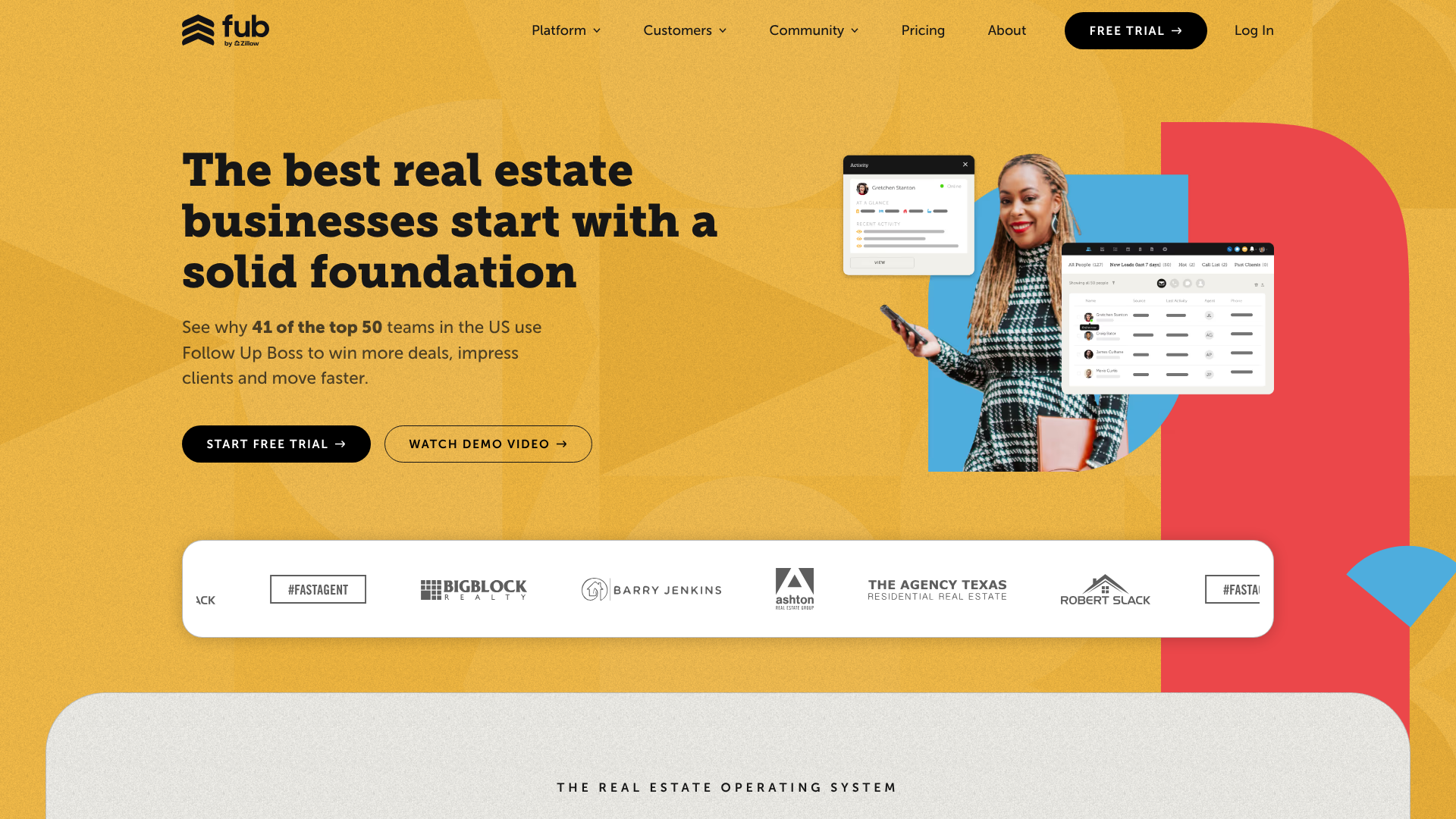
To manage this process efficiently, a Customer Relationship Management (CRM) system is essential. A real estate CRM like Follow Up Boss or LionDesk helps you organize your contacts, segment your lists, and automate email campaigns. You can set up drip campaigns to automatically send a series of pre-written emails to new leads, ensuring no one falls through the cracks. These platforms transform your email list from a simple spreadsheet into a powerful lead-nurturing machine, forming a critical part of your agent marketing plan.
Step 6: Implement Effective Open House Strategies
Open houses are a classic real estate marketing tactic for a reason: they work. But a successful open house requires more than just putting up a few signs on a Sunday afternoon. A strategic approach can turn a simple showing into a powerful lead-generation event, not just for the listed property but for your future business as well.
Your strategy should begin long before the event. Promote the open house aggressively across multiple channels. Post it on the MLS, Zillow, and your social media channels. Consider running a targeted Facebook ad to homeowners in the surrounding neighborhood.
Create high-quality flyers and distribute them locally. On the day of the event, use plenty of clear, professional signage to guide visitors.
During the open house, your goal is twofold: showcase the property and connect with potential clients. Have a sign-in system to collect contact information—a digital sign-in on a tablet is modern and efficient. This information is gold; it's a list of active buyers in your market. Be a gracious host, not a pushy salesperson.
Offer information about the home and the neighborhood, and ask open-ended questions to understand visitors' needs. After the event, the follow-up is critical. Add every visitor to your CRM and enroll them in a relevant email campaign. Send a thank-you message and offer to send them other similar properties, turning a one-time visitor into a long-term lead.
Step 7: Network with Other Industry Professionals
Some of your best leads won't come from clients but from other professionals in and around the real estate industry. Building a strong referral network is a low-cost, high-impact marketing strategy that can provide a steady stream of qualified leads. Your network should include professionals whose services your clients need before, during, and after a transaction.
Key people to connect with include mortgage lenders, home inspectors, real estate attorneys, title company representatives, contractors, and insurance agents. When you refer a client to a trusted mortgage broker, that broker is highly likely to return the favor when one of their pre-approved clients is ready to start house hunting. These relationships should be mutually beneficial. Look for opportunities to help your network partners grow their businesses as well.
Attend local industry events, join professional organizations, and make a point to have coffee or lunch with a different professional each week. Don't just exchange business cards; take the time to build genuine relationships. Understand their business and the type of client they serve best, so you can make high-quality referrals. A strong professional network not only generates leads but also enhances your value to clients, as you can recommend a team of trusted experts to help them through every stage of the process.
Step 8: Maximize Your Presence on Online Listing Platforms
For most buyers, the home search begins online. Platforms like Zillow, Realtor.com, and Trulia are often the first stop, making your presence there absolutely critical. An effective property marketing plan hinges on creating listings that stand out from the thousands of others online. This comes down to two key elements: exceptional visuals and compelling copy.
High-quality, professional photography is non-negotiable. Listings with professional photos get more views, sell faster, and command higher prices. Consider investing in a 3D virtual tour, like those from Matterport, which allows potential buyers to digitally walk through the home. This immersive experience is a powerful tool, especially for out-of-town buyers.
Drone photography can also be a great way to showcase a property's location, lot size, and exterior features.
Your property description is your chance to tell the story of the home. Don't just list features; sell the lifestyle. Instead of saying "three bedrooms, two baths," describe the "sun-drenched primary suite with a spa-like ensuite bathroom." Highlight unique features and recent upgrades. Use descriptive, evocative language that helps buyers imagine themselves living in the space.
Make sure your contact information is prominent and that you respond to inquiries from these platforms as quickly as possible, as speed-to-lead is a major factor in converting online interest into an actual client.
Step 9: Track and Analyze Your Marketing Metrics
Marketing without measurement is just guessing. To ensure your real estate marketing strategy is effective, you must track your results, analyze the data, and optimize your approach accordingly. Tracking key performance indicators (KPIs) tells you what's working and what's not, allowing you to allocate your time and budget to the activities that generate the best return on investment (ROI).
Some of the most important metrics to track include:
- Lead Source: Where are your leads coming from? (e.g., Zillow, Facebook, open houses, referrals). This tells you which channels are most valuable.
- Cost Per Lead (CPL): How much are you spending to acquire one new lead from each channel? Calculate this by dividing the total cost of a campaign by the number of leads it generated.
- Conversion Rate: What percentage of your leads turn into clients? Track this for each lead source to identify which channels bring in the most motivated prospects.
- Website Traffic and Engagement: Use Google Analytics to monitor how many people visit your website, which pages they view, and how long they stay.
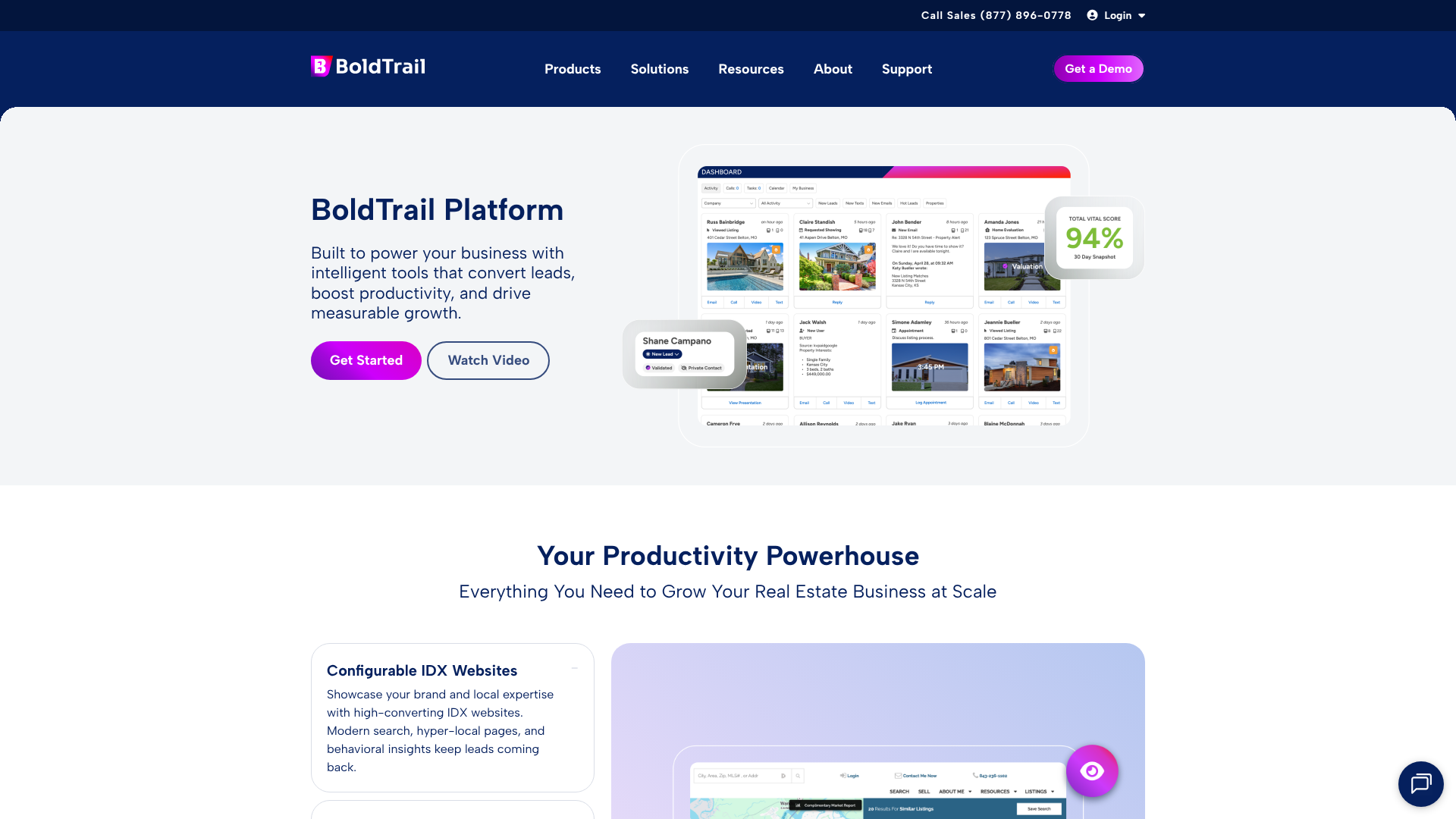
All-in-one real estate platforms like kvCORE or BoomTown are designed to make this process easier. They often include built-in analytics dashboards that automatically track lead sources, agent activity, and conversion funnels. By centralizing your marketing and sales data, these tools provide a clear picture of your business performance, helping you make data-driven decisions to refine and improve your marketing plan over time.
Pro Tip: Review your marketing metrics on a monthly and quarterly basis. Look for trends. Is one social media platform outperforming others? Are your email open rates declining? Use these insights to double down on successful tactics and adjust underperforming ones.
Step 10: Create a Realistic Marketing Budget
Your marketing plan needs fuel to run, and that fuel is your budget. A common mistake new agents make is failing to allocate sufficient funds for marketing, while experienced agents sometimes spend without a clear plan. Creating a marketing budget ensures you have the resources to execute your strategy consistently throughout the year.
Your budget should be a percentage of your Gross Commission Income (GCI). A common rule of thumb is to allocate around 10% of your GCI to marketing. If you're a new agent trying to build momentum, you may need to invest a higher percentage initially. Break down your budget by category.
How much will you spend on online advertising, CRM software, professional photography, print materials, and client events. Assigning a specific dollar amount to each category helps you stay on track.
Be sure to include both fixed and variable costs. Your CRM subscription and website hosting are fixed monthly costs. Your spending on Facebook ads or direct mail for a specific listing will be variable. Treat your marketing budget as an investment in your business, not an expense.
When you track your metrics (as discussed in the previous step), you can directly tie your spending to your results, proving the ROI of your investment and making it easier to budget with confidence in the future.
Frequently Asked Questions
What should be in a real estate marketing plan?
A comprehensive real estate marketing plan should include several key components. Start with your business goals and a clear definition of your target audience and niche. It must feature your Unique Value Proposition (UVP), branding guidelines (logo, colors, voice), and a detailed budget. The plan should also outline your specific strategies for different channels, including social media, email marketing, online listing platforms, and in-person networking.
Finally, it needs to define the key performance indicators (KPIs) you will use to track your success and measure ROI.
How do I market myself as a new real estate agent?
As a new agent, focus on foundational activities that build your brand and sphere of influence. First, notify everyone you know—friends, family, past colleagues—that you are in the real estate business. Create professional social media profiles and start sharing valuable content, not just listings. Focus on one or two platforms initially.
Networking is also crucial; connect with lenders and other industry professionals. Finally, excel at any opportunity you get, like hosting an open house for a senior agent, to gain experience and meet active buyers.
What is the most effective marketing for real estate?
The most effective marketing is a multi-channel approach that combines digital and traditional methods. A strong online presence through a professional website and active social media profiles is essential for attracting modern buyers and sellers. Email marketing is highly effective for nurturing leads over the long term. However, don't neglect proven traditional methods like networking, open houses, and building a referral-based business from your sphere of influence and past clients.
The best strategy is a balanced one tailored to your specific market and target audience.
How much should a real estate agent spend on marketing?
A common benchmark for established real estate agents is to budget approximately 10% of their Gross Commission Income (GCI) for marketing and advertising. For new agents who are still building their business and brand recognition, this figure may need to be higher, sometimes closer to 15-20% of their projected GCI. The key is to treat it as a necessary investment in business growth and to track the return on that investment carefully to ensure funds are being spent effectively.
Final Thoughts
Creating a real estate agent marketing plan is not a one-time task; it's a commitment to thinking strategically about your business. By following these steps, you can build a powerful roadmap that guides your efforts, attracts your ideal clients, and sets you apart from the competition. From defining your audience and brand to executing across digital and physical channels, every piece of the plan works together to build momentum.
Remember that your plan should be a living document. The market changes, new technologies emerge, and your business will evolve. Regularly review your metrics, assess your strategies, and be willing to adapt. A consistent, well-executed marketing plan is the most reliable path to building a thriving and sustainable real estate career.
If you're looking to streamline your marketing efforts, platforms like Follow Up Boss and kvCORE can provide the automation and tracking tools you need to execute your plan effectively. Investing in the right technology can make all the difference in turning your strategy into tangible results.