









Real Estate Salesperson vs Agent: A 2026 Guide for Buyers & Sellers
When you’re navigating the world of real estate, the terminology can be confusing. You'll hear titles like salesperson, agent, broker, and Realtor® used, sometimes interchangeably. The most common point of confusion is the difference between a real estate salesperson vs a real estate agent. Understanding these roles is key to finding the right professional to guide you through one of life's biggest financial decisions.
Simply put, for you as a home buyer or seller, there is no functional difference between a real estate salesperson and a real estate agent. The terms describe the same licensed professional who helps clients buy and sell property. The distinction is mostly a matter of official terminology versus common usage, but the truly important differences lie in other titles, like "Broker" and "Realtor®."
This guide will break down all the real estate roles explained, clarify the salesperson vs agent debate, and show you what to focus on when choosing a professional to represent you.
What to Know
- Salesperson vs. Agent Is a Non-Issue: For consumers, a "real estate salesperson" and a "real estate agent" are the same. "Salesperson" is often the official license title, while "agent" is the common job title.
- Both Must Work Under a Broker: Neither a salesperson nor an agent can work independently. They must be sponsored by a licensed real estate broker who is legally responsible for their transactions.
- The Real Difference is Brokerage: The significant step up in the industry is from an agent to a broker. A broker has completed advanced training and can own a firm and supervise other agents.
- "Realtor®" is a Professional Designation: A Realtor® is a licensed agent or broker who is a member of the National Association of Realtors (NAR) and abides by its strict Code of Ethics. This is a mark of professionalism, not a separate type of license.
Real Estate Roles Explained: The Core Definitions
To clear up the confusion, it helps to understand the official definition of each role. The licensing requirements and terminology can vary slightly from state to state, but the fundamental structure is consistent across the U.S.
What is a Real Estate Salesperson?
A "real estate salesperson" is the formal, legal term for an individual who has met the state's requirements to earn a real estate license. This is the title that appears on their official license certificate after they complete the necessary steps.
To become a licensed salesperson, an individual must typically complete a required number of hours of pre-licensing education from an accredited institution. After finishing the coursework, they must pass a state-administered exam that covers national and state-specific real estate laws, principles, and practices. Upon passing, they receive their salesperson license.
The most critical aspect of this role is that a salesperson cannot operate independently. They must be affiliated with or "hang their license" under a licensed real estate broker. The broker sponsors the salesperson and is ultimately responsible for their actions and all transactions they conduct.
What is a Real Estate Agent?
"Real estate agent" is the common job title that most people use to refer to a real estate salesperson. When a salesperson represents a client (a buyer or a seller), they are acting as that client's "agent." This creates a fiduciary relationship, meaning the agent has a legal and ethical duty to act in the client's best interests.



So, a licensed salesperson works as a real estate agent. The term "agent" describes the function they perform for their clients. Over time, this functional description has become the default title used by the public and industry professionals alike.
Think of it this way: a person goes to law school and passes the bar exam to become a licensed attorney. When they represent you in court, they are acting as your lawyer. The terms are functionally interchangeable, just as salesperson and agent are in real estate.
The Bottom Line: Are They Different for a Client?
For anyone buying, selling, or renting a property, there is absolutely no practical difference. Whether a professional introduces themselves as a salesperson or an agent, they perform the same duties, have the same entry-level license, and operate under the same legal requirement to be supervised by a broker.
Don't get caught up in the semantics. Instead, focus on the more meaningful distinctions that actually impact the level of experience and ethical commitment you can expect.

The Real Distinction: Salesperson/Agent vs. Broker vs. Realtor®

The confusion around the "salesperson vs agent" title often masks the more important hierarchy in the real estate industry. Understanding the roles of a Broker and a Realtor® is far more valuable when you're evaluating professionals.
The Role of the Real Estate Broker
A real estate broker is a professional who has taken their education and experience to the next level. To become a broker, a licensed agent must typically have a certain amount of experience (usually two to three years of active work) and complete additional, more advanced coursework.
After meeting these requirements, they must pass a separate, more rigorous state broker's exam. A broker license grants them the ability to work independently, own and operate their own real estate brokerage, and hire and supervise salespersons.
There are a few types of brokers:
- Managing Broker: This person oversees the day-to-day operations of a brokerage and is legally responsible for all the agents working there.
- Associate Broker: This individual has a broker's license but chooses to work under another managing broker, often in a senior agent role without the responsibilities of running the company.
For a consumer, the key takeaway is that every transaction is technically handled at the brokerage level. Your agent's managing broker provides a crucial layer of oversight, experience, and legal accountability.
The Meaning of "Realtor®"
This is perhaps the most misunderstood term in real estate. "Realtor®" is not a synonym for "real estate agent." It is a registered trademark that identifies a real estate professional who is a member of the National Association of Realtors (NAR), the largest trade association in the United States.
To become a Realtor®, a licensed agent or broker must join their local NAR association and agree to abide by the NAR's strict Code of Ethics. This code goes above and beyond state licensing laws, imposing higher standards of professionalism and ethical conduct in dealings with clients, the public, and other real estate professionals.
While not every agent is a Realtor®, choosing to work with one gives you an added layer of assurance. If you have an issue with a Realtor®, you can file an ethics complaint with the local association, which has a formal process for enforcement and discipline.
Real Estate Professional Comparison
This table breaks down the key differences in this important real estate agent comparison.
| Feature | Real Estate Salesperson/Agent | Real Estate Broker | Realtor® |
|---|---|---|---|
| Licensing | State-level salesperson license | Advanced state-level broker license | Not a license; a professional membership |
| Independence | Must work under a sponsoring broker | Can work independently and own a firm | Can be an agent, broker, or other professional |
| Education | State-mandated pre-licensing courses | Advanced broker courses + experience | Ongoing ethics training required by NAR |
| Key Role | Represents clients in transactions | Supervises agents, manages brokerage | Adheres to the NAR Code of Ethics |
What This Means for You: Choosing the Right Professional
Now that the real estate roles are explained, you can focus on what truly matters when selecting someone to represent you. The title on their business card is the least important factor.
Focus on Experience, Not Titles
Instead of worrying about salesperson vs. agent, concentrate on the qualities that define a great professional. A top-tier agent who has been a salesperson for 10 years is far more valuable than a newly licensed broker with no transaction history.
Look for:
- Local Market Expertise: Do they have a deep understanding of your specific neighborhood, including pricing trends and recent sales. * A Strong Track Record: How many clients have they successfully helped in the last year. What is their average list-price-to-sale-price ratio. * Excellent Communication: Are they responsive, clear, and proactive in their updates.
Do they listen to your needs. * Rave Reviews: What do past clients say about them online. Look for testimonials on Zillow, Google, and Yelp.
Pro Tip: Ask an agent for the contact information of their last two or three clients. Speaking directly with recent customers gives you unfiltered insight into their process, communication style, and effectiveness.
Questions to Ask Any Real Estate Professional
When interviewing potential agents, come prepared with a list of questions to gauge their experience and suitability. This is your chance to determine if they are the right fit for your specific needs and personality.
- How long have you been a full-time real estate agent?
- How many buyers or sellers have you represented in my neighborhood in the past year?
- What is your strategy for marketing my home (for sellers) or finding me a home (for buyers)?
- How will you communicate with me, and how often can I expect updates?
- Can you explain your commission structure and what it includes?
- What sets you apart from other agents?
- Are you a Realtor®?
Their answers to these questions will reveal much more about their competence than their official license title ever could.
The Financial Side: How Salespersons and Agents Get Paid
One of the most common questions from clients relates to compensation. Real estate professionals are typically not salaried employees; they work on commission, which is a percentage of the property's final sale price.
Understanding Real Estate Commissions
The total commission is paid by the seller at the closing of the transaction. A typical commission rate is around 5-6% of the sale price, but this is always negotiable. This total commission is then split between the brokerage representing the seller and the brokerage representing the buyer.
For example, on a 6% total commission, the listing brokerage might get 3% and the buyer's brokerage gets 3%. This structure ensures that buyer's agents are compensated for bringing a qualified buyer to the sale, even though their client isn't paying them directly.
The Commission Split Explained
The process doesn't stop there. Once a brokerage receives its 3% share, it then splits that amount with the agent who handled the transaction. The agent's split with their broker can vary widely, from a 50/50 split for new agents to 80/20, 90/10, or even higher for top producers.
Let's use a real-world example to see how this works:
- Sale Price: $400,000
- Total Commission (6%): $24,000
- Listing Brokerage Share (3%): $12,000
- Buyer's Brokerage Share (3%): $12,000
If the buyer's agent has a 70/30 split with their broker, their gross pay from this transaction would be 70% of $12,000, which is $8,400. From this amount, the agent must pay for their own marketing, business expenses, insurance, and taxes.
Tools That Empower Top Real Estate Professionals
In 2026, the best agents and salespersons use technology to provide superior service. A professional's investment in modern tools is often a sign of their commitment to efficiency, communication, and client success. When you're interviewing agents, it's worth asking about the systems they use to manage their business.
Client Relationship Management (CRM)
A real estate CRM is software that helps agents manage their contacts, track client interactions, and automate follow-ups. For a client, this means nothing gets missed. Your agent will remember key details about your property search or sale, follow up consistently, and provide a more personalized experience.
Top agents often use powerful CRM systems like Follow Up Boss or LionDesk to ensure they provide timely updates and attentive service to every client, even when juggling multiple transactions.
Transaction Management Software
Real estate transactions involve a mountain of paperwork, from offers and counteroffers to disclosures and closing documents. Modern agents use digital transaction management platforms to streamline this entire process. These systems keep everything organized, secure, and accessible online.
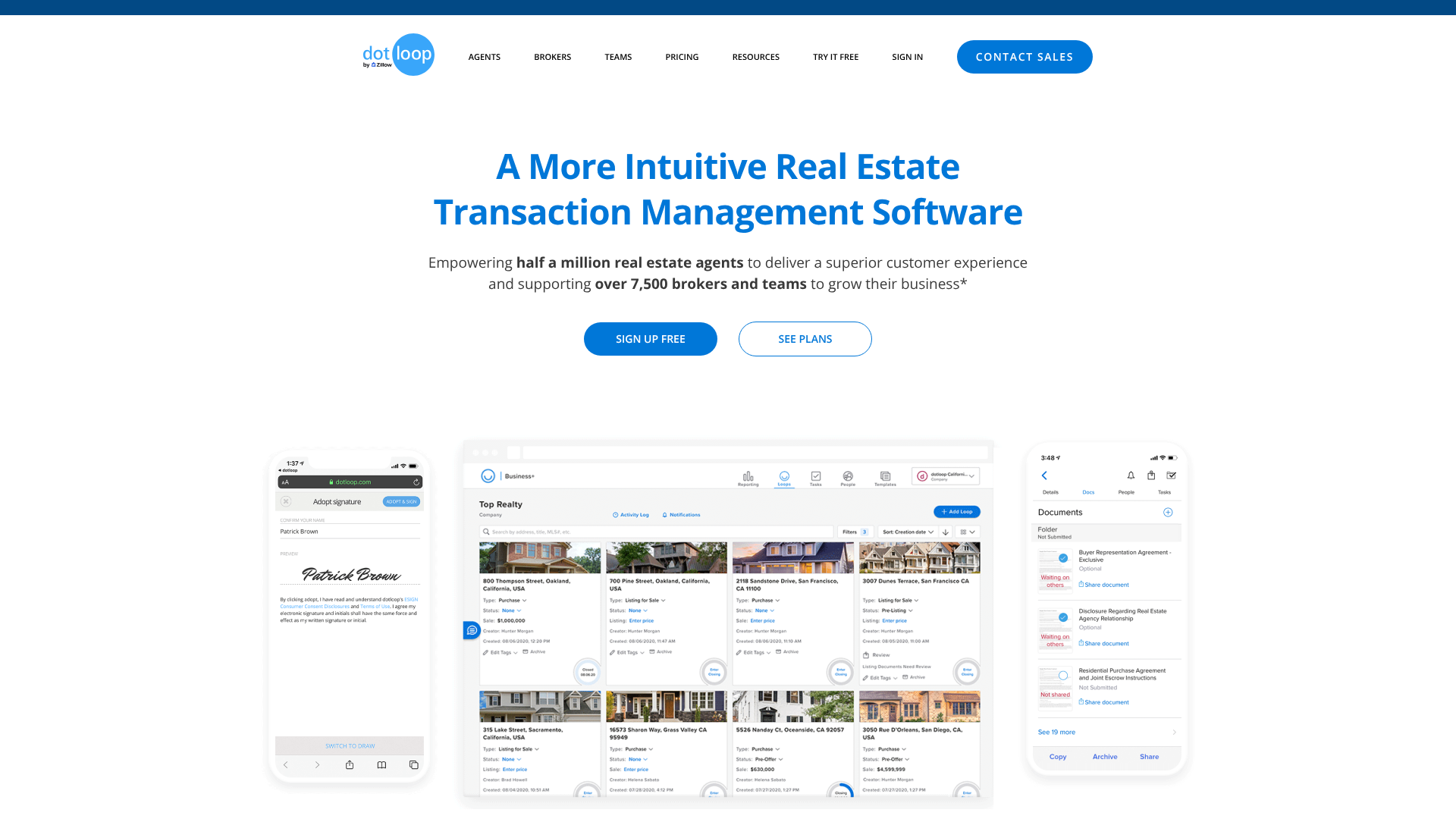
Platforms like Dotloop are essential for managing contracts and getting digital signatures. This means you can review and sign documents from your computer or phone, saving time and making the closing process significantly smoother and faster.
All-in-One Marketing and Sales Platforms
For sellers, an agent's marketing ability is paramount. Successful teams often use integrated platforms that combine a professional website, lead generation tools, and a CRM into one system. This allows them to create a powerful online presence for your listing and attract a wide pool of potential buyers.
All-in-one solutions like kvCORE or BoomTown help agents manage their entire business, from launching a sophisticated marketing campaign for a new listing to nurturing interest from potential buyers.
Pros and Cons: A Quick Salesperson vs Agent Comparison
Since the roles are functionally identical, this comparison looks at the pros and cons of the entry-level real estate professional role from both the agent's and the client's perspective.
Advantages of the Role
- Broker Supervision: For clients, this is a major benefit. Every transaction is overseen by an experienced managing broker, providing a safety net and an extra layer of expertise.
- Focus on Clients: Agents and salespersons can dedicate their full attention to serving clients, as they don't have the administrative burden of running a brokerage.
- Wide Selection: The lower barrier to entry for a salesperson license means there is a large and diverse pool of professionals for consumers to choose from.
Potential Drawbacks to Consider
- Varying Experience: The title doesn't indicate experience. A professional could be a brand-new licensee or a 20-year veteran. This is why vetting experience is so important.
- Dependence on Broker: An agent's actions and decisions can be limited by their broker's policies. While this provides oversight, it can sometimes reduce flexibility in negotiations or marketing.
Frequently Asked Questions (FAQ)
Here are answers to some of the most common questions about real estate professionals.
Is a real estate agent the same as a salesperson?
Yes, for all practical purposes, they are the same. "Real estate salesperson" is the official title on the state-issued license, while "real estate agent" is the common job title used to describe the role of representing clients. Both must work under a licensed broker.
Is it better to be a real estate salesperson or broker?
This depends on career goals. Being a salesperson (agent) is focused on working directly with clients to buy and sell homes. Becoming a broker is a step up that involves more training and responsibility, allowing a professional to own their own company and supervise other agents. For a client, working with an associate broker can be beneficial, as it indicates a higher level of experience and education.
How much does a real estate agent make off a $300,000 house?
Assuming a 6% total commission ($18,000), it would be split between the buyer's and seller's brokerages, giving each $9,000. If an agent has a 60/40 split with their broker, they would receive 60% of that $9,000, which is $5,400. From this gross commission, the agent must pay all their business expenses, including marketing, fees, insurance, and taxes.
What is the highest-paid position in real estate?
While top-producing residential agents in luxury markets can earn millions, the highest-paid positions are often in commercial real estate or real estate development. A commercial broker handling multi-million dollar transactions for office buildings or shopping centers can earn substantial commissions. Real estate developers who successfully manage large-scale projects from acquisition to completion often have the highest earning potential.
How many realtors fail in the first year?
Industry data often shows a high attrition rate. According to some NAR reports, a large percentage of new agents leave the industry within their first two years, with some estimates suggesting up to 87% leave within five years. This is often due to the challenges of a commission-only income, the high cost of starting and running a business, and the self-discipline required to succeed.
Final Thoughts: What Really Matters in Your Real Estate Journey
Ultimately, the debate over real estate salesperson vs real estate agent is a matter of semantics. For you, the consumer, the titles are interchangeable. The real markers of a quality professional are not found in their job title but in their actions, experience, and reputation.
When you're ready to buy or sell, ignore the terminology and focus on finding an experienced, knowledgeable, and communicative professional who is a member of the National Association of Realtors®. A Realtor® is committed to a higher ethical standard, which is invaluable in a transaction of this magnitude.
The best professionals leverage technology to enhance their service. When you're interviewing candidates, don't be afraid to ask what tools they use, like CRMs from Follow Up Boss or transaction platforms like Dotloop, to make your experience smoother. By focusing on what truly matters, you'll find a trusted advisor to guide you home.