








How to Become a Real Estate Agent: A Step-by-Step Guide for 2025
Starting a career in real estate can be an exciting and rewarding journey, offering flexibility, unlimited income potential, and the chance to help people with one of the biggest decisions of their lives. But understanding how to become a real estate agent involves more than just a passion for property; it requires dedication, education, and a strategic plan. This guide breaks down the entire process, from initial requirements to closing your first deal and building a sustainable business for the long term.
Whether you're a recent graduate, changing careers, or looking for a profession with more autonomy, the path to becoming a licensed agent is clear and achievable. We'll cover the essential educational requirements, the step-by-step licensing process, and the critical skills you'll need to thrive in a competitive market. Think of this as your complete roadmap to launching a successful real estate career.
What You'll Learn
- State-Specific Requirements: Every state has different rules. The first step is always to check your local real estate commission's website for specific age, education, and residency requirements.
- The Licensing Process: Becoming a real estate agent involves pre-licensing courses, passing a state-administered exam, undergoing a background check, and securing a sponsoring broker to activate your license.
- Choosing a Brokerage is Key: Your success as a new agent is heavily influenced by your brokerage. Look for one that offers strong training, mentorship, a supportive culture, and a fair commission structure.
- It's a Business, Not a Hobby: Successful agents treat their careers like a business from day one. This involves marketing, lead generation, networking, and continuous learning to stay ahead of market trends.
- Technology is Your Ally: Modern real estate runs on technology. Tools for transaction management, like Dotloop, and customer relationship management (CRM), like Follow Up Boss, are essential for efficiency and growth.
Is a Career in Real Estate Right for You? Understanding the Industry
Before diving into the licensing process, it's important to have a realistic understanding of the real estate industry. While TV shows often glamorize the profession with high-end properties and quick sales, the day-to-day reality is built on hard work, discipline, and building relationships. A career in real estate means you are an entrepreneur. You are your own boss, which comes with incredible freedom but also immense responsibility.
The income is typically 100% commission-based, meaning you don't get paid until a deal closes. This can be a significant adjustment if you're used to a steady paycheck. The first year is often the most challenging, as you build your client base and pipeline. It requires a financial cushion to cover living expenses and business costs before your first commissions start coming in.
Successful agents are self-starters, highly organized, and resilient in the face of rejection.
On the upside, the potential is limitless. Your income is directly tied to your effort and skill. You have the flexibility to set your own schedule, though evenings and weekends are often the busiest times, as that's when clients are available. The most rewarding part for many agents is the satisfaction of guiding clients through a major life milestone, helping them find a place to call home or make a sound investment.
The Core Requirements: What You Need Before You Start
Before you can enroll in courses or even think about the exam, you must meet a few fundamental prerequisites. While these vary slightly from state to state, the core requirements are generally consistent across the country. Think of these as the gatekeepers to the profession; you must satisfy them to move forward.



First, you must meet the minimum age requirement, which is typically 18 or 19 years old, depending on your state. You'll also need to be a legal U.S. resident. Second, you must have a high school diploma or its equivalent, like a GED.
A college degree is not required to become a real estate agent, which makes it an accessible career path for many people.
Finally, every state will require you to pass a criminal background check. This is a crucial step for consumer protection. Offenses involving fraud, dishonesty, or other moral turpitude can disqualify an applicant. It's best to be upfront about any potential issues in your past.
Some states have a process for reviewing cases individually, but it's essential to check your state's specific rules on this matter before investing time and money into the process.
Your Step-by-Step Guide to Getting a Real Estate License
Once you've confirmed you meet the basic requirements, you can begin the formal process of getting licensed. This is a structured path with several key milestones. Following these real estate agent steps carefully will ensure a smooth journey to becoming a licensed professional.
1. Research Your State's Specific Licensing Requirements
This is the most critical first step. Real estate is regulated at the state level, so the rules in California are different from those in Texas or New York. Your go-to source should be the official website for your state's real estate commission or licensing board. Search for "[Your State] Real Estate Commission" to find it.
Look for the number of pre-licensing education hours required (it can range from 40 to over 180), exam details, application fees, and any other state-specific mandates.
2. Complete Your Pre-Licensing Education
Every state requires aspiring agents to complete a certain number of hours of approved real estate education. These courses cover fundamental topics like real estate law, principles and practices, contracts, and finance. You can typically choose between in-person classes at a local real estate school or online courses that offer more flexibility. Online options have become increasingly popular, allowing you to study at your own pace.
Make sure any course you choose is accredited and approved by your state's licensing authority.
3. Pass the Real Estate Licensing Exam
After completing your coursework, the next hurdle is the licensing exam. The exam is usually divided into two parts: a national section covering general real estate principles and a state-specific section covering your state's unique laws and regulations. You must pass both sections to be eligible for a license. Most states require a score of 70-75% to pass.
Take this step seriously; many people need more than one attempt. Use practice exams, study guides, and review sessions to prepare thoroughly.
4. Submit Your Application and Complete a Background Check
With a passing exam score in hand, you can officially apply for your license. This involves submitting a formal application to your state's real estate commission, paying the required fees, and providing documentation of your pre-licensing education and exam results. You'll also need to submit your fingerprints for a criminal background check. This process can take several weeks, so be patient.
5. Find a Sponsoring Real Estate Brokerage
In nearly every state, a new real estate agent cannot work independently. You must hang your license with a licensed real estate brokerage under a managing broker. This broker is responsible for supervising your work and ensuring you comply with all laws and regulations. You cannot legally practice real estate until you are sponsored by a brokerage.
We'll cover how to choose the right one in the next section, as this decision is vital to your early success.
6. Join Professional Associations
While not always mandatory to practice, joining the National Association of REALTORS® (NAR) through your local chapter is a standard step. Membership allows you to use the title "REALTOR®," which signifies adherence to a strict Code of Ethics. It also grants you access to the Multiple Listing Service (MLS), the primary database of properties for sale that is essential for business. You'll also join your state and local associations.

Choosing Your Home Base: How to Select the Right Brokerage
Choosing a brokerage is one of the most important decisions you'll make in your early career. The right brokerage provides the training, support, and culture you need to thrive, while the wrong one can leave you feeling lost and unsupported. Don't rush this decision. Interview at least three to five different brokerages to compare what they offer.
First, consider the training and mentorship programs. A good brokerage invests heavily in its new agents. Look for structured training programs that go beyond exam prep and teach you the practical skills of lead generation, marketing, writing contracts, and conducting client meetings. A strong mentorship program that pairs you with an experienced agent can be invaluable for navigating your first few transactions.
Next, understand the financial arrangement. This includes the commission split—the percentage of the commission you keep versus what the brokerage takes. Splits can vary widely, from a traditional 50/50 to more generous splits for experienced agents. Also, ask about any fees, such as desk fees, technology fees, or transaction fees.
A lower split at a brokerage with excellent training might be more valuable in your first year than a high split at a firm with no support.
Finally, evaluate the company culture and the technology provided. Do you feel comfortable with the people you meet. Is the environment collaborative or competitive. Also, ask what technology they provide.
Do they offer a CRM, a website, and marketing tools. A brokerage that provides a modern tech stack can save you thousands of dollars in startup costs and help you operate more efficiently from day one.
Pro Tip: When interviewing brokerages, ask to speak with a few agents who have been with the company for about a year. Ask them about their experience with the training, the accessibility of the managing broker, and how long it took them to close their first deal. Their firsthand accounts will give you a much clearer picture than any recruiting pitch.
Building Your Foundation: Essential Skills for a Thriving Career
Passing the exam proves you know the rules, but it doesn't guarantee success. Thriving as a real estate agent requires a unique blend of hard and soft skills. These are the abilities you'll need to develop and hone throughout your career to build a loyal client base and a strong reputation.
Communication is at the top of the list. You must be an excellent listener to understand your clients' needs, wants, and fears. You also need to be a clear and timely communicator, keeping clients informed at every stage of the transaction. This includes difficult conversations, like advising a seller to lower their price or telling a buyer their offer was rejected.
Negotiation is another core competency. You will be your client's primary advocate, negotiating price, repairs, and other terms on their behalf. Strong negotiation skills are not about being aggressive; they're about finding creative, win-win solutions that protect your client's interests while keeping the deal together. This skill develops with experience, so seek out training and mentorship in this area.
Finally, you need to be highly organized and self-disciplined. As an independent contractor, you are responsible for managing your time, finances, and activities. This means creating a daily schedule, tracking your leads, managing your expenses, and holding yourself accountable for your goals. The agents who succeed are those who treat their career like a business and consistently execute their plan, even on days they lack motivation.
From Agent to Brand: Marketing Yourself in a Competitive Market
In real estate, you are the product. People choose to work with an agent they know, like, and trust. Therefore, marketing yourself and building a personal brand is not optional—it's essential for generating business. Your marketing efforts should start on day one and be a consistent part of your weekly activities.
Your first step is to inform your sphere of influence (SOI)—friends, family, past colleagues, and acquaintances—that you are now in the real estate business. This is often the source of an agent's first few deals. Don't be shy; send a personal email, make a phone call, and post on your social media channels. Ask them for their support and if they know anyone who might be thinking of buying or selling.
Next, establish a professional online presence. This includes a simple, professional website with your bio, contact information, and testimonials as you get them. You should also be active on at least one or two social media platforms where your target audience spends their time. Share valuable content about the local market, homeownership tips, and community events, not just listings.
The goal is to become a trusted resource for all things real estate.
As you start generating leads, a Customer Relationship Management (CRM) system becomes critical. A CRM helps you organize your contacts, track your interactions, and automate follow-up. Consistent follow-up is where most new agents fail. A tool like Follow Up Boss or LionDesk can help you build systems to nurture leads over time, ensuring that no opportunity falls through the cracks.
It's an investment in your business that pays for itself many times over.
The Art of the Deal: Understanding Transactions and Contracts
Guiding a client through a real estate transaction is your primary job. Understanding the lifecycle of a deal and the dozens of pages of contracts involved is crucial for protecting your clients and yourself. Your pre-licensing courses provide the foundation, but your brokerage training is where you'll learn the practical application.
A typical transaction has several key phases: the offer, the inspection period, the appraisal, the loan underwriting, and the closing. Each phase has its own set of documents, deadlines, and potential pitfalls. Your role is to act as the project manager, coordinating with the other agent, the lender, the title company, the inspector, and your client to keep everything on track.
Contracts are legally binding documents, and mistakes can have serious consequences. You must have a meticulous eye for detail. Never be afraid to ask your broker or a mentor to review a contract before your client signs it. As you gain experience, you'll become more familiar with the standard clauses, addendums, and disclosures in your market.
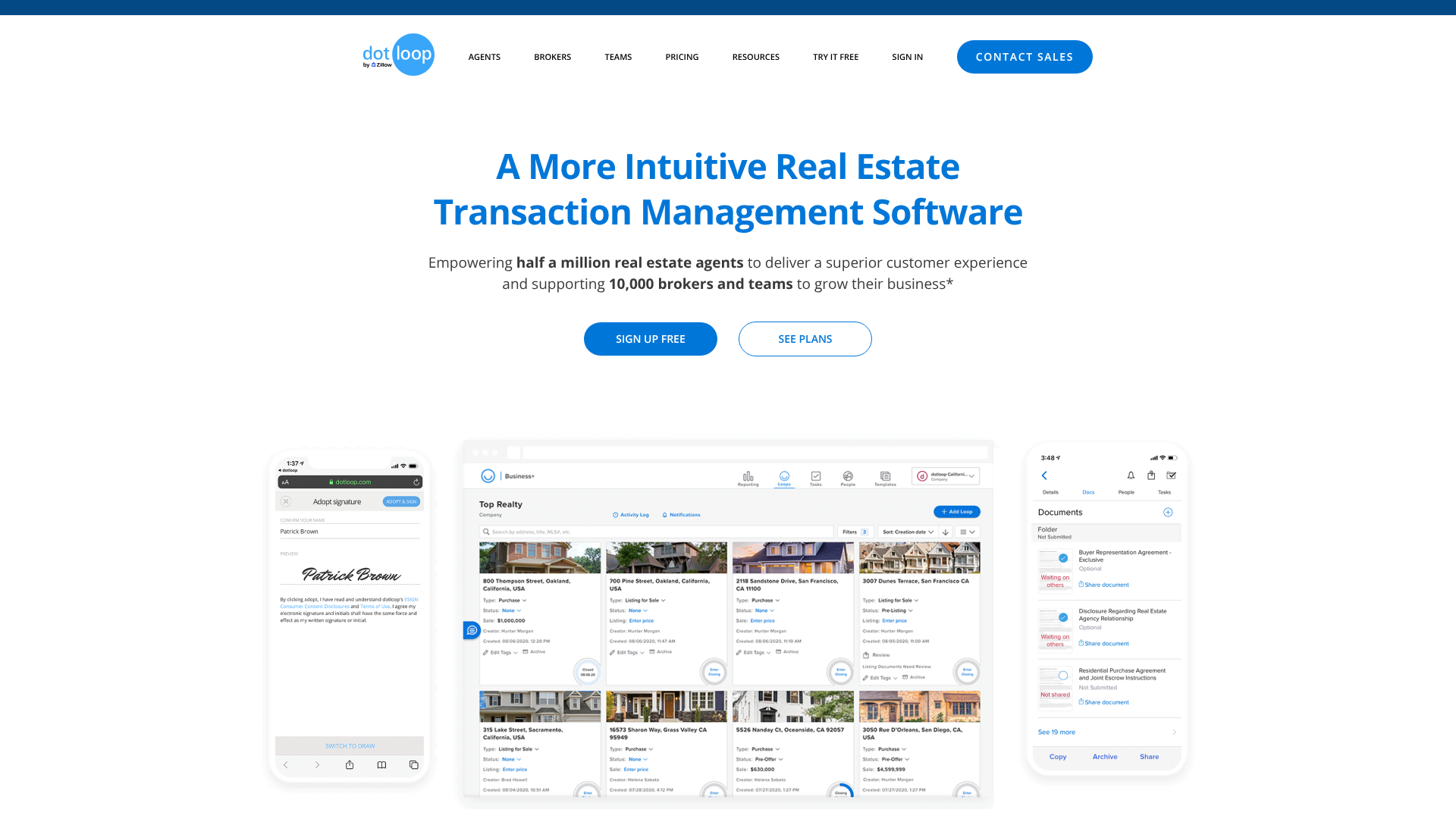
Tools for transaction management have become standard in the industry. A platform like Dotloop allows you to manage all your documents digitally, collect electronic signatures, and maintain a complete audit trail, which streamlines the process and reduces paperwork errors.
Growing Your Expertise: Continuing Education and Professional Development
Getting your license is just the beginning of your education. The real estate market, laws, and technology are constantly changing, and the best agents are committed to lifelong learning. Every state requires agents to complete a certain number of continuing education (CE) hours to renew their license, typically every two to four years. These courses cover topics like ethics, legal updates, and fair housing.
Beyond the mandatory CE, seek out opportunities for professional development that can set you apart. The National Association of REALTORS® and its affiliates offer numerous certifications and designations in specialized areas. For example, you could earn the Graduate, REALTOR® Institute (GRI) designation for in-depth market knowledge or become an Accredited Buyer's Representative (ABR®). These credentials not only increase your knowledge but also enhance your credibility with clients.
Joining industry groups, attending conferences, and listening to real estate podcasts are also great ways to stay informed. The more you know about market trends, new marketing strategies, and economic factors affecting housing, the more valuable you become to your clients. Your expertise is a key differentiator in a crowded field.
Pro Tip: Find a niche early in your career. Instead of trying to be a generalist, become the go-to expert for a specific type of client (like first-time homebuyers or investors), property type (like condos or historic homes), or neighborhood. Specializing makes your marketing more effective and helps you build a strong reputation faster.
Navigating the Market: Tips for Your First Year and Beyond
Your first year in real estate is a steep learning curve. It's a period of building habits, gaining confidence, and learning from mistakes. The key to surviving and thriving is to have a plan and be resilient. One of the best things you can do is find a mentor—an experienced agent who is willing to answer your questions and offer guidance.
Their advice can help you avoid common rookie mistakes.
It's also crucial to manage your finances wisely. Because income can be unpredictable, it's recommended to have at least six months of living expenses saved before you start. When you do start earning commissions, set aside a portion of every check for taxes (since you're an independent contractor) and for reinvesting in your business. Create a business budget and track your expenses carefully.
Set realistic goals for your first year. Don't compare yourself to top producers who have been in the business for decades. Focus on learning the fundamentals, providing excellent service to your first few clients, and building a solid foundation. Celebrate small wins, like generating a new lead or getting a signed buyer's agreement.
Real estate is a marathon, not a sprint, and a positive mindset is one of your most powerful assets.
Building a Powerful Professional Network
Real estate is a relationship business, and that extends beyond your clients. Building a strong network of other professionals is essential for providing comprehensive service and generating referral business. These relationships are mutually beneficial and a cornerstone of a successful real-estate agent guide to long-term success.
Your network should include a few trusted mortgage lenders, home inspectors, title company representatives, and real estate attorneys. When your clients need these services, you can refer them to reliable partners, which makes the process smoother and reflects well on you. In return, these professionals can become a great source of client referrals for you.
Don't limit your networking to just real estate-adjacent fields. Get involved in your local community. Join the Chamber of Commerce, a local business networking group, or a community service organization. The more people who know you and what you do, the more opportunities will come your way.
The goal is to become a well-known and respected member of your community, not just another real estate agent.

Frequently Asked Questions (FAQ)
How to make $100,000 your first year in real estate?
Making $100,000 in your first year is ambitious but possible. It requires a detailed business plan, disciplined execution, and a bit of luck. You would need to calculate the average home price and commission in your area to determine how many transactions you need to close. For example, if the average commission you earn per deal is $7,500, you'd need to close about 13-14 deals.
This means focusing intensely on lead generation activities like open houses, calling your sphere of influence, and networking from day one.
How much does it cost to get a real estate license in CA?
In California, the total cost to get a real estate license typically ranges from $500 to $1,000. This includes the cost of the required 135 hours of pre-licensing courses (which can vary significantly depending on the school), the $60 salesperson exam fee, the $245 license application fee, and the cost of fingerprinting for the background check. This does not include the costs of joining a local REALTOR® association and the MLS, which can add several hundred dollars more.
Is it hard making money as a real estate agent?
Yes, it can be very challenging, especially in the first one to two years. The industry has a high turnover rate because many new agents underestimate the difficulty of building a client base from scratch. Income is inconsistent, and it takes time to build a steady stream of business. Success depends on your ability to generate leads, manage your finances, and stay motivated through slow periods.
Those who treat it like a serious business and work consistently are the most likely to succeed.
How much do real estate agents make off a $300,000 house?
The total commission on a $300,000 house is typically 5-6%, which would be $15,000 to $18,000. This amount is first split between the buyer's brokerage and the seller's brokerage (usually 50/50). So, each brokerage receives $7,500 to $9,000. From that amount, the agent gets their share based on their commission split with their broker.
If an agent has a 60/40 split, they would receive 60% of that $7,500, which is $4,500, before taxes and business expenses.
What is the 80/20 rule for realtors?
The 80/20 rule, or Pareto Principle, suggests that in real estate, roughly 80% of your business will come from 20% of your clients or activities. This highlights the importance of identifying what works and focusing your energy there. It could mean that 20% of your marketing efforts generate 80% of your leads, or that 20% of your past clients provide 80% of your referrals. Successful agents constantly analyze their business to focus on that critical 20%.
Is real estate a good side hustle?
While it's possible, treating real estate as a side hustle is very difficult. The job requires significant time commitment, especially when working with clients, who often need to see homes on evenings and weekends. Being available to show properties, answer calls, and handle issues as they arise is crucial. Most successful agents work full-time, as it's hard to provide the level of service clients expect on a part-time basis.
Final Thoughts
Becoming a realtor is a process that demands commitment, but it offers the potential for a deeply fulfilling and financially rewarding career. The journey begins with understanding your state's requirements and completing the necessary education, but true success is built on a foundation of strong skills, consistent marketing, and a dedication to client service.
Remember that your brokerage choice will significantly shape your early career, so prioritize training and support. As you grow, focus on building a strong professional network and never stop learning. The path isn't easy, but for those with an entrepreneurial spirit and a passion for helping people, a career in real estate can be the perfect fit.