








How to Become a Real Estate Agent: A 7-Step Guide for Beginners
Starting a career in real estate offers a unique combination of flexibility, autonomy, and the potential for significant income. Unlike a traditional 9-to-5 job, you are the CEO of your own business. However, the path to becoming a real estate agent involves specific legal requirements, financial investment, and a strong entrepreneurial drive. This guide breaks down the entire process into clear, manageable steps to help you launch your new career with confidence.
This isn't just about passing an exam; it's about building a sustainable business from the ground up. We'll cover everything from the initial pre-licensing courses and state exams to the critical decision of choosing the right brokerage and the strategies you need to succeed in your first year. Whether you're looking for a career change or starting your professional journey, here’s what you need to know.
What to Know
- State Requirements are Key: The first and most important step is to understand your specific state's requirements for age, education, and background checks, as these rules vary significantly across the country.
- Licensing is a Multi-Step Process: Becoming a licensed agent involves completing pre-licensing education, passing a state-administered exam, and undergoing a background check before you can legally practice.
- Choosing a Brokerage is Crucial: You cannot work independently as a new agent. You must join a sponsoring brokerage that will oversee your work, and your choice of brokerage heavily influences your training, support, and initial success.
- Budget for Startup Costs: Beyond course and exam fees, you'll need to budget for licensing fees, association dues, marketing materials, and technology, which can total several thousand dollars.
- Success is Not Overnight: The first year is often the most challenging. Building a client base and generating a consistent income takes time, discipline, and proactive lead generation efforts.
What Does a Real Estate Agent Actually Do?
Many people picture real estate agents spending their days touring beautiful homes and cashing large commission checks. While showing properties is part of the job, it's only a small piece of a much larger puzzle. A successful real estate agent is a business owner, a marketer, a negotiator, a project manager, and a community expert all rolled into one.
The core of the job is lead generation. You can't sell houses if you don't have clients. This means a significant portion of your time, especially early on, is dedicated to prospecting. This includes activities like calling your sphere of influence (friends, family, past colleagues), networking at local events, hosting open houses, and managing online marketing campaigns.
Once you have a client, your role shifts. For sellers, you'll conduct a market analysis to price their home correctly, advise on staging, market the property across various channels, and manage showings. For buyers, you'll help them get pre-approved for a mortgage, find properties that meet their criteria, and guide them through viewings. For both, you become a skilled negotiator, handling offers and counteroffers to secure the best possible deal.
The administrative side is also substantial, involving drafting contracts, managing deadlines, and coordinating with lenders, inspectors, and attorneys to ensure a smooth closing. It's a dynamic career that demands a wide range of skills.

The Key Benefits of a Real Estate Career
Despite the hard work, a career in real estate offers compelling advantages that draw thousands of new professionals each year. One of the most significant benefits is the potential for unlimited income. Unlike salaried positions, your earnings are directly tied to your efforts. The more deals you close, the more you make, with no cap on your potential.



Flexibility is another major draw. While you'll certainly work long hours, including nights and weekends, you have a high degree of control over your schedule. You can set your own appointments, decide which clients to work with, and structure your workday around your life, not the other way around. This autonomy makes it an attractive option for those who thrive on independence and want to escape the traditional corporate structure.
Finally, the work itself can be incredibly rewarding. You play a pivotal role in one of the biggest financial and emotional decisions of a person's life. Guiding a first-time homebuyer through the process or helping a growing family find their dream home provides a deep sense of purpose and satisfaction. You're not just selling property; you're helping people build their futures and become part of a community.
Your Step-by-Step Guide to Getting Licensed
Navigating the licensing process can seem complicated, but it's a well-defined path. By breaking it down into sequential steps, you can tackle it efficiently. Here is the roadmap every aspiring agent must follow.
Step 1: Understand Your State's Requirements
This is the critical first step. Real estate is regulated at the state level, and the requirements can differ dramatically. Before you spend a dollar or an hour on training, you must visit your state's real estate commission website to find the official guidelines. Key requirements typically include:
- Age: Most states require you to be at least 18 or 19 years old.
- Residency: You usually need to be a legal resident of the state in which you are applying for a license.
- Education: A high school diploma or GED is a standard prerequisite.
Look for the specific number of pre-licensing education hours required, exam eligibility rules, and any disqualifying criminal offenses. The Association of Real Estate License Law Officials (ARELLO) maintains a directory of regulatory agencies, which is a great place to start your research.
Step 2: Complete Your Pre-Licensing Education
Every state requires you to complete a specific number of hours of approved real estate education. This can range from as little as 40 hours to over 180 hours, depending on the state. These courses are designed to teach you the fundamentals of real estate principles, laws, and practices.
Topics covered often include:
- Real property law and ownership rights
- Contracts and agency law
- Real estate finance and appraisal basics
- Fair housing laws and ethical practices
You can typically choose between in-person classes at a local real estate school or online courses that offer more flexibility. Online options have become increasingly popular, allowing you to study at your own pace. Ensure any course you choose is accredited and approved by your state's real estate commission.
Step 3: Pass the Real Estate Licensing Exam
After completing your coursework, the next hurdle is the licensing exam. The exam is typically divided into two sections: a national portion and a state-specific portion. The national section covers general real estate principles and practices that are universal across the U.S. The state-specific section tests your knowledge of local laws, regulations, and statutes that are unique to your state.
You'll need to achieve a passing score on both sections to be eligible for a license. Passing scores typically range from 70% to 75%. Don't underestimate the difficulty of this exam. Many people need more than one attempt to pass, so dedicated study is essential.
Use practice exams, flashcards, and study groups to prepare thoroughly.
Step 4: Undergo a Background Check and Fingerprinting
Public trust is paramount in the real estate industry. To ensure agents are honest and trustworthy, nearly every state requires applicants to pass a criminal background check. This process typically involves submitting your fingerprints to your state's law enforcement agency and the FBI.
Certain felonies or crimes involving moral turpitude can disqualify you from receiving a license. If you have any concerns about your record, it's best to address them with the state commission early in the process to understand if it will impact your eligibility.
Step 5: Find a Sponsoring Brokerage to Join
As a new real estate agent (also known as a salesperson or associate broker), you cannot operate independently. You must work under the supervision of a licensed managing broker. This means you need to find a brokerage to "hang your license" with before your license can be activated.
This is one of the most important decisions you'll make for your career. The right brokerage provides the training, mentorship, and support system you need to succeed. Start interviewing brokerages while you're studying for your exam so you can hit the ground running once you pass. We'll cover how to choose the right one in more detail later.
The Financial Reality: Costs of Becoming an Agent
While the income potential is high, starting a career in real estate requires a significant upfront financial investment. It's crucial to budget for these expenses, as you likely won't earn a commission check for your first three to six months in the business. Costs vary by state, but here is a general breakdown of what to expect.
| Expense Category | Estimated Cost Range (USD) | Description |
|---|---|---|
| Pre-Licensing Course | $200 – $1,000 | Varies based on online vs. in-person and the provider. |
| Exam Fee | $100 – $300 | Covers the cost to sit for the state and national exams. |
| License Application Fee | $50 – $250 | A one-time fee paid to the state commission to issue your license. |
| Background Check/Fingerprinting | $40 – $100 | Fee for processing your criminal background check. |
| Association Dues | $200 – $700+ (Annual) | To become a REALTOR®, you must join the local, state, and National Association of REALTORS®. |
| MLS Fees | $100 – $500+ (Quarterly/Annual) | Access to the Multiple Listing Service (MLS) is essential for listing and finding properties. |
| Business Startup Costs | $1,000 – $3,000+ | Includes marketing materials, website, lockbox key, insurance, and office supplies. |
In total, you should plan to spend between $1,500 and $5,000 in your first year just to get your business off the ground. It's wise to have at least six months of personal living expenses saved up to support yourself while you build your client base.
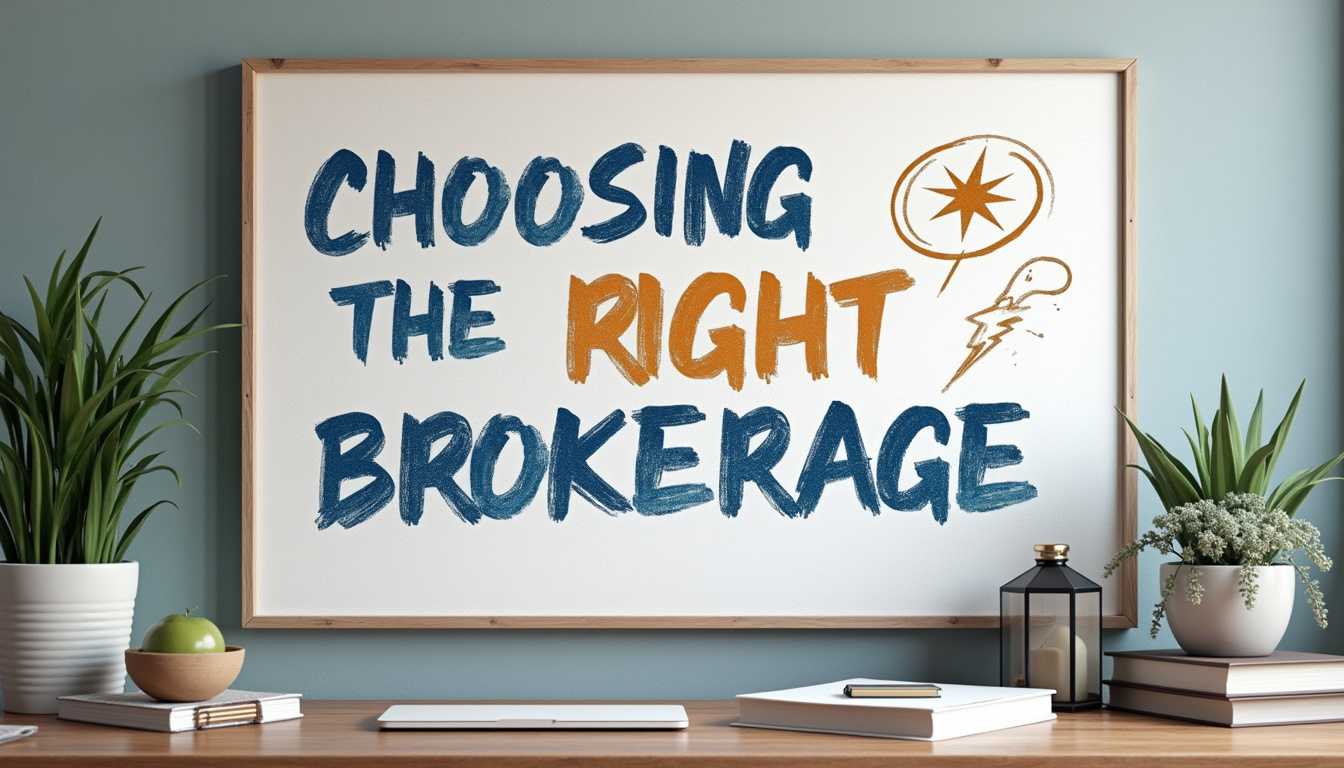
Choosing the Right Brokerage: Your Career Launchpad
Your choice of brokerage is more than just a legal requirement; it's the foundation of your new career. The right firm will provide the tools, training, and culture to help you thrive, while the wrong one can leave you feeling lost and unsupported. Don't rush this decision. Interview at least three to five different brokerages to find the best fit.
Here are the key factors to consider:
- Training and Mentorship: This is the most important factor for a new agent. Does the brokerage offer a structured training program? Will you be assigned a mentor to guide you through your first few transactions? Strong training is non-negotiable.
- Commission Splits and Fees: Understand how you'll be paid. Brokerages have different models, from traditional splits (e.g., 50/50, 60/40) to cap models where you keep 100% of your commission after paying a certain amount to the brokerage. Also, ask about monthly desk fees, technology fees, and transaction fees.
- Technology and Tools: Modern real estate runs on technology. Ask what the brokerage provides. This can include a website, a Customer Relationship Management (CRM) system, and transaction management software. Many brokerages provide powerful platforms like kvCORE, while others expect you to find your own tools. A good CRM like Follow Up Boss is essential for managing your client pipeline from day one.
- Company Culture: Find a workplace where you feel comfortable. Are the agents collaborative or competitive? Is the atmosphere energetic and supportive? Attend a team meeting or office event to get a feel for the culture.
Pro Tip: When interviewing, ask to speak with a few agents who have been with the brokerage for less than a year. Their experience will give you the most realistic picture of the support and training a new agent actually receives.
The First 90 Days: Setting Yourself Up for Success
Congratulations, you're licensed! Now the real work begins. The first three months are critical for building momentum and establishing good habits that will define your career. Don't wait for the phone to ring; you need to make it ring.
Your primary focus should be on lead generation and building your database. Start with your Sphere of Influence (SOI)—everyone you know. Call, text, and email them to announce your new career. Don't ask for business directly; instead, offer value.
Let them know you're a resource for any real estate questions they might have.
Next, create a simple business plan. Define your income goals and work backward to determine how many conversations, appointments, and closings you need to hit them. A solid tech stack is crucial for this. Your brokerage may provide some tools, but you'll need to master them.
A CRM is your business's brain; tools like LionDesk or Wise Agent help you track every interaction. For handling the mountain of paperwork, a transaction management system like Dotloop is invaluable for keeping documents organized and compliant.
Finally, become a student of your local market. Tour new listings, attend open houses, and study market statistics. When a potential client asks about a neighborhood, you need to be able to answer with confidence and authority. Your knowledge is your value.
Weighing the Career: Pros and Cons of Being a Real Estate Agent
Like any entrepreneurial venture, being a real estate agent has its highs and lows. A realistic understanding of both sides can help you decide if this career is truly the right fit for you.
Pros
- Entrepreneurial Freedom: You are in control of your business, from your branding and marketing to the clients you choose to serve. Your success is a direct result of your own efforts.
- Unlimited Earning Potential: There is no ceiling on how much you can earn. Top-producing agents can make well into six or even seven figures annually.
- Flexible Schedule: You can set your own hours, allowing you to balance work with family and other personal commitments. This autonomy is a major benefit for self-starters.
- Fulfilling Work: Helping people with one of the most significant transactions of their lives is deeply rewarding. You build lasting relationships and become a trusted advisor.
Cons
- Irregular and Unpredictable Income: You are paid on commission, which means your income can fluctuate dramatically. It can take months to close your first deal, and you must be financially prepared for dry spells.
- Long Hours and Weekend Work: While your schedule is flexible, it's not a part-time job. You must be available when your clients are, which often means working evenings and weekends.
- High Stress and Emotional Toll: You're dealing with high-stakes financial transactions and emotional clients. Deals can fall apart at the last minute, which can be incredibly stressful.
- Highly Competitive Industry: There are a lot of licensed agents competing for a limited number of clients. You must constantly work to stand out and prove your value.
Frequently Asked Questions
Is it difficult to become a real estate agent?
The process of becoming an agent is more about diligence than difficulty. The pre-licensing coursework requires dedicated study time, and the exam can be challenging if you don't prepare properly. However, millions of people have successfully navigated the process. The real difficulty lies not in getting the license, but in building a successful business afterward.
The sales, marketing, and networking skills required to thrive are what truly test new agents.
How much does it cost to get a real estate license?
The total startup cost typically ranges from $1,500 to $5,000, depending on your state and the choices you make. This includes pre-licensing education ($200-$1,000), exam and licensing fees ($150-$550), and initial business expenses. The largest variable costs are association/MLS dues and your initial marketing and technology investments. It's essential to have these funds ready before you begin.
How can I make $100,000 in my first year in real estate?
While not typical, it is possible. Achieving this requires an aggressive and disciplined approach from day one. You need a solid business plan, a commitment to daily lead generation (at least 2-3 hours per day), and a strong mentor or coach. Focus on low-cost, high-impact activities like calling your sphere of influence, hosting open houses for other agents, and networking in your community.
You must treat it like a full-time job from the start and be prepared to work 50-60 hours a week.
How many realtors fail in the first year?
Industry statistics often cited by sources like the National Association of REALTORS® suggest that a high percentage of new agents—some estimates say up to 87%—leave the industry within five years. Many fail in the first one to two years. The primary reasons for this high failure rate are a lack of financial preparedness for the slow start, an underestimation of the lead generation effort required, and choosing a brokerage that doesn't provide adequate training and support.
Final Thoughts: Is a Real Estate Career Right for You?
Becoming a real estate agent is a journey that offers immense rewards for those with the right mindset and work ethic. It's a career that gives you the keys to your own business, with the freedom to build it as you see fit and the potential to achieve financial independence. The process is straightforward: meet your state's requirements, complete the education, pass the exam, and join a brokerage.
However, the license is just the beginning. True success in real estate is built on self-discipline, resilience, and a genuine passion for helping people. It requires you to be a marketer, a negotiator, a problem-solver, and a constant learner. If you are prepared for the initial challenges and excited by the prospect of building something of your own, a career in real estate could be the most rewarding decision you ever make.