









12 Best Real Estate Tools for Agents to Boost Sales in 2026
In real estate, your time is your most valuable asset. Juggling client communications, lead follow-ups, marketing campaigns, and endless paperwork can feel like a constant battle. The key to winning this battle isn't working harder; it's working smarter. The right collection of real estate tools for agents can automate tedious tasks, streamline your workflow, and give you back the hours you need to focus on what truly matters: building relationships and closing deals.
But with hundreds of options on the market, from all-in-one platforms to specialized apps, choosing the right software can be overwhelming. This guide cuts through the noise. We'll break down the essential categories of tools, review the top contenders for 2026, and give you a clear framework for building a tech stack that fuels your business growth.
What You'll Learn
- CRMs are Non-Negotiable: A Customer Relationship Management (CRM) system is the foundational tool for any successful agent, acting as a central hub for all client data and communication.
- All-in-One vs. Specialized: All-in-one platforms offer convenience and can be cost-effective, while specialized (best-in-class) tools provide deeper functionality for specific tasks like lead nurturing or transaction management.
- Integration is Key: The best tools work together. Before committing, ensure your chosen software can connect with the other systems you rely on to avoid creating data silos.
- Focus on Your Needs: The perfect tech stack is unique to your business. Your decision should be based on your budget, team size, lead sources, and specific business goals, not just popular trends.
What Are Real Estate Tools for Agents? (And Why They Matter)
At its core, the term "real estate tools for agents" refers to any software, application, or digital platform designed to help professionals manage and grow their business. This can range from a sophisticated CRM that tracks every client interaction to a simple app for creating social media graphics. In the past, agents relied on rolodexes, day planners, and filing cabinets. Today, digital tools have replaced these analog systems, offering efficiency and capabilities that were once unimaginable.
The primary purpose of these tools is to solve common problems agents face daily. They bring organization to the chaos of lead management, automate repetitive communication, ensure legal compliance in transactions, and amplify marketing reach. For example, instead of manually sending follow-up emails to new leads, a CRM can trigger an automated email and text message sequence, ensuring no opportunity falls through the cracks.
Ultimately, these agent tools for real estate matter because they provide a competitive edge. In a crowded market, the agent who responds fastest, stays top-of-mind with consistent communication, and delivers a smooth client experience is the one who wins. Technology is the engine that powers this level of service, allowing a solo agent to operate with the efficiency of a small team and enabling large teams to coordinate their efforts effectively.
Key Features to Look for in Real Estate Agent Tools
When evaluating different software, it's easy to get lost in a long list of features. To simplify the process, focus on the core functionalities that will have the most significant impact on your daily operations. A great tool should feel like an extension of your business, making your job easier, not more complicated.
Lead Management & Nurturing
This is arguably the most critical function of any real estate CRM. Strong lead management features allow you to capture, organize, and track potential clients from various sources like Zillow, your website, or social media. Look for features like automatic lead routing for teams, lead scoring to prioritize the hottest prospects, and customizable pipelines to visualize where each lead is in their journey. Effective nurturing tools, such as automated email drips and task reminders, ensure you maintain consistent contact over the long sales cycles common in real estate.
Transaction Management
Once a lead becomes a client, the focus shifts to managing the transaction. The best tools for real estate agents in this category provide a centralized location for all documents, deadlines, and communications related to a deal. Key features include secure document storage, e-signature capabilities to get contracts signed from anywhere, and compliance checklists to ensure all necessary paperwork is completed and reviewed. This not only saves time but also reduces the risk of costly errors.



Marketing Automation
Growing your business requires consistent marketing, and automation tools make this manageable. Look for platforms that allow you to create and schedule email marketing campaigns, post to social media accounts, and even generate single-property websites. Some advanced systems, like kvCORE, include features like built-in IDX websites that capture leads directly from property searches. The goal is to create a marketing machine that works for you in the background, generating awareness and leads while you focus on clients.
Analytics and Reporting
How do you know if your efforts are paying off? Strong analytics and reporting features provide the answer. A good platform should offer clear dashboards that show your most important metrics at a glance. You should be able to track where your best leads are coming from, what your conversion rates are, and how your sales pipeline is progressing. This data is invaluable for making informed business decisions, such as where to invest your marketing budget for the highest return on investment (ROI).
How to Choose the Right Tech Stack for Your Business

Building your tech stack is a personal process; what works for a top-producing team in a major city might be overkill for a solo agent in a rural market. Instead of chasing the newest, shiniest object, take a strategic approach to selecting the tools that will best serve your unique business needs.
1. Assess Your Current Needs and Pain Points
Start by identifying your biggest challenges. Are you losing leads because your follow-up is inconsistent? Is paperwork slowing down your transactions? Are you struggling to create professional marketing materials? Make a list of your top three to five pain points. This list will become your guide, helping you prioritize tools that solve real problems rather than just adding another subscription to your monthly expenses.
2. Consider Your Budget
Real estate software pricing varies dramatically, from less than $50 per month for a basic CRM to thousands for an all-in-one enterprise platform. Be realistic about what you can afford. Many companies offer different pricing tiers, so you can often start with a more affordable plan and upgrade as your business grows. Don't forget to ask about setup fees, long-term contract requirements, and the cost of any add-ons you might need.
Pro Tip: Many software providers offer free trials or live demos. Always take advantage of these opportunities. Using a tool for a week or two is the best way to determine if its workflow and features are a good fit for you before you commit financially.
3. Prioritize Integration Capabilities
Your tools should work together as a cohesive system. If your CRM doesn't connect with your transaction management software, you'll be stuck doing double data entry, which defeats the purpose of using technology to be more efficient. Look for tools that offer direct integrations with other popular platforms or connect through a service like Zapier. A well-integrated tech stack saves time and ensures your data is consistent across all systems.
4. Look for Scalability
Choose tools that can grow with you. A platform that's perfect for you as a solo agent might not have the features you need when you hire your first assistant or build a team. Look for software that offers plans with advanced features like lead routing, team dashboards, and agent accountability reporting. Investing in a scalable solution from the start can save you the major headache of migrating all your data to a new system down the road.
Top 12 Real Estate Tools for Agents in 2026
Here are our top picks for the software and platforms that can help you streamline your operations and grow your business this year. We've broken them down by category to help you find the best solution for your specific needs.
All-in-One Platforms
These platforms aim to be a complete business solution, combining a CRM, website, lead generation, and marketing automation into a single system.
1. kvCORE
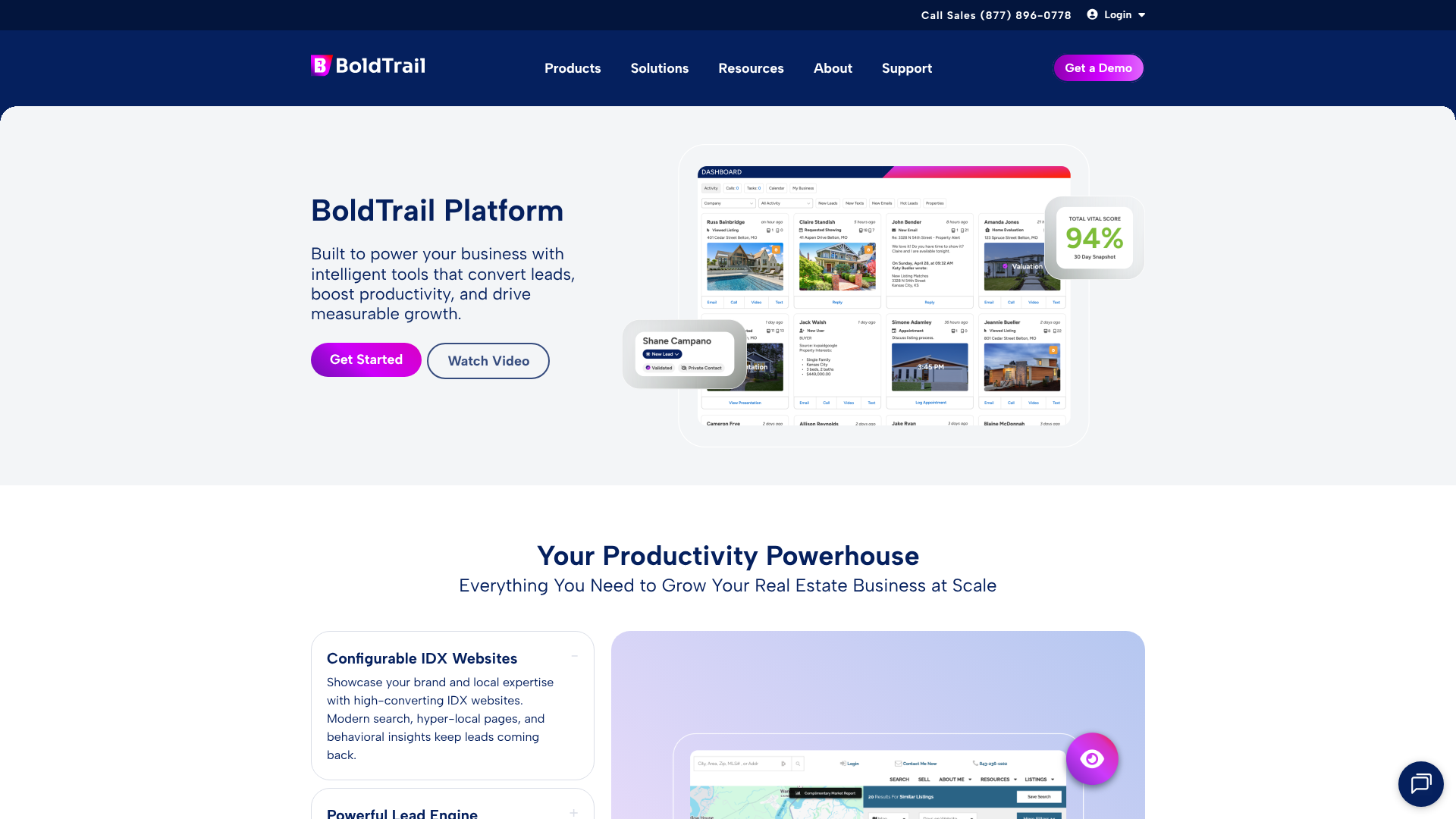
kvCORE is a powerhouse platform designed for brokerages and teams that want a fully integrated solution. It provides agents with a customizable IDX website, a robust CRM, and a suite of marketing tools. Its behavioral automation is a standout feature, tracking user activity on your site and triggering automated follow-ups based on their actions, like viewing a property multiple times.
Pros
- Comprehensive, all-in-one feature set reduces the need for other tools.
- Powerful lead generation tools, including a built-in auto-dialer and landing page creator.
- Smart CRM automatically nurtures leads based on their online behavior.
Cons
- Can be more expensive, often sold at the brokerage level rather than to individual agents.
- The sheer number of features can have a steep learning curve.
2. BoomTown
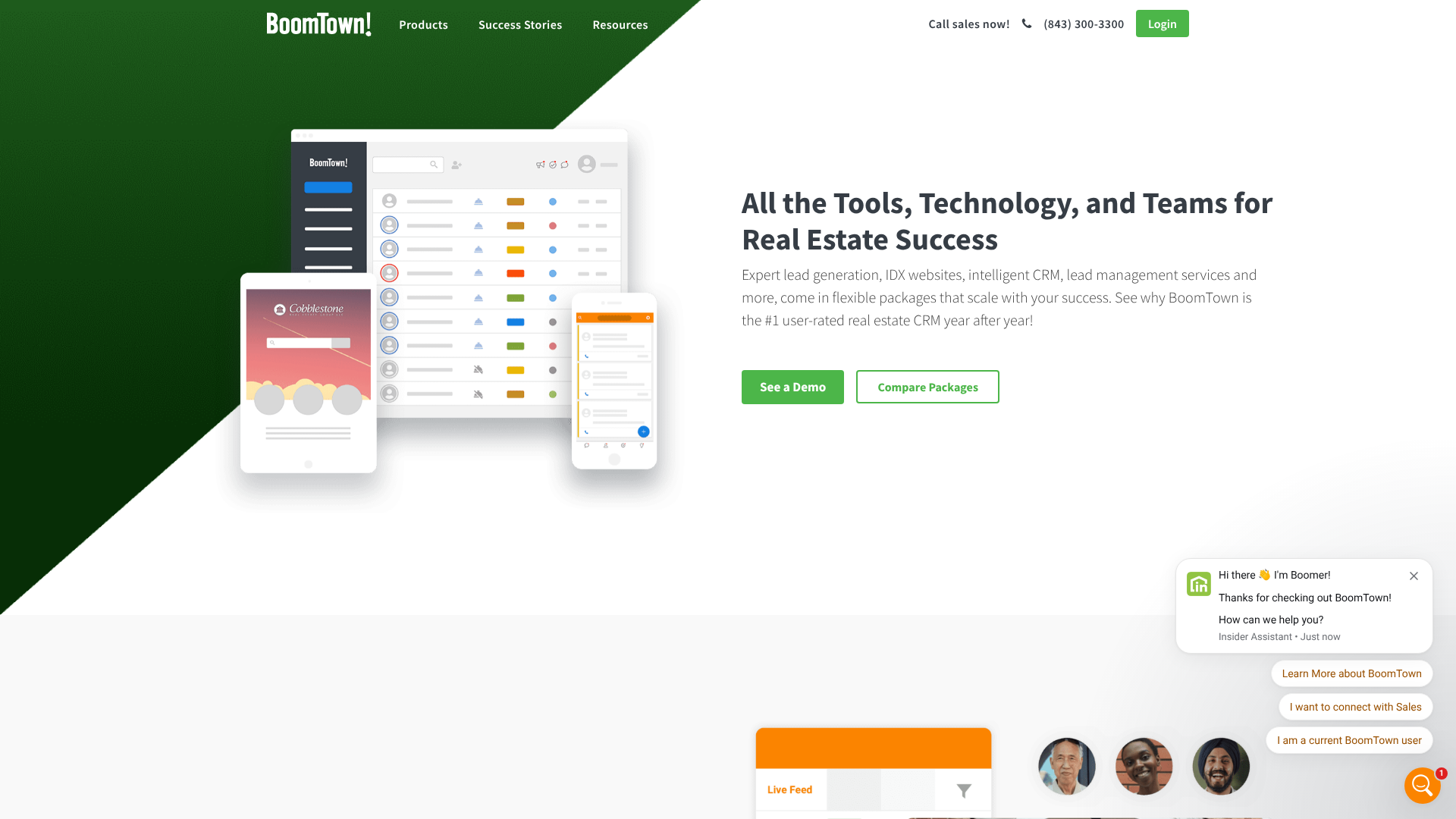
BoomTown is another leading all-in-one platform with a strong focus on lead generation and conversion. It's particularly popular with high-performing teams. The platform excels at paid lead generation (PPC) and provides predictive CRM technology that tells agents which leads to contact and when. Its reporting features are excellent for team leaders who need to track agent productivity and ROI.
Pros
- Best-in-class lead generation and management services.
- Predictive CRM helps agents focus on the most promising opportunities.
- Mobile app is intuitive and makes it easy to work on the go.
Cons
- One of the more expensive options on the market.
- Some users find the website customization options to be limited.
3. Chime
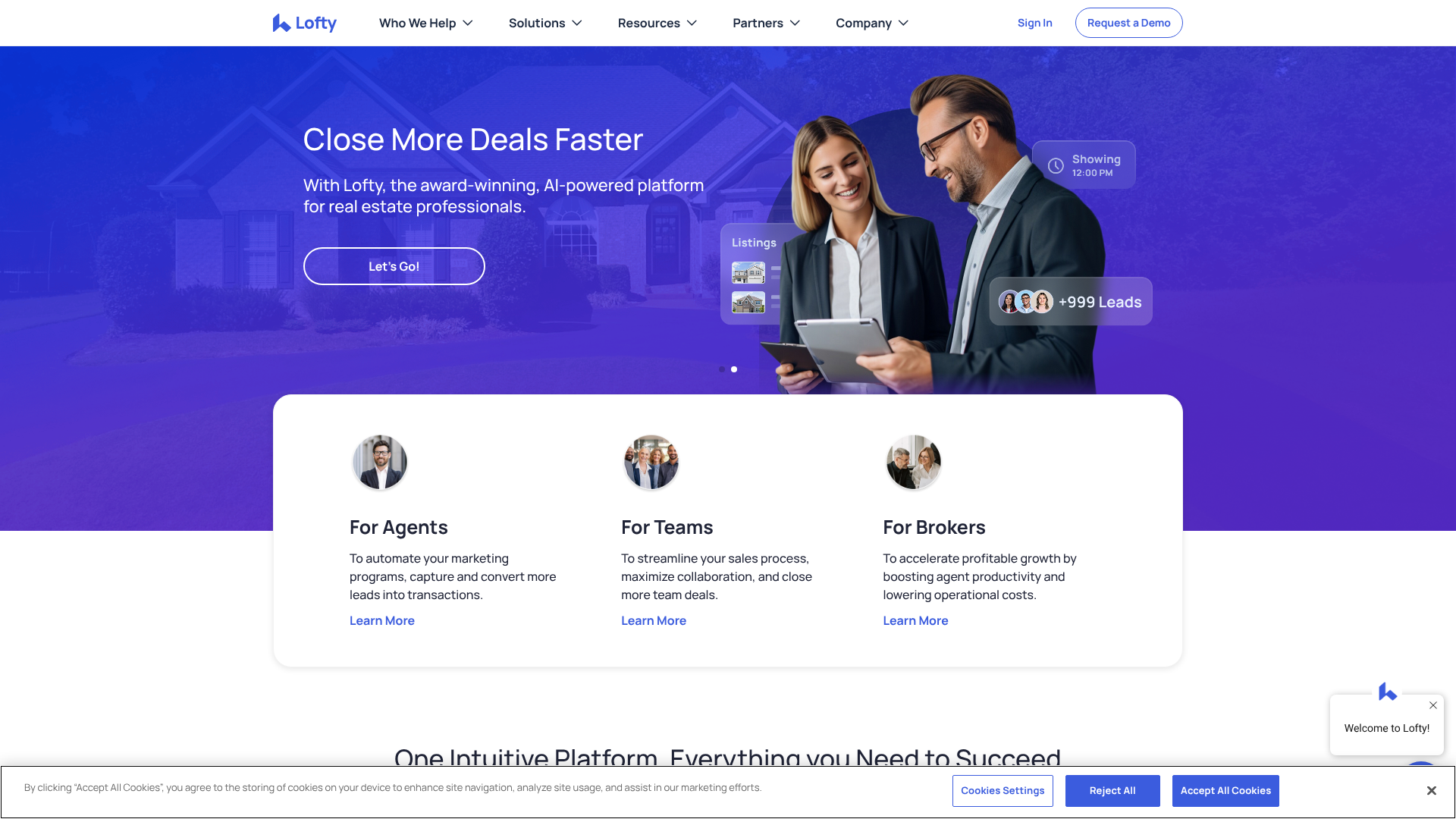
Chime is a modern, AI-powered platform that combines an IDX website, CRM, and marketing tools. Its AI assistant, Anna, can engage with new leads via text message, qualifying them and booking appointments on your behalf. This feature alone can be a massive time-saver. Chime also offers a three-line power dialer and a suite of tools for creating effective marketing campaigns.
Pros
- AI assistant helps automate initial lead qualification and follow-up.
- Sleek, modern user interface that is easy to navigate.
- Strong team management features and reporting.
Cons
- Can be pricey for solo agents.
- Some features, like the power dialer, may come at an additional cost.
CRM & Lead Nurturing
These tools specialize in managing your database and ensuring consistent, effective follow-up with your leads and sphere of influence.
4. Follow Up Boss
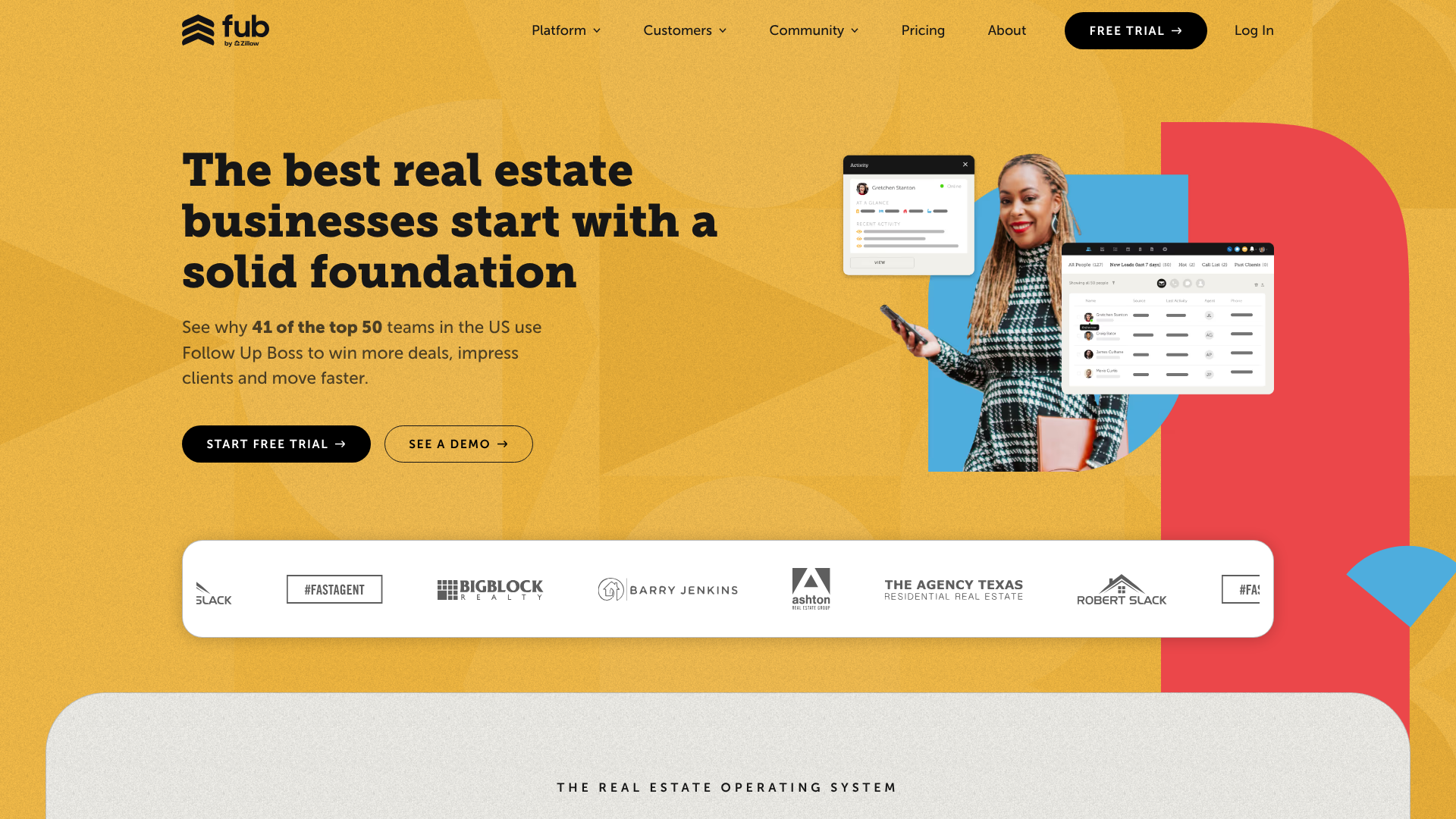
Follow Up Boss is widely regarded as one of the best CRMs for lead conversion. It's not an all-in-one platform; instead, it focuses on doing one thing exceptionally well: lead nurturing. It integrates with over 250 different lead sources, pulling all your prospects into one simple, actionable inbox. Its Action Plans and Smart Lists ensure that no lead is ever forgotten.
Pros
- Extremely user-friendly and easy to learn.
- Excellent mobile app with a built-in dialer.
- Integrates with almost every other tool a real estate agent might use.
Cons
- Does not include a website or IDX search, requiring a separate solution.
- Can become expensive as you add more users to your team.
5. LionDesk
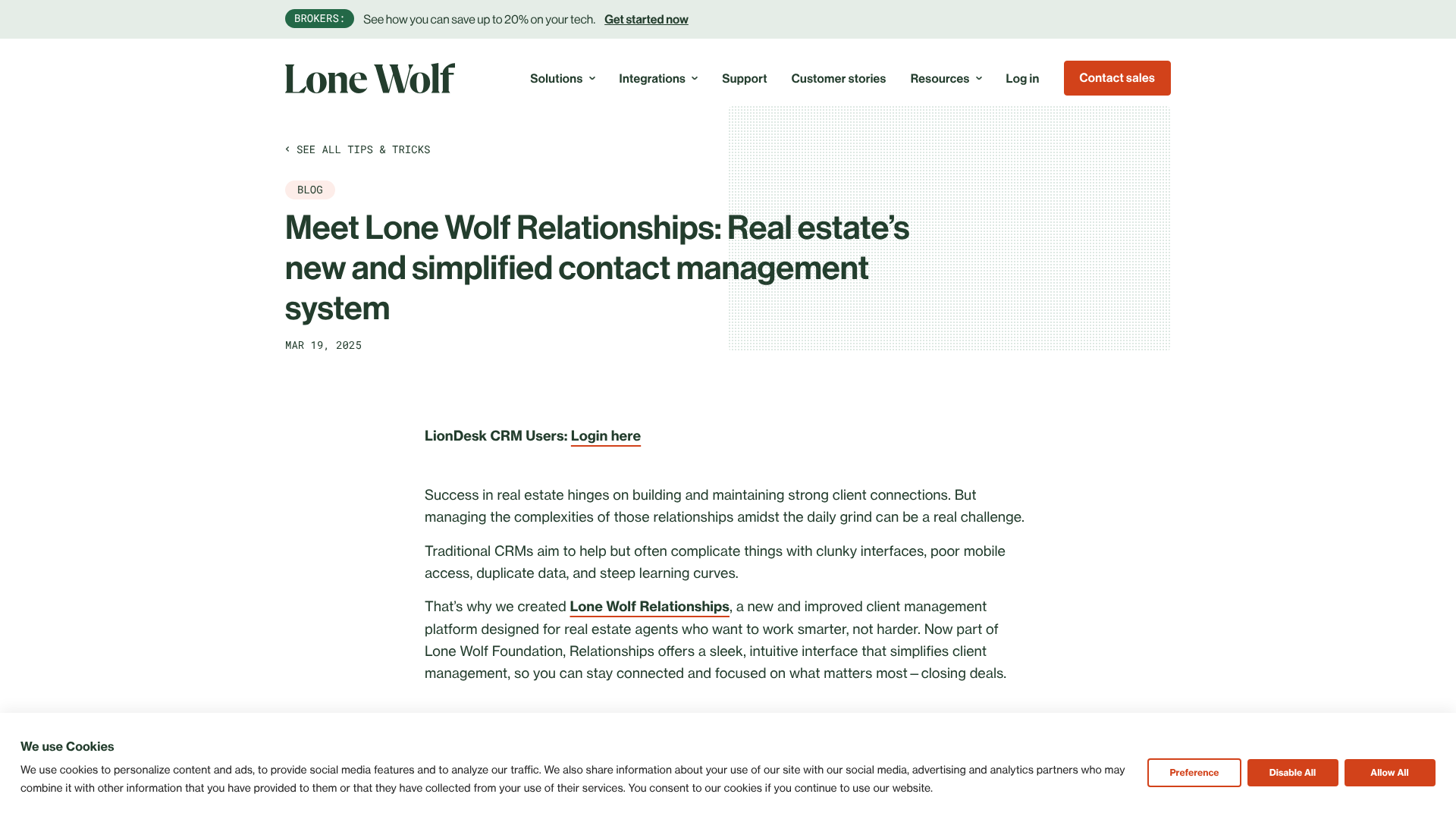
LionDesk is a popular CRM known for its affordability and robust feature set. It stands out for its emphasis on video communication, allowing you to easily send video emails and text messages directly from the platform. This is a powerful way to build personal connections with leads. It also includes a power dialer and tools for managing transactions.
Pros
- Very affordable, making it a great option for new or budget-conscious agents.
- Integrated video email and texting capabilities.
- AI-powered lead follow-up assistant (Gabby) is available as an add-on.
Cons
- The user interface can feel a bit dated compared to newer platforms.
- Some users report that the mobile app is less functional than the desktop version.
6. Wise Agent
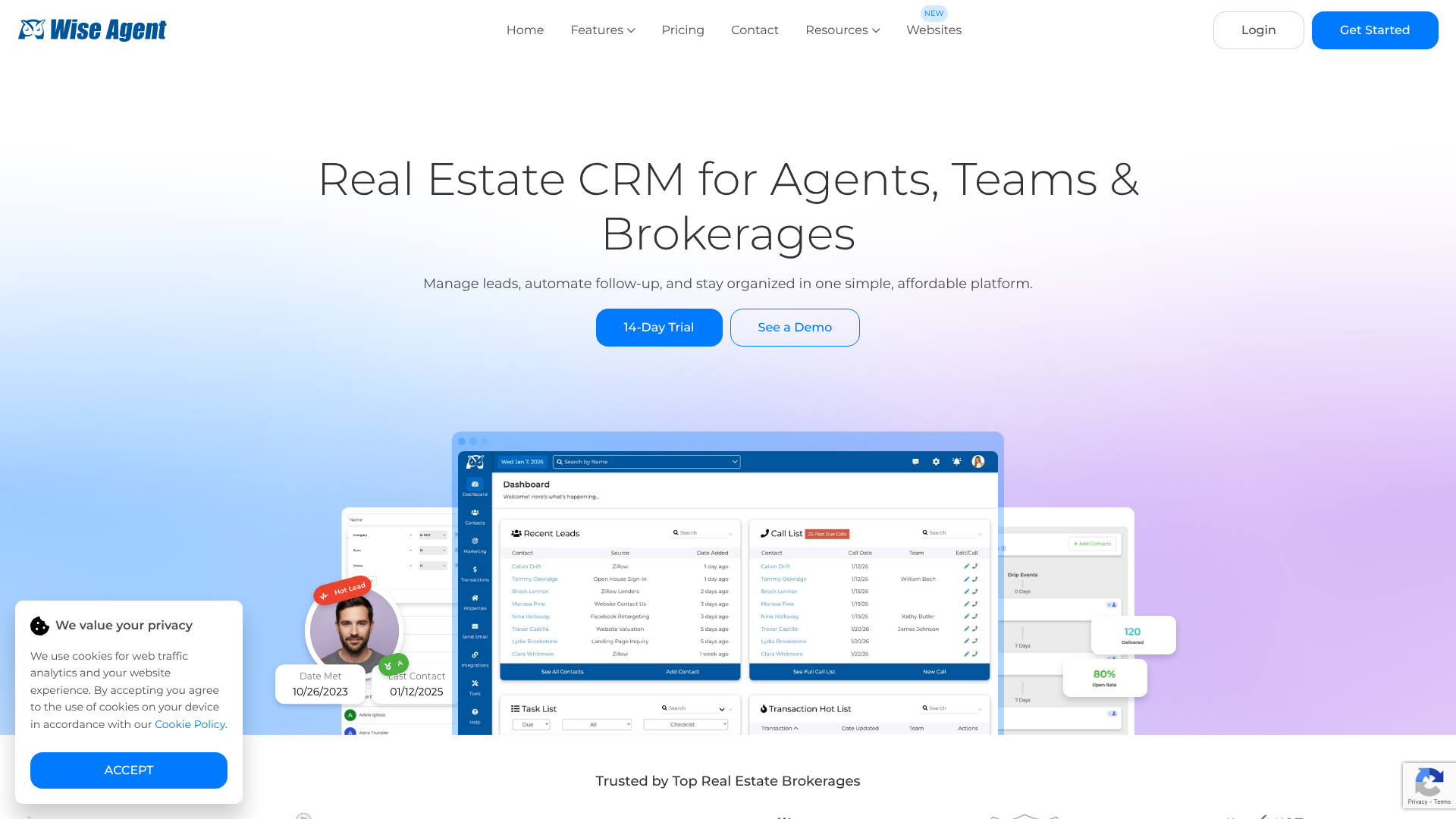
Wise Agent is another budget-friendly CRM that packs a lot of functionality into its platform. It offers contact management, lead automation, transaction management, and marketing tools all for one low monthly price. It's known for its excellent customer support and provides a landing page creator and social media integration tools.
Pros
- All-inclusive pricing is simple and affordable.
- Strong transaction management features are built-in.
- 24/7 customer support is a major plus.
Cons
- The interface is functional but lacks the modern polish of some competitors.
- Can feel less intuitive to navigate initially.
7. Top Producer
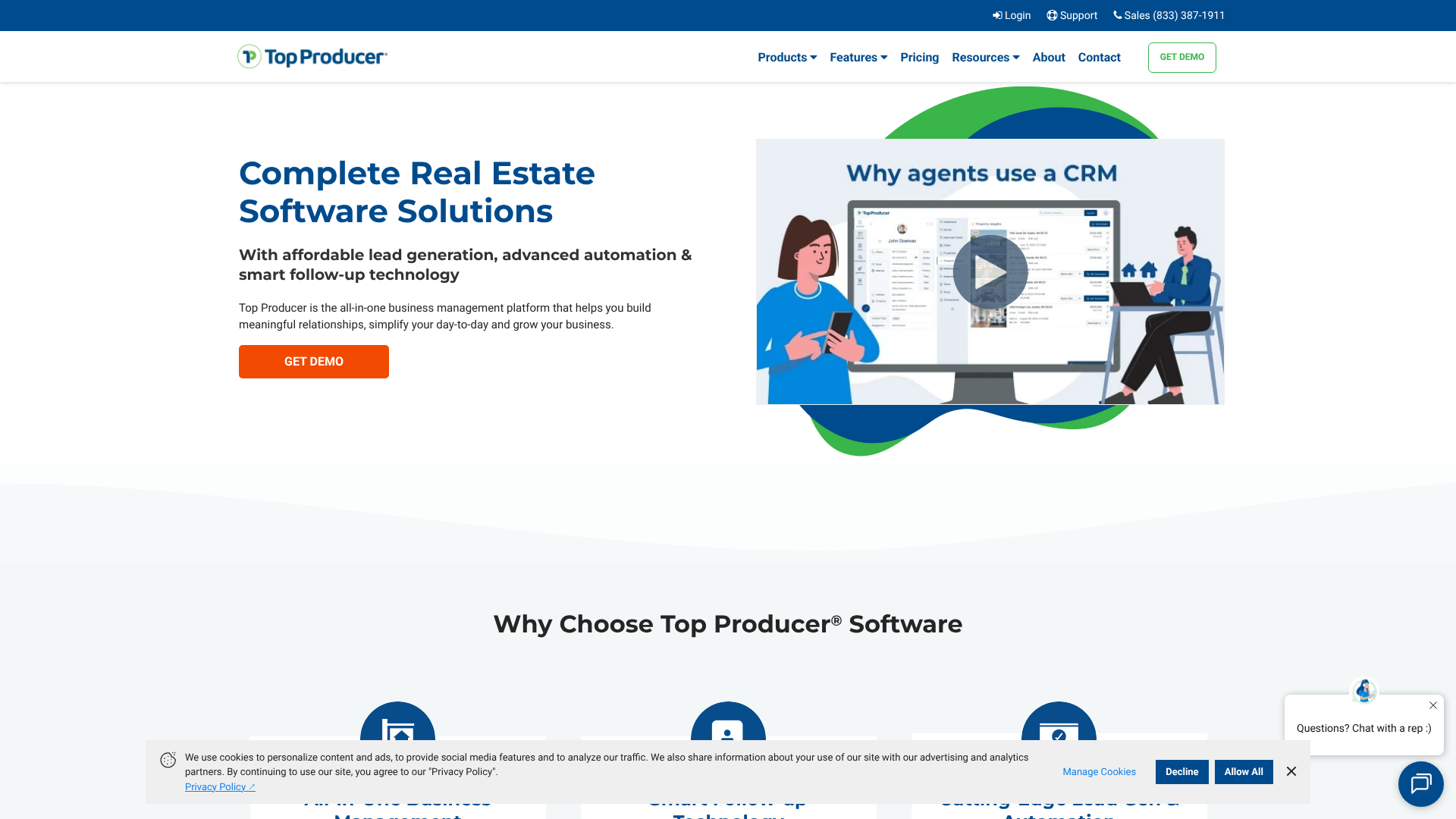
Top Producer is one of the original real estate CRMs and has been helping agents for decades. Its latest version, Top Producer X, features a modern, intuitive interface designed around an agent's daily workflow. It offers deep MLS integration for creating beautiful market reports and a feature called Follow-up Coach that helps agents stay on track with their lead nurturing.
Pros
- Long-standing reputation and deep industry experience.
- Excellent MLS integration for creating CMAs and market reports.
- Social media integration allows you to pull in contact information from public profiles.
Cons
- Can be more expensive than other CRMs like LionDesk or Wise Agent.
- Some long-time users have found the transition to the new X version challenging.
Transaction Management
These platforms are designed to streamline the process from contract to close, keeping all parties and documents organized.
8. Dotloop
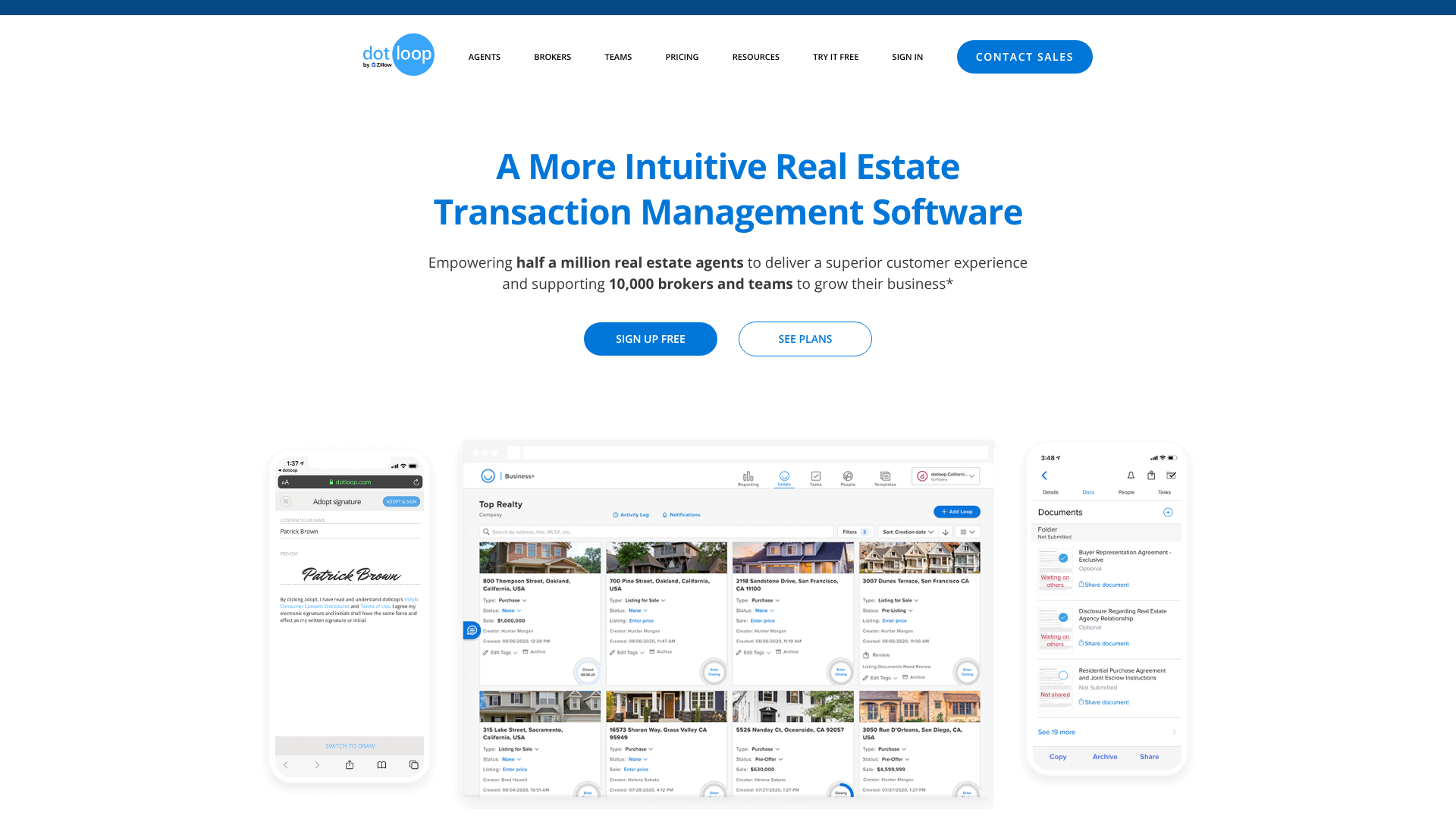
Dotloop is a leading transaction management platform that simplifies the entire closing process. It's a collaborative tool that brings agents, clients, and other parties (like lenders and title companies) into a single workspace, or "loop." It provides e-signatures, secure document storage, compliance workflows, and real-time visibility into the status of a transaction.
Pros
- All-in-one solution for document sharing, e-signatures, and compliance.
- The collaborative workspace keeps everyone on the same page.
- Mobile app is fully featured, allowing you to manage deals from anywhere.
Cons
- The free version for agents has limitations.
- Some users prefer to keep their e-signature and document storage separate.
9. DocuSign
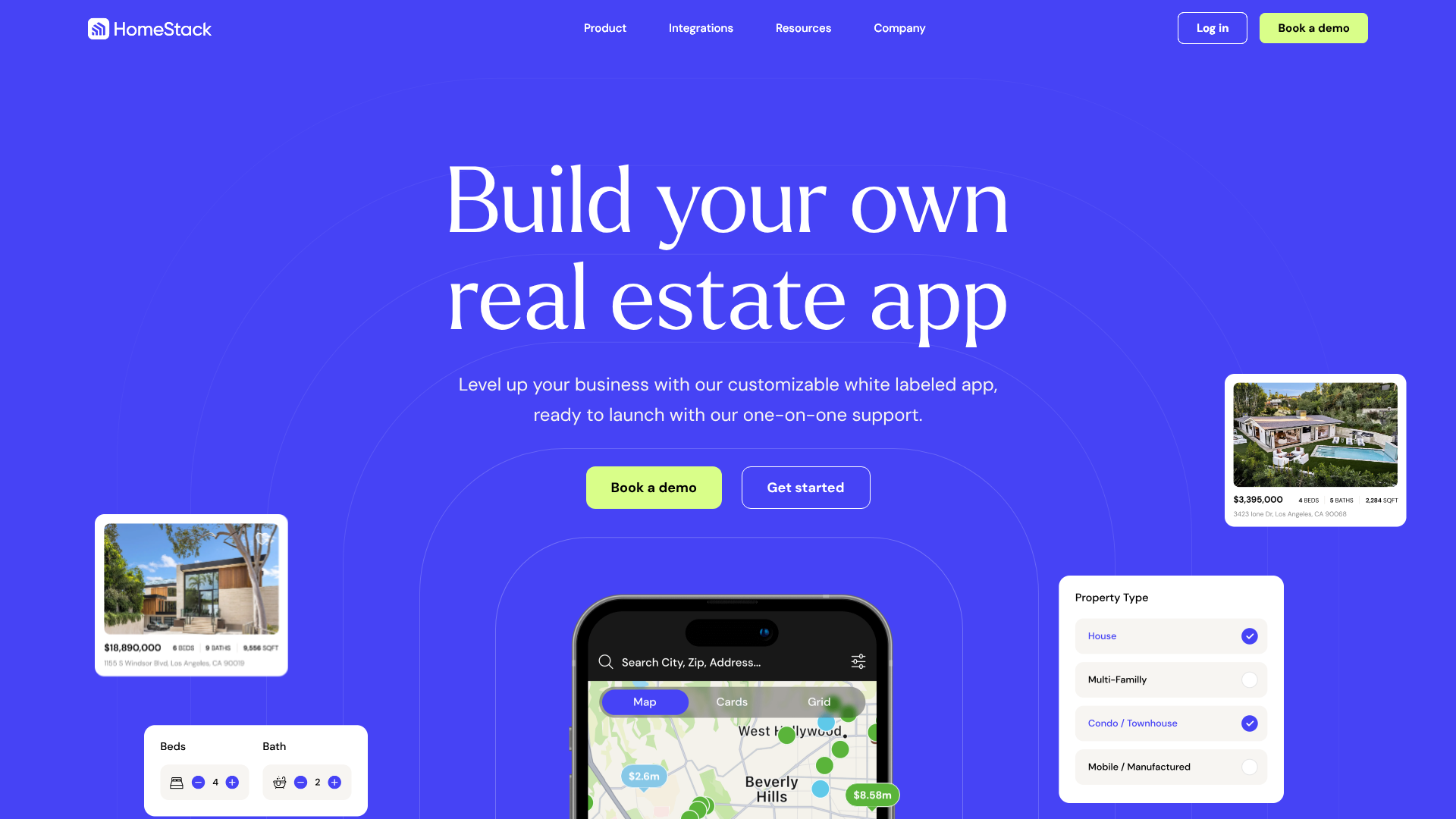
While Dotloop offers a complete transaction workspace, DocuSign is the industry standard for electronic signatures. The DocuSign for Realtors plan includes features specifically for agents, such as integration with zipForm Plus for easy access to real estate forms. It's a trusted, secure, and legally binding way to get documents signed quickly.
Pros
- Widely recognized and trusted by consumers and professionals.
- Simple, intuitive interface for both sending and signing documents.
- Strong security and compliance features.
Cons
- Primarily an e-signature tool; it lacks the full collaborative features of Dotloop.
- Can be expensive if you only need basic e-signature capabilities.
Lead Generation & Marketing
These tools are focused on the top of the funnel: attracting new prospects and creating compelling marketing materials.
10. Real Geeks
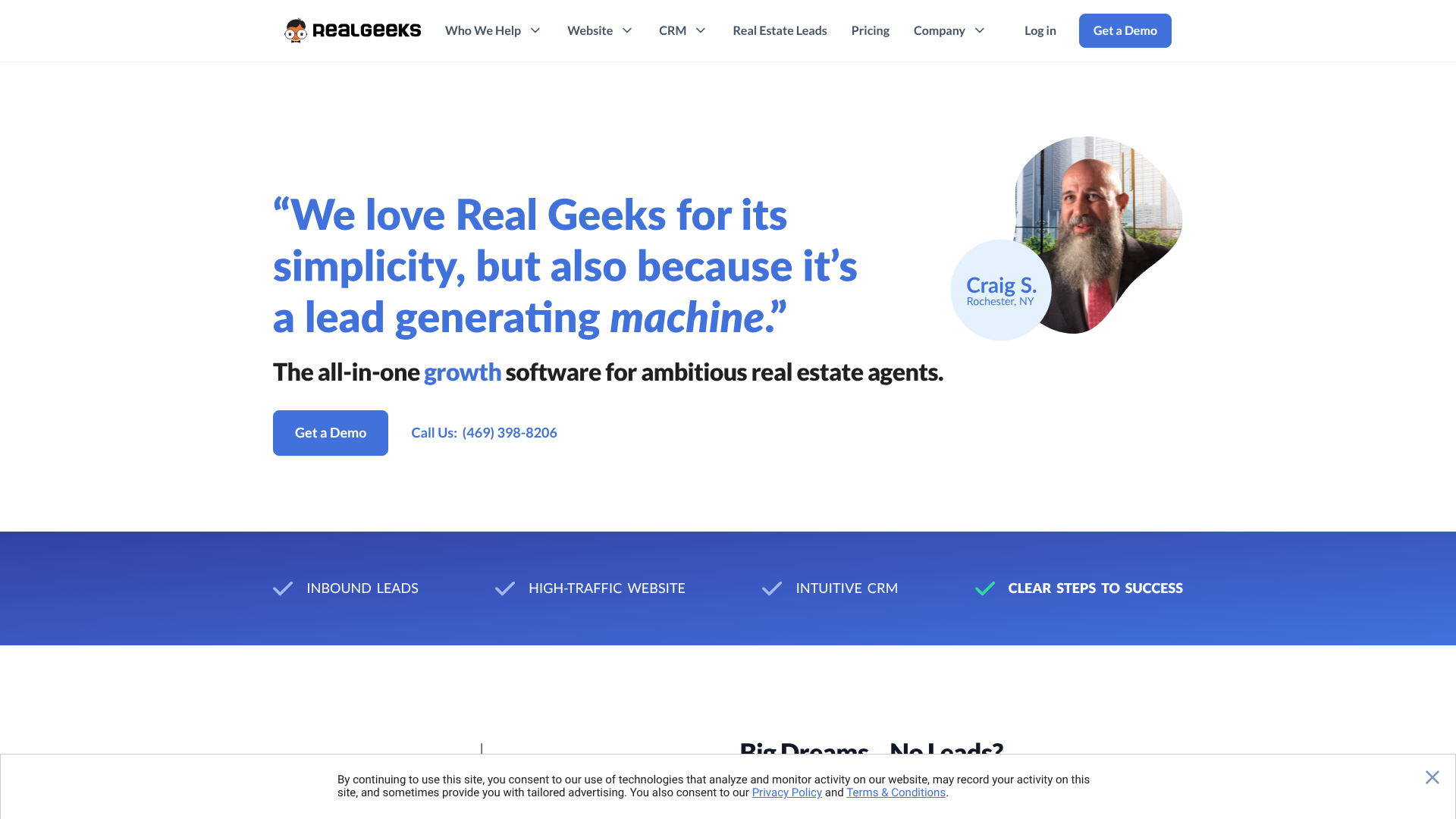
Real Geeks is an all-in-one marketing platform that provides agents with a high-converting IDX website, a CRM, and marketing tools. It's particularly well-known for its Facebook marketing tool, which makes it easy to create and manage effective ad campaigns. The platform is designed to capture and convert leads, with a strong emphasis on speed to lead.
Pros
- Websites are fast, mobile-friendly, and optimized for lead capture.
- Integrated Facebook marketing tool simplifies social media advertising.
- The CRM is straightforward and focused on lead conversion.
Cons
- The CRM is less feature-rich than a dedicated platform like Follow Up Boss.
- Requires a commitment to actively work the leads it generates.
11. Trof AI
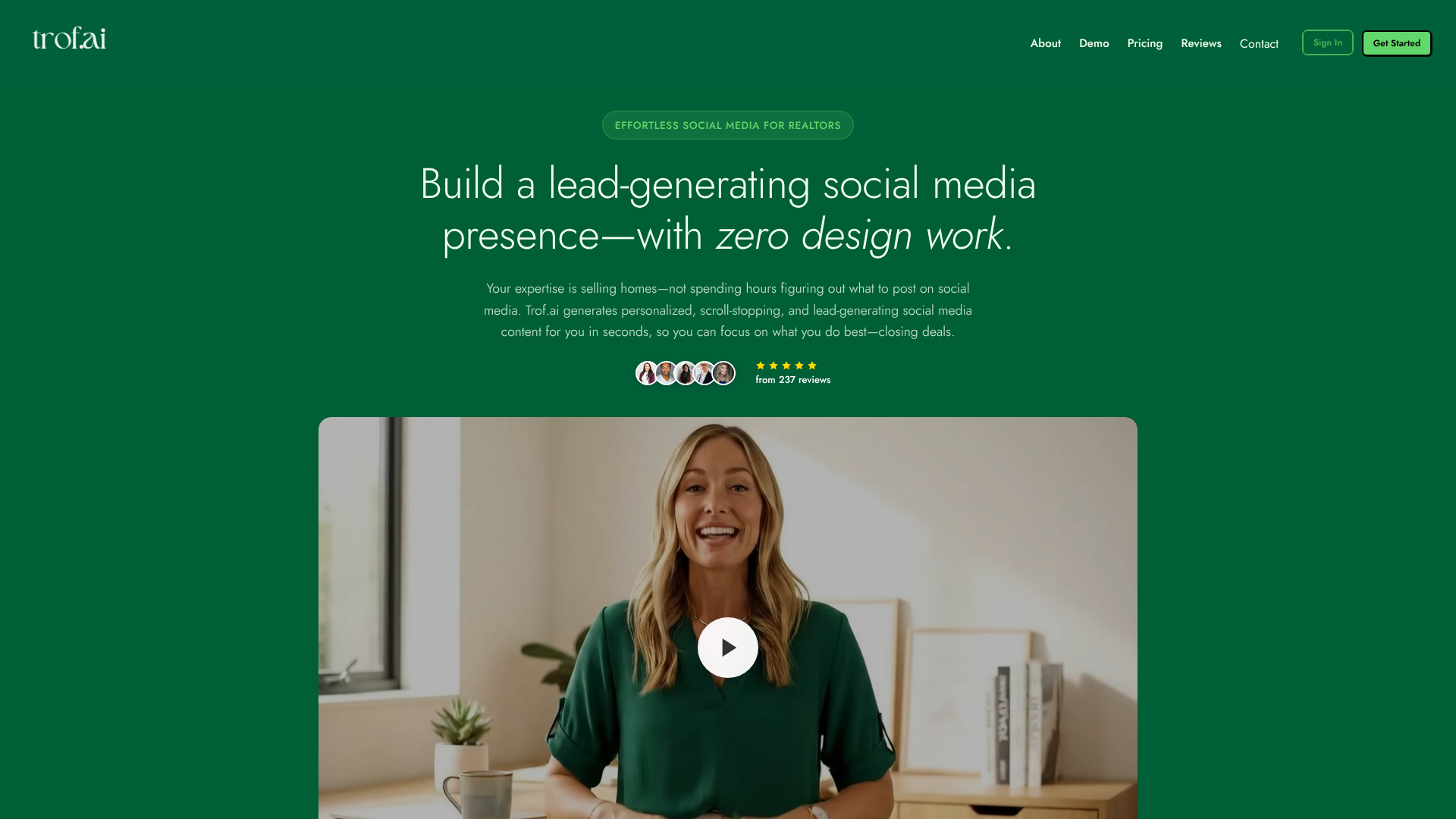
Trof AI is a newer tool that uses artificial intelligence to solve a common agent problem: writing compelling property descriptions. Instead of staring at a blank page, you can input a few key details about a property, and Trof AI will generate a well-written, engaging listing description in seconds. It can also generate social media posts and other marketing copy.
Pros
- Saves a significant amount of time on content creation.
- Helps overcome writer's block and produces high-quality copy.
- Simple to use and very affordable.
Cons
- It's a specialized tool for a single purpose, not a full marketing suite.
- The AI-generated content should always be reviewed and edited by a human.
12. Canva
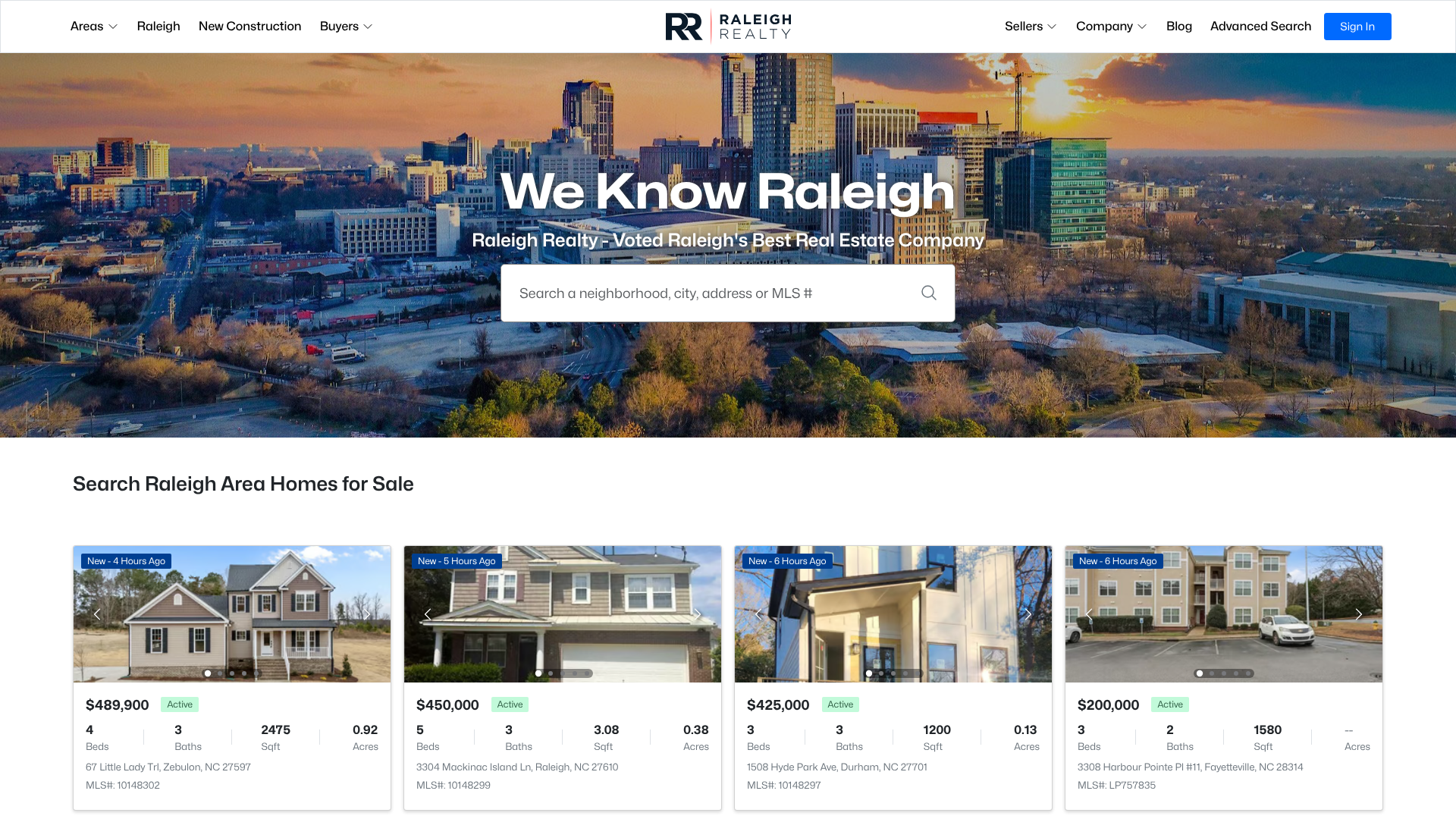
Canva is a graphic design tool that has become essential for agents who want to create professional marketing materials without hiring a designer. It offers thousands of templates for flyers, social media posts, postcards, and presentations. With its simple drag-and-drop interface, any agent can create stunning visuals in minutes.
Pros
- A free version is available with plenty of functionality.
- Incredibly easy to use, even for those with no design experience.
- Huge library of templates, stock photos, and design elements.
Cons
- The free version has some limitations on features and assets.
- It's easy to create generic-looking designs if you don't customize the templates.
Comparing the Top Agent Tools for Real Estate: A Quick Overview
To help you see how some of the top platforms stack up, here’s a side-by-side comparison of their core strengths.
| Tool | Best For | Key Feature | Pricing Model |
|---|---|---|---|
| kvCORE | Brokerages & large teams | All-in-one platform with behavioral automation | Per user, often at brokerage level |
| Follow Up Boss | Lead conversion & teams of all sizes | Centralized lead inbox & action plans | Tiered, per user |
| Dotloop | End-to-end transaction management | Collaborative workspace ("loops") | Freemium & paid plans |
| LionDesk | Budget-conscious agents & video marketing | Integrated video email and texting | Tiered, per user |
The Pros and Cons of Specialized vs. All-in-One Platforms
One of the biggest decisions you'll make when building your tech stack is whether to go with a single all-in-one platform or piece together several specialized, best-in-class tools. There are valid arguments for both approaches, and the right choice depends on your personality, technical comfort level, and business model.
Benefits of All-in-One Systems
A major advantage of platforms like kvCORE or BoomTown is simplicity. You have one login, one bill, and one support number to call when you need help. The data is inherently unified, meaning the activity on your website is automatically logged in your CRM without any complex setup. This can also be more cost-effective than subscribing to five or six different services.
Drawbacks of All-in-One Systems
The trade-off for this convenience is that the individual components may not be as powerful as standalone tools. An all-in-one platform's CRM might be good, but it may not have the deep functionality of a specialized CRM like Follow Up Boss. This is the classic "jack of all trades, master of none" scenario. You also have less flexibility; if you don't like their website builder, you're often stuck with it.
When to Choose Specialized Tools
Building a custom stack with specialized tools is a great option for agents who want the absolute best tool for each job. You can combine a powerful IDX website from one provider with a best-in-class CRM from another and the top transaction management platform. This approach gives you maximum flexibility and power but requires more effort to set up and manage. You'll need to ensure the tools integrate well to avoid creating more work for yourself.
Frequently Asked Questions (FAQ)
What tools does a real estate agent use?
A typical real estate agent uses a variety of digital tools across several categories. The core of their tech stack is a Customer Relationship Management (CRM) system to manage leads and clients. They also use transaction management software for handling contracts and paperwork, marketing automation platforms for email and social media, an IDX-enabled website for property searches, and design tools like Canva for creating marketing materials.
What is the 3-3-3 rule in real estate?
The 3-3-3 rule is a daily prospecting guideline to help agents consistently generate new business. It stands for making contact with: 3 new people you haven't spoken to before, 3 people from your existing database for a follow-up, and 3 people from your sphere of influence (past clients, friends, family). It's a simple, memorable framework for building the daily habits required for long-term success in a relationship-based business.

What are the 7 P's of real estate marketing?
The 7 P's are a classic marketing framework applied to the real estate industry. They are: Product (the property itself), Price (the listing price strategy), Place (the location and neighborhood), Promotion (how you market the property), People (the agent and their service), Process (the client experience from start to finish), and Physical Evidence (your branding, office, and marketing materials). Thinking through all seven elements helps create a comprehensive marketing strategy for a listing.
Final Thoughts: Building Your Perfect Tech Stack
There is no single magic bullet or one-size-fits-all solution when it comes to real estate technology. The most successful agents are those who thoughtfully select tools that align with their specific goals, budget, and workflow. The goal isn't to have the most tools; it's to have the right tools working together to make your business more efficient, scalable, and profitable.
Start by identifying your biggest bottleneck and find a tool that solves it. For many agents, that starting point is a reliable CRM to organize their contacts and streamline follow-up. From there, you can layer in other solutions for transaction management and marketing as your business grows and your needs evolve.
If you're focused on mastering lead conversion and building a system for follow-up, a specialized CRM like Follow Up Boss is an excellent choice. For those seeking a comprehensive, out-of-the-box solution, exploring an all-in-one platform like kvCORE or Chime could be the right move. Use the information in this guide to make an informed decision and build a tech stack that empowers you to achieve your goals in 2026 and beyond.